
Poured once, done right
Torrance driveways, patios, foundations and repair work. Licensed 1137822, fourth generation, and straight about what a job actually needs.
Talk to us about the job
What concrete is up against around Torrance
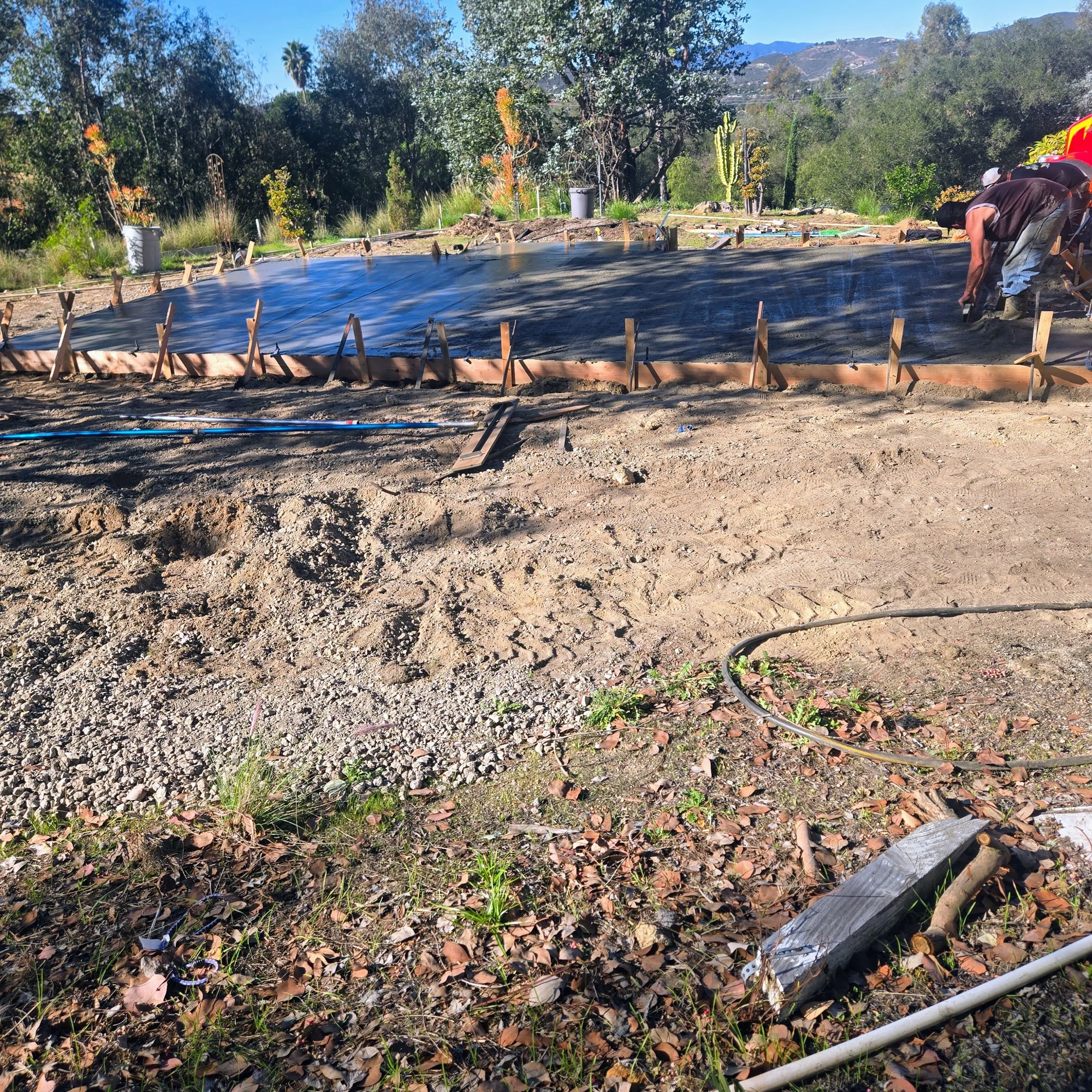
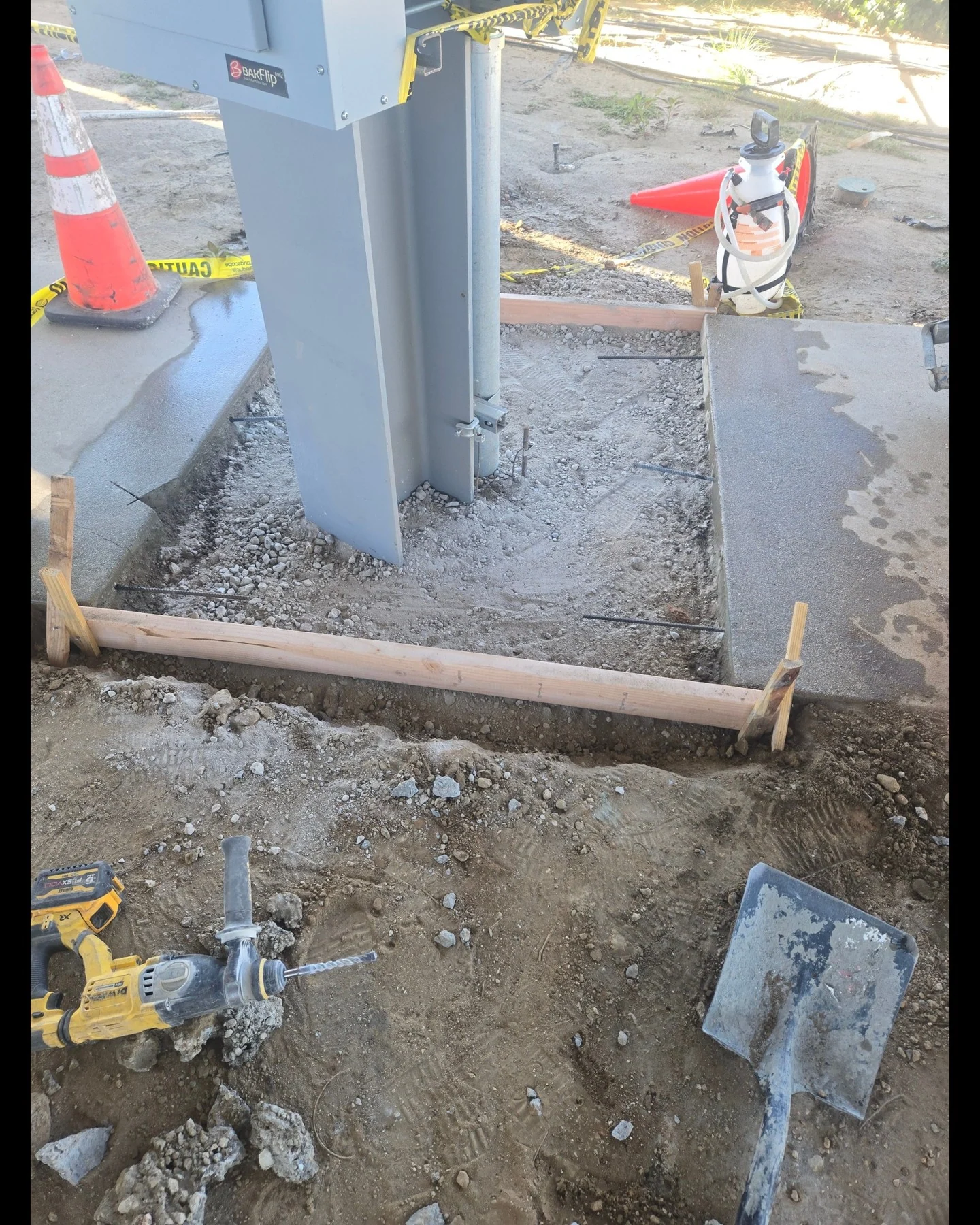
Humidity during finishing
Higher humidity slows evaporation, which sounds helpful and changes the timing of every finishing step. Bleed water sits longer and floating too early seals it in.
Mild temperatures, different problem
The coast does not give you the heat or the freezing that inland concrete fights. What it gives you is constant moisture and salt, which is a slower and more corrosive problem.
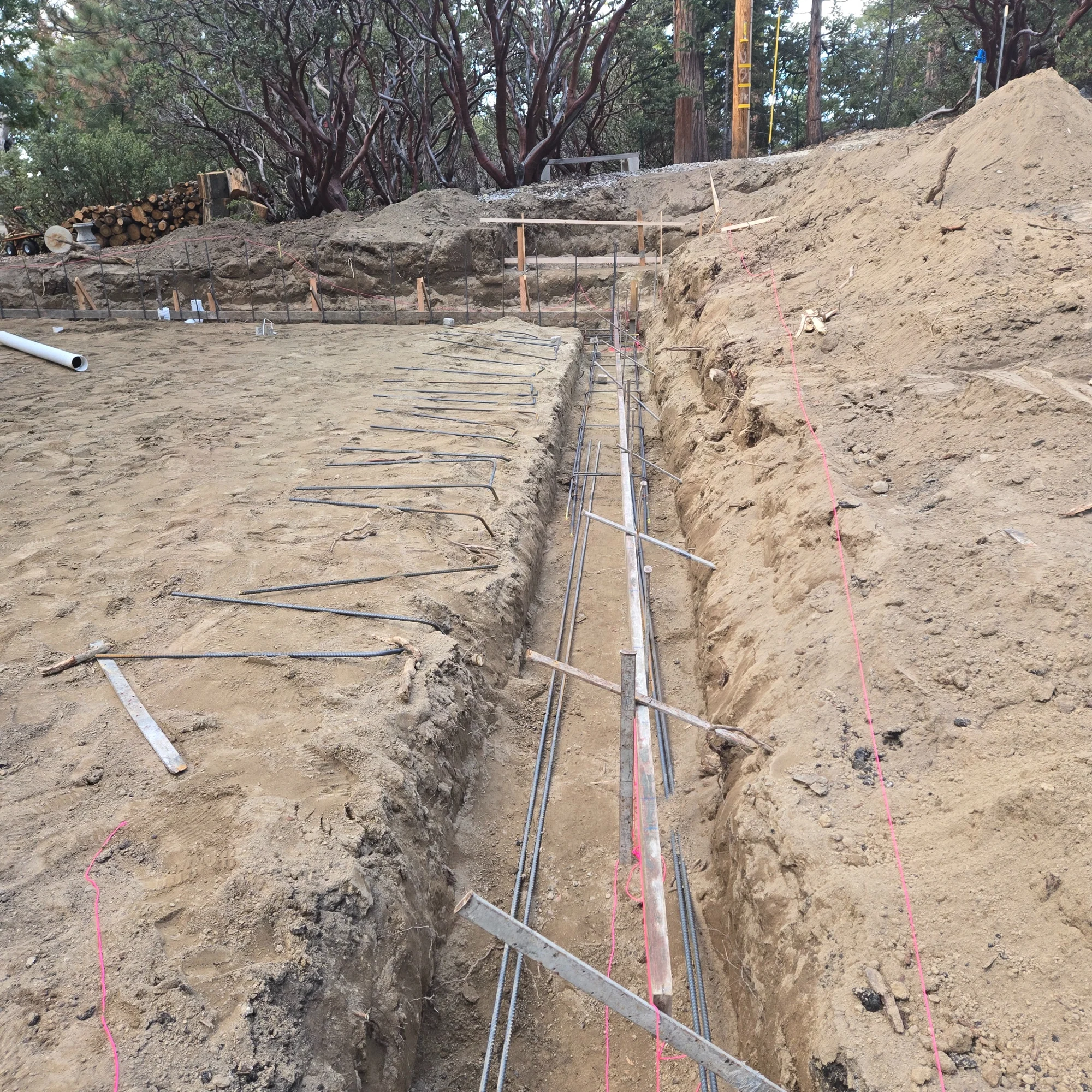
Drainage on a flat lot
Flat coastal lots make slope hard to find. Low points, channels and a planned drainage path have to be designed in, because gravity is not going to volunteer.
Curing treated as a step
Fresh concrete gets protected from dry wind and sun until it has what it needs. Skipping that is how you get a dusty, weak top layer.
One crew start to finish
The same people who form it pour it and finish it. There is no handoff where the details get lost.
Cleanup is part of the job
Washout handled properly, spoil hauled, surfaces cleaned. Concrete work is messy while it happens and should be invisible when it is done.
What we build in Torrance
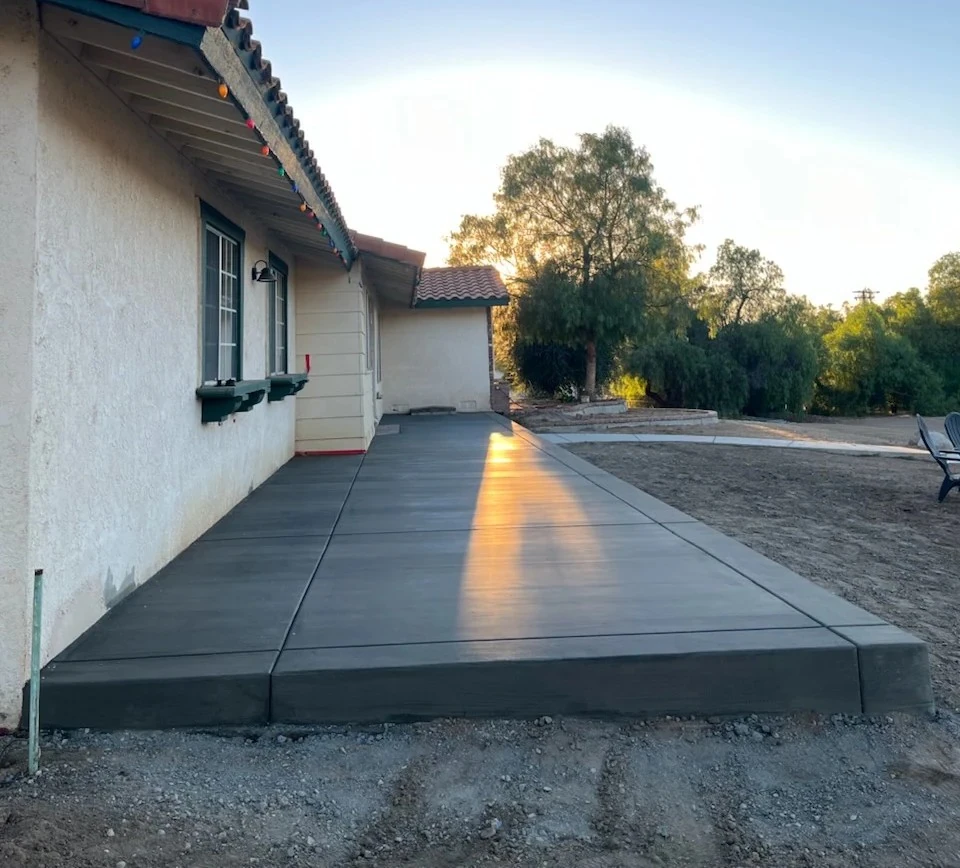
Concrete Driveway Repair
Fix what is broken and leave what is sound.
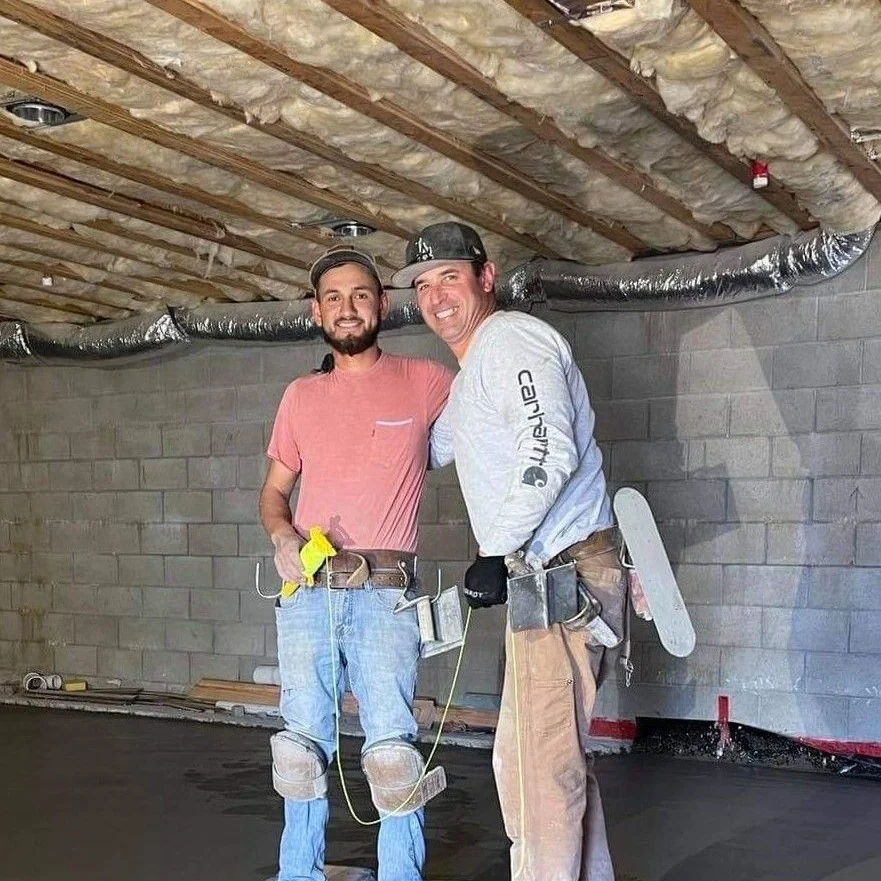
Concrete Patios
The outdoor room that starts as a flat pour.
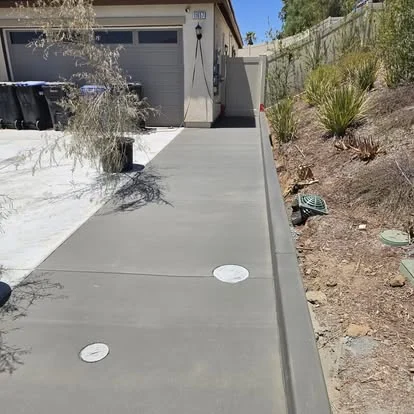
Concrete Patio Replacement
Take out the old slab, pour the one you actually wanted.
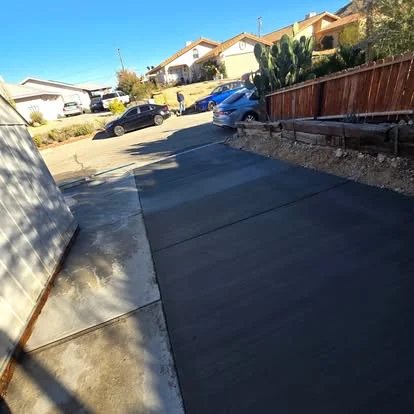
Concrete Patio Repair
Cracks, settled corners, and surfaces that have gone rough.
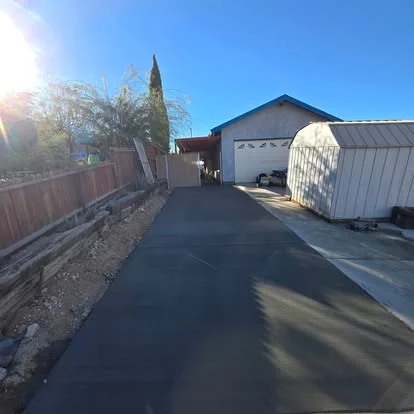
Concrete Walkways
Getting from the street to the door without a trip hazard.
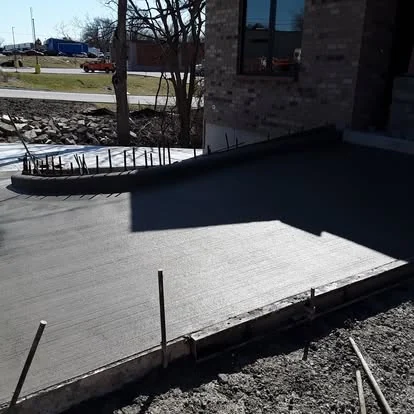
Concrete Sidewalks
Public-facing flatwork built to the spec the city will inspect.
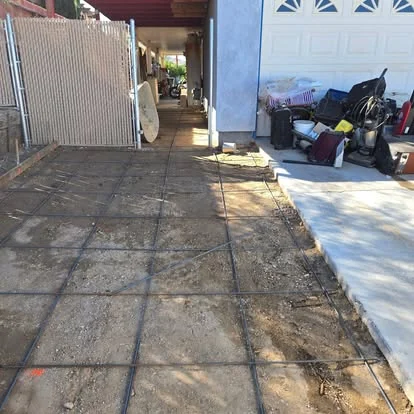
Concrete Repair
Fix the concrete that is worth fixing.
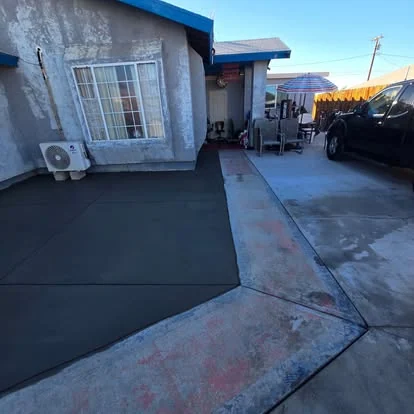
Concrete Crack Repair
Some cracks are cosmetic. Some are a message.
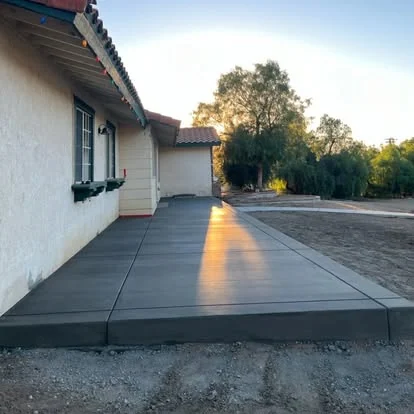
Spalled Concrete Repair
Surface flaking down to the aggregate.
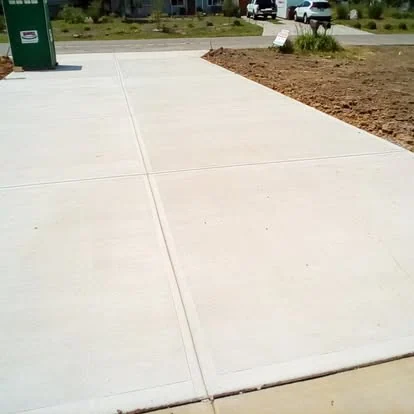
Concrete Curbs
Extruded or formed, straight and true.
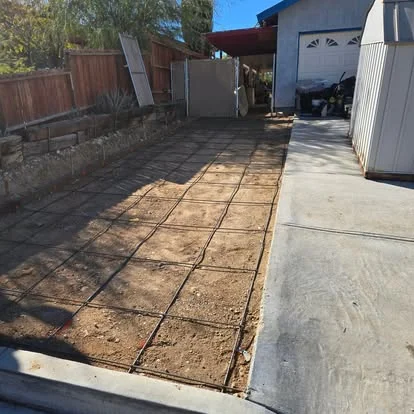
Concrete Gutters
Moving water where the grade will not.
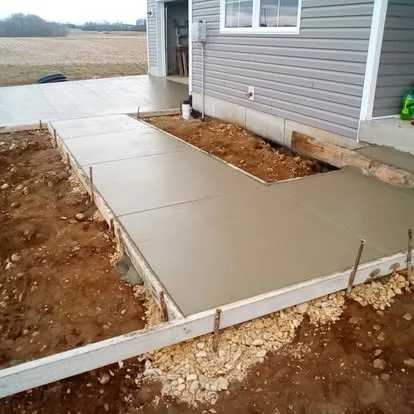
ADA Concrete Ramps
Built to the slope the tape measure will confirm.
Pouring concrete around Torrance
Sealing on the coast
Sealing here is about keeping chloride out of the pores rather than stopping water freezing in them. Different reason, same maintenance, and skipping it costs you the reinforcement eventually.
A milder climate with a slower problem
The coast does not deliver the inland heat or the mountain freezing. What it delivers is constant moisture and salt, which is a slower and more corrosive problem, and it shows up as edge spalling and rust staining on older slabs.
Humidity changes the finishing
Higher humidity slows evaporation, which sounds helpful and actually changes the timing of every finishing step. Bleed water sits on the surface longer, and floating too early seals it in and weakens the top layer.
Pool decks near the ocean
A coastal pool deck takes salt from the air as well as chlorine from the water, plus bare feet. Slip resistance and a surface that holds up under both is the specification, not an upgrade.
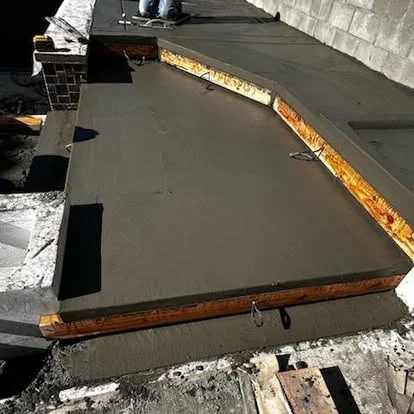
Concrete work around Torrance
Flatwork, foundations and repair across Torrance and the rest of Los Angeles County, poured by the same crew that answers the phone.
How concrete fails, and why
Cracking that follows no joint
When a slab cracks in a line nobody cut, it is almost always telling you about restraint or about the ground. A slab poured tight against a footing cannot shrink, so it tears instead. A slab over a soft spot bends until it breaks. Neither is a concrete defect.
Spalling and surface loss
Flaking down to the aggregate is the top layer letting go. The usual causes are water working in and out, chloride from de-icing or fertiliser, and a surface that got sealed too early during finishing so bleed water was trapped under it.
Panels at different heights
A lip at a joint means one side moved. Sometimes that is a root, sometimes erosion under the slab, sometimes a void left by poor compaction. Grinding the lip removes the trip hazard and does nothing about the cause.
Standing water
Water that sits is a grading problem that got set in concrete. It accelerates every other failure mode, because water is what carries chloride in and what freezes in the pores.
How a job runs
Preparation you may need to do
Moving vehicles, clearing the area, and sometimes irrigation being shut off. We will tell you in advance what is on you.
Demolition day
Saw cutting, breaking, loading and hauling. It is the loudest and dirtiest part and it usually happens first.
Concrete cracks. The job is deciding where.On the material
Pour day
Early start in summer. The crew works continuously until the slab is placed and finished, because concrete sets on its own schedule.
Keeping off it
How long depends on the pour and the weather. You will get a real number, not a generic one.
Around Torrance
Straight answers
Is the mild weather here easier on concrete?
Easier than inland heat or mountain freezing, yes. What you get instead is constant moisture and salt, which is slower and more corrosive.
What about sandy soil near the water?
It drains beautifully and it can be undermined by moving water. Compaction and understanding where water travels matter more here than clay-style treatment.
My pool deck gets slippery. Can that be fixed?
Yes, with the right texture. A coastal pool deck takes salt from the air and chlorine from the water plus bare feet, so slip resistance is the specification rather than an upgrade.
Should I seal coastal concrete?
Yes, and the reason is chloride rather than freezing. Different mechanism, same maintenance, and skipping it eventually costs you the reinforcement.
Does humidity change the pour?
It changes the timing of every finishing step. Bleed water sits longer, and floating too early seals it in and weakens the top layer.
Ready to talk about it?
Call the shop. We cover Torrance and the rest of the county from Hemet, and we will come out and read the job before quoting.