
Built for Quartz Hill ground
The soil and the weather here decide how a slab is built. Driveways, patios, slabs and foundations across Quartz Hill, licensed 1137822.
Talk to us about the job

What concrete is up against around Quartz Hill
Sealing actually matters here
Where freeze cycling is real, keeping water out of the pores is the difference between a slab that lasts and one that spalls. Sealing is maintenance that pays for itself at this elevation.
Freeze and thaw is real up here
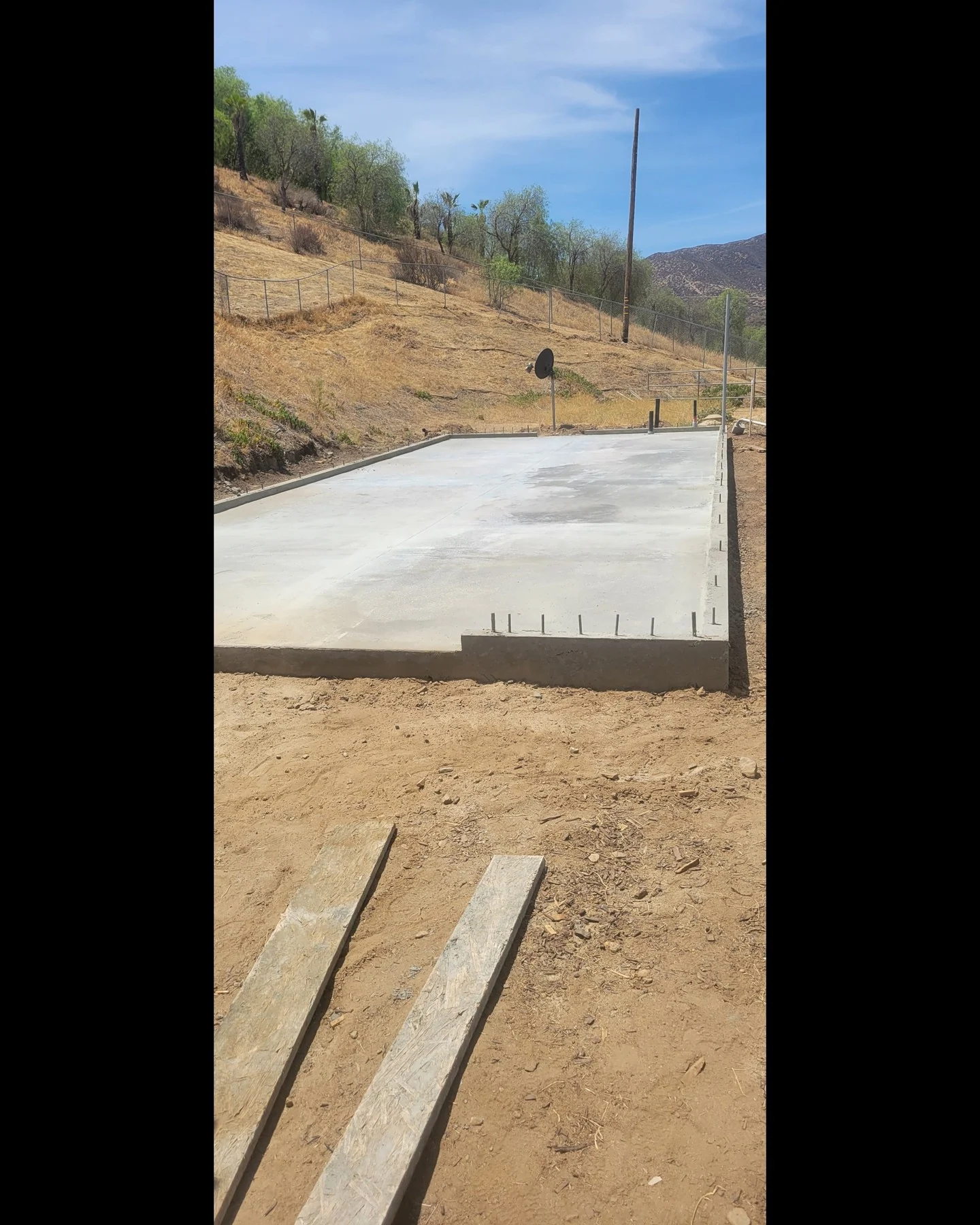
The high desert genuinely freezes. Water gets into bare concrete, freezes, expands, and works the slab apart from the inside. That is why an unsealed high desert driveway pits and spalls in a way a valley slab does not.
Access and haul distance
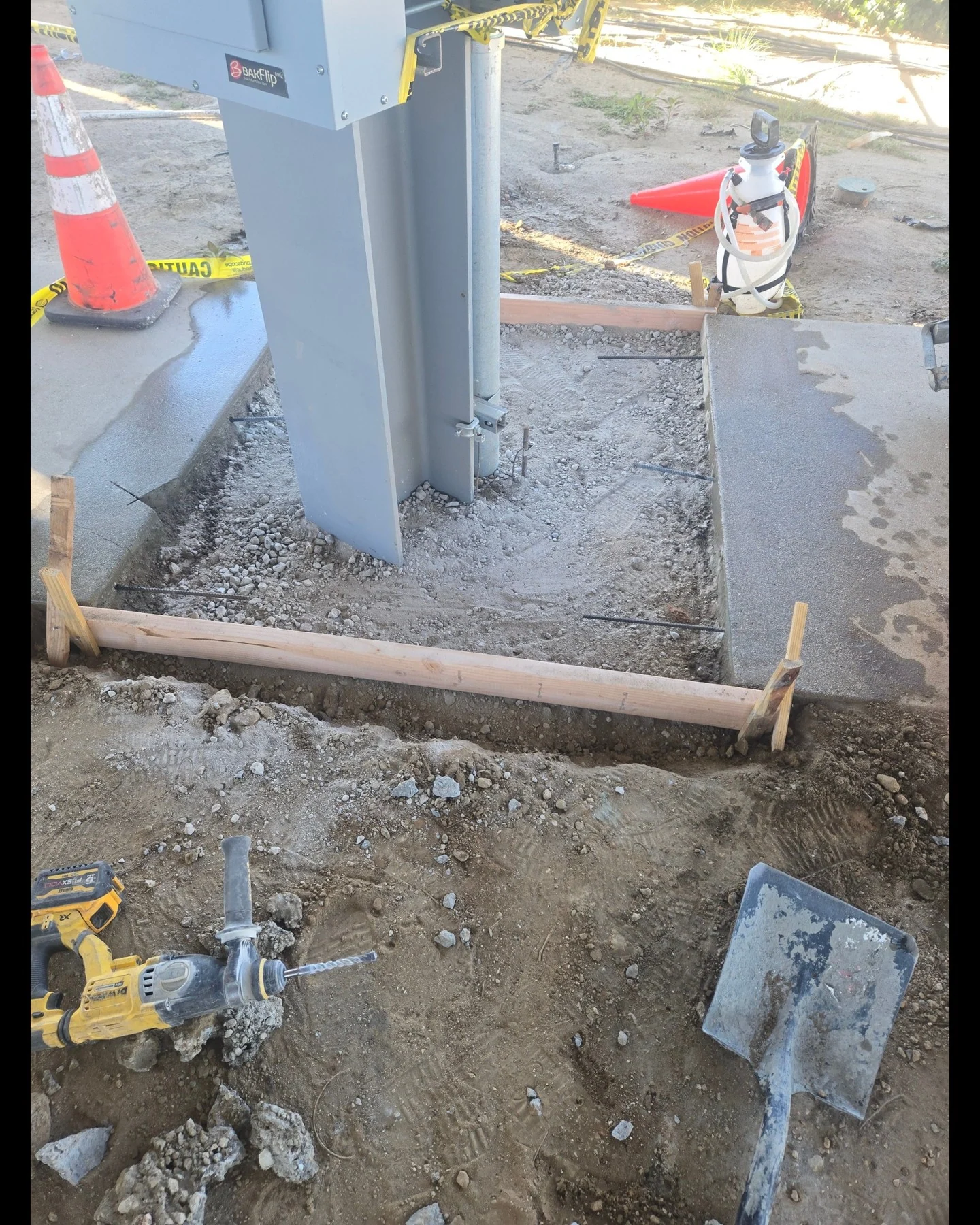
Some of these properties are a long way from a plant. That affects the delivery window and how the pour is staged, and it is worth planning honestly instead of discovering it with a truck on site.
Pours scheduled to the heat
In summer we start early and keep the mix and the crew ahead of the temperature. Concrete does not wait for anybody.
Steel sized to the movement
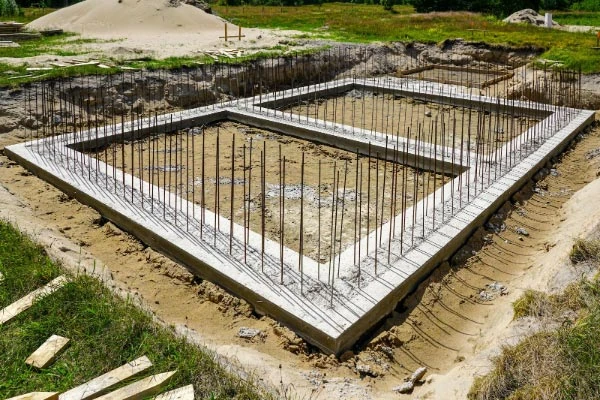
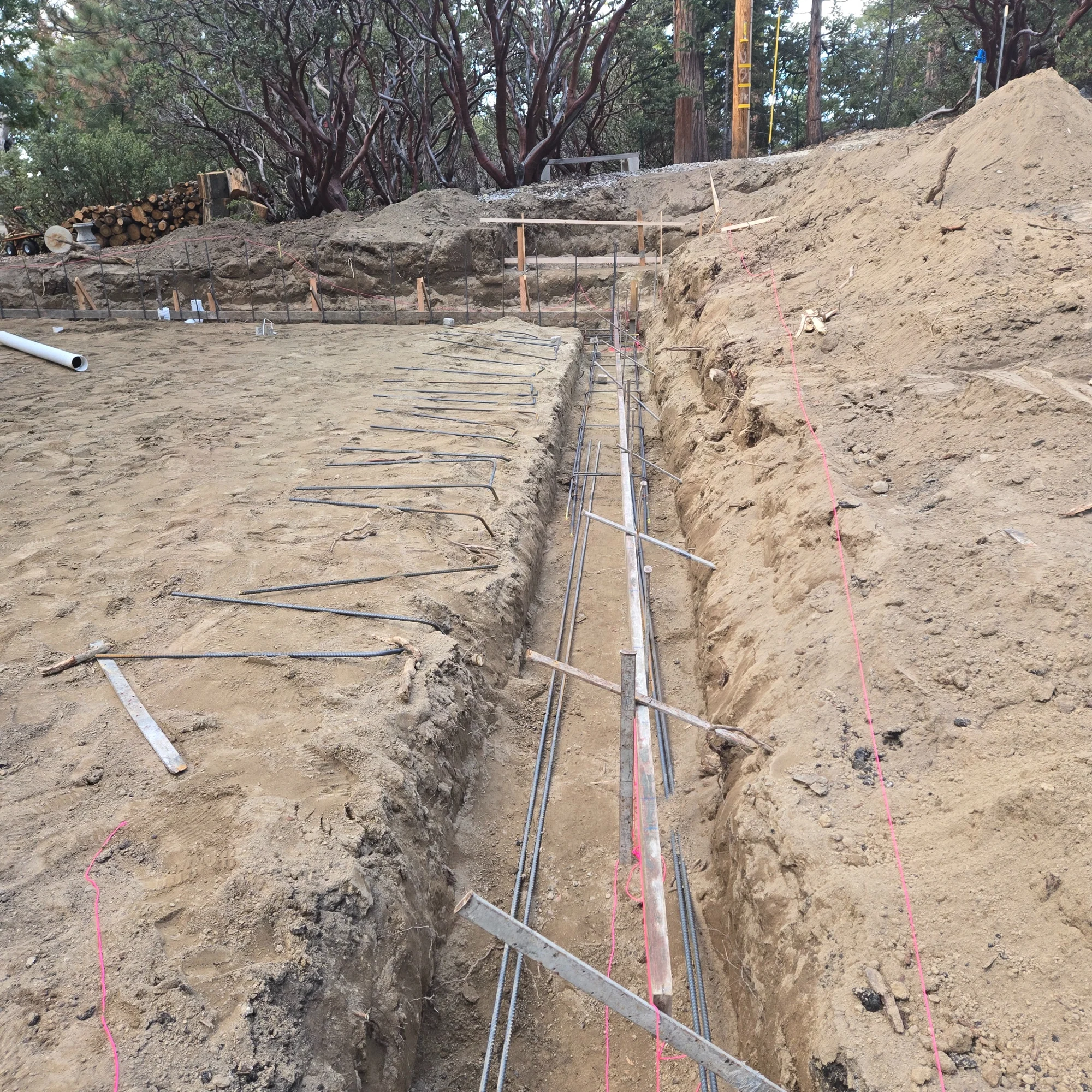
Reinforcement gets placed for what the soil is going to do, on chairs at the right height with real cover. Steel lying on the dirt does nothing at all.
Joints planned on paper
Joint layout gets worked out before the pour, spaced to the thickness and placed where the slab wants to move anyway. Then it gets cut at the right time.
What we build in Quartz Hill
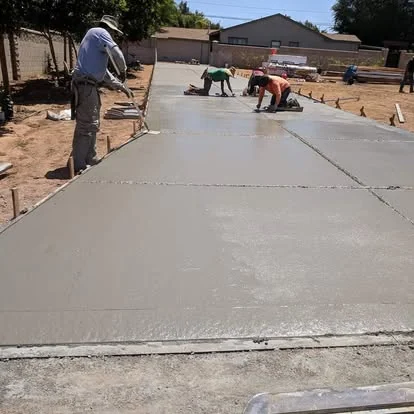
Parking Pads
Extra parking that is not the driveway.

Concrete Pool Decks
Wet feet, chemicals, and sun all year.
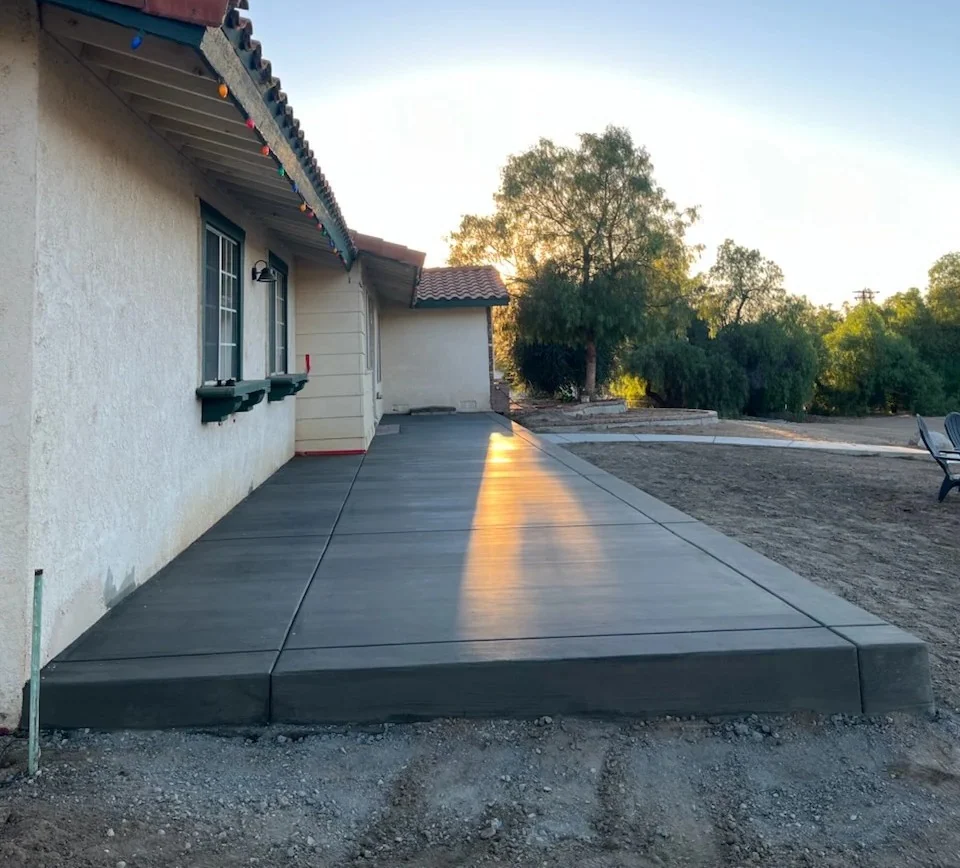
Concrete Pads
A pad sized to the thing that is going on it.
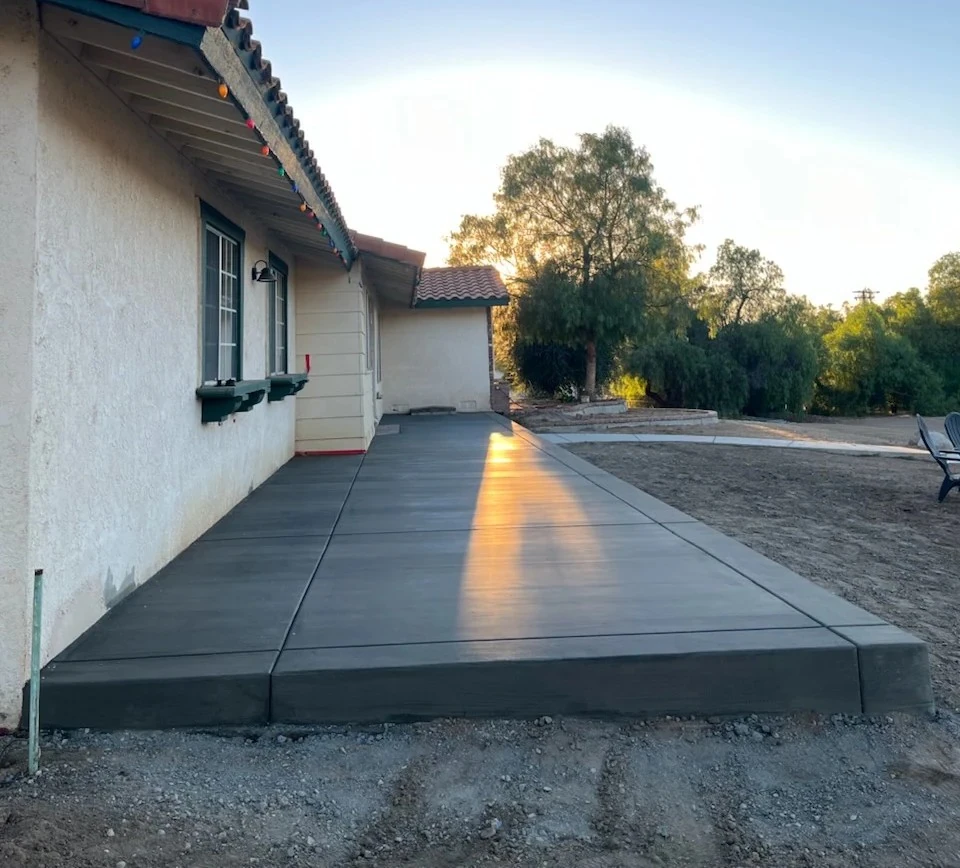
Residential Concrete Flatwork
All the flat concrete around a house, done by one crew.
Backyard Concrete
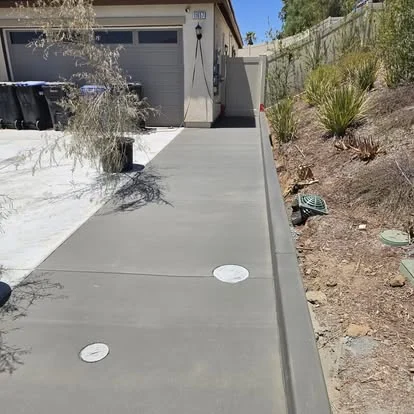
The whole back of the property, planned as one pour.
Outdoor Living Concrete
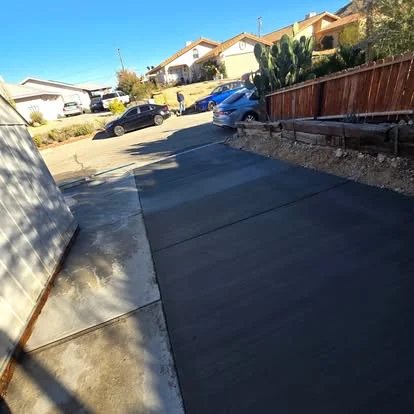
Kitchens, fire features, and seating built on concrete.
Spalled Concrete Repair
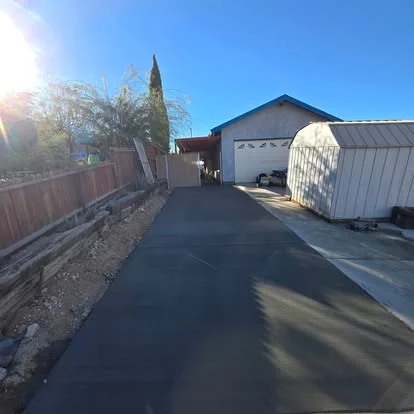
Surface flaking down to the aggregate.
Settled Concrete Repair
The slab dropped because something under it did.
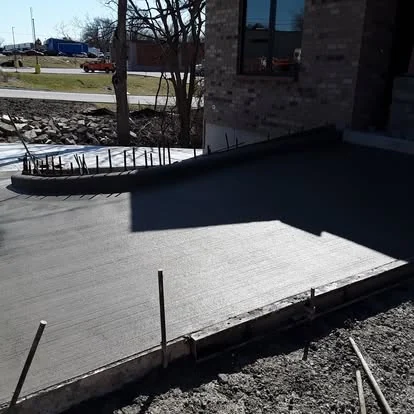
Uneven Concrete Repair
Lips, trip hazards, and panels out of plane.
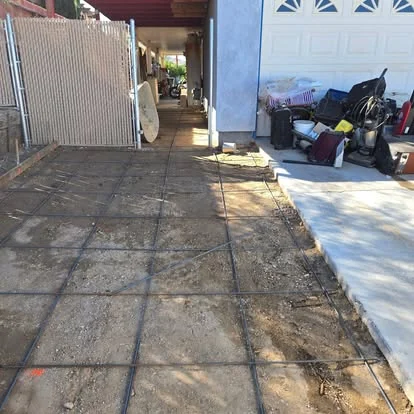
Utility Pads
Pads for meters, generators, and mechanical gear.
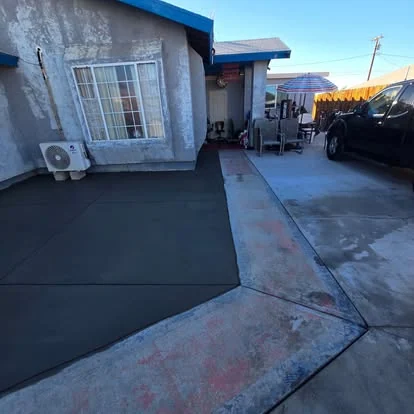
Bollard Foundations
The concrete that stops a vehicle.
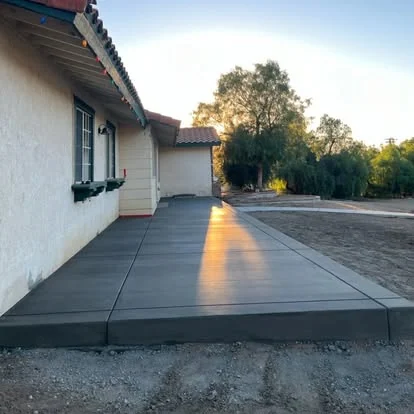
Concrete Trash Enclosures
Walls, slab, and apron as one detail.
Pouring concrete around Quartz Hill
Long runs on big lots
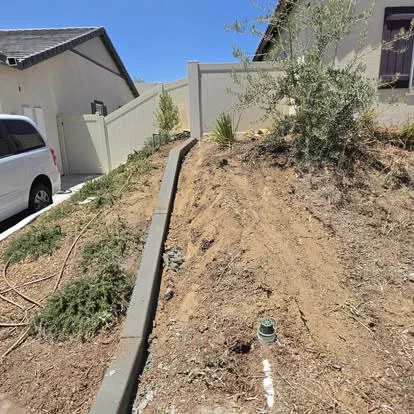
High desert properties are often large, which means long driveways and big slabs. Length multiplies movement, so joint spacing and layout matter more here than on a small urban pad, and a long drive poured without a joint plan will crack wherever it likes.
Freeze and thaw is real at this elevation
The high desert genuinely freezes, and that changes the concrete conversation completely. Water gets into the pores, freezes, expands and works the surface apart from inside. Over a decade that is the difference between a sound slab and a pitted, spalling one. Air entrainment and sealing both matter here in a way they do not down in the valley.
Wind and the finishing window
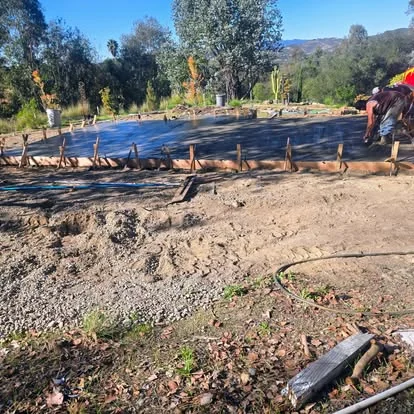
Sustained wind combined with very low humidity pulls water out of fresh concrete fast enough to close the finishing window early and craze the surface. Pours get planned around the forecast, not just the calendar.
Triple digits and hard freezes in one year
High desert concrete takes both extremes within twelve months, so it has to be built for both. That means the right mix, joints that allow real movement, and a sealing plan that gets followed rather than mentioned once.
Concrete work around Quartz Hill
Flatwork, foundations and repair across Quartz Hill and the rest of Los Angeles County, poured by the same crew that answers the phone.
How concrete fails, and why
Cracking that follows no joint
When a slab cracks in a line nobody cut, it is almost always telling you about restraint or about the ground. A slab poured tight against a footing cannot shrink, so it tears instead. A slab over a soft spot bends until it breaks. Neither is a concrete defect.
Spalling and surface loss
Flaking down to the aggregate is the top layer letting go. The usual causes are water working in and out, chloride from de-icing or fertiliser, and a surface that got sealed too early during finishing so bleed water was trapped under it.
Panels at different heights
A lip at a joint means one side moved. Sometimes that is a root, sometimes erosion under the slab, sometimes a void left by poor compaction. Grinding the lip removes the trip hazard and does nothing about the cause.
Standing water
Water that sits is a grading problem that got set in concrete. It accelerates every other failure mode, because water is what carries chloride in and what freezes in the pores.
How a job runs
Getting a number
We walk the job, measure, and quote what it needs. No number goes out on a photograph and nothing gets quoted thin to win it.
How long it takes
Most residential flatwork is a few days from demolition to pour, plus curing. Structural work runs longer because of inspections.
Pouring new concrete on ground that already failed once buys you the same crack.On replacement
Who is on site
The same crew that forms it pours it and finishes it. There is no handoff where the details get lost.
Afterwards
Sealing, joint maintenance, and keeping water off it are the things that decide whether you get twenty years or forty.
Around Quartz Hill
Straight answers
What soil is under most of these lots?
Decomposed granite and alluvium, mostly. Worked in lifts it compacts into excellent base; dumped and raked flat it behaves badly.
How long before I can drive on it?
Foot traffic a day or two, vehicles longer, and cold weather stretches both. You get the real number for your pour.
Do you handle demolition and haul-off?
Yes, cut clean, broken out, loaded and hauled, with the ground left ready for the new pour.
Does concrete really freeze up here?
Yes, and that changes the whole conversation. Water in the pores freezes, expands and works the surface apart from inside, which is why high desert slabs pit and spall in a way valley slabs do not. Air entrainment and sealing both matter here.
Can you pour in winter?
Sometimes, with protection. Concrete cures by chemical reaction and cold slows that reaction down, so a slab placed into a hard freeze may never reach strength. We would rather move a date than pour into conditions that will not cure.
Get a number for your Quartz Hill job
Tell us what you are building. Somebody comes out, reads the site, and prices what it actually needs rather than what fits a template.