

Built for Lake Forest ground
The soil and the weather here decide how a slab is built. Driveways, patios, slabs and foundations across Lake Forest, licensed 1137822.
Talk to us about the job


What concrete is up against around Lake Forest
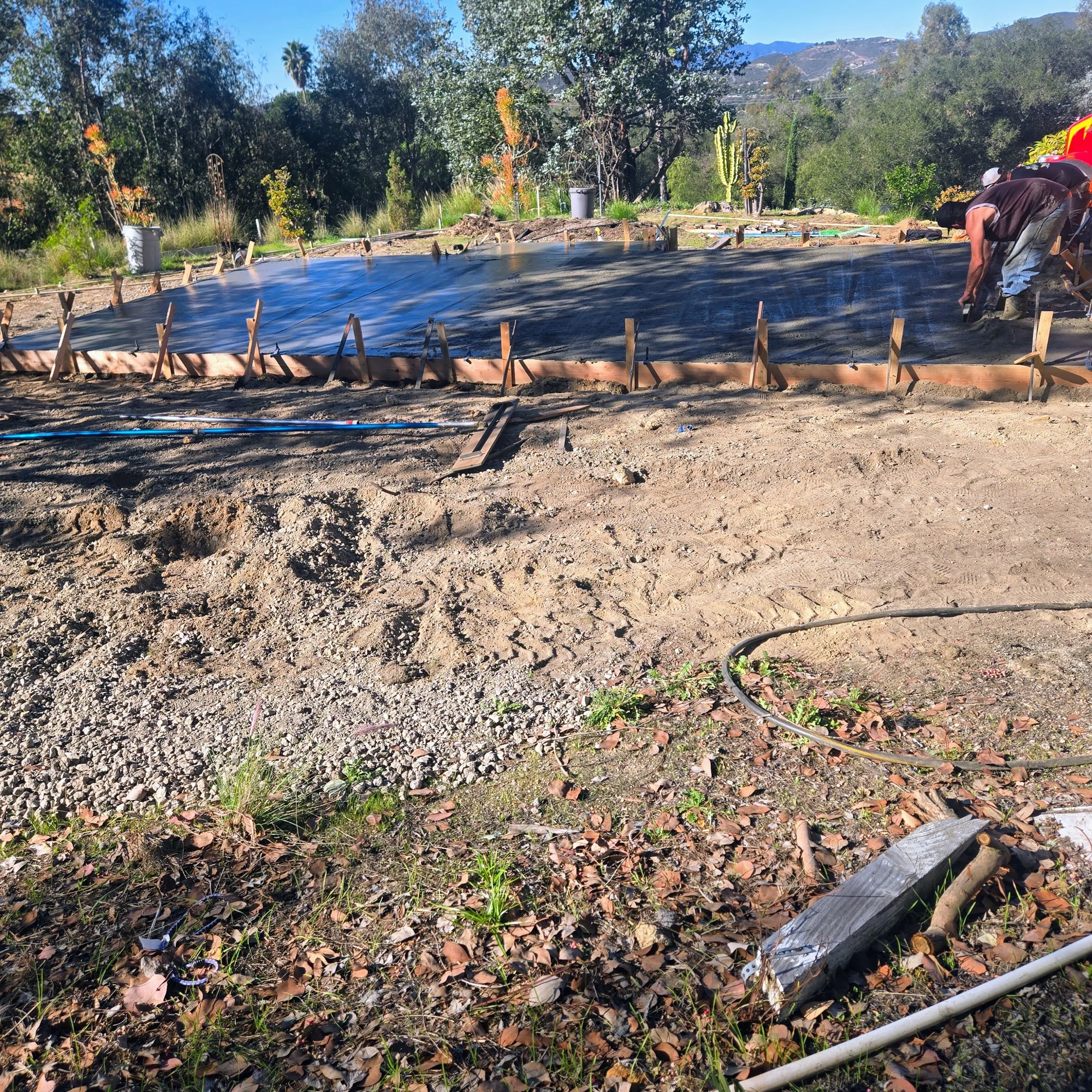
Irrigation next to flatwork
Sprinklers running against a slab edge keep the base saturated year round. In expansive soil that is a slow way to undermine your own driveway. Where the water lands matters.
Old slabs and new ones together
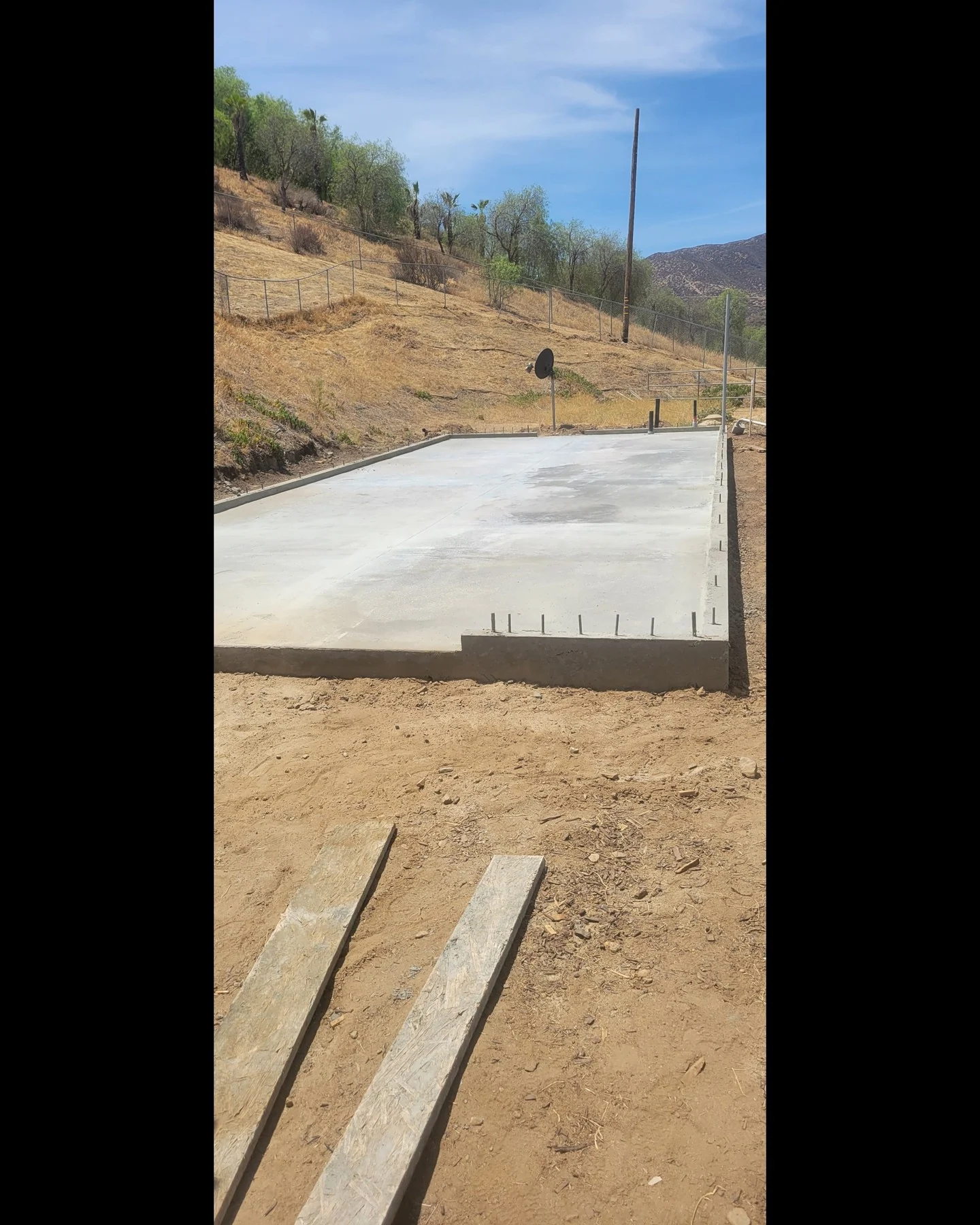
A new pour tied hard to an old slab will crack at the joint, because the two will never move the same. They get isolated on purpose so each one can do what it wants.
Curing in dry heat
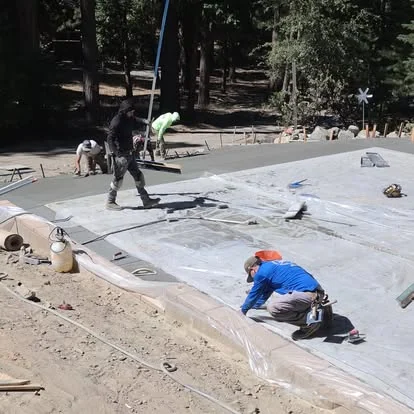
Low humidity and wind pull water out of a fresh slab faster than the concrete can use it. That is surface crazing and a weak top layer. Curing is an active step here, not something that just happens.
Joints planned on paper
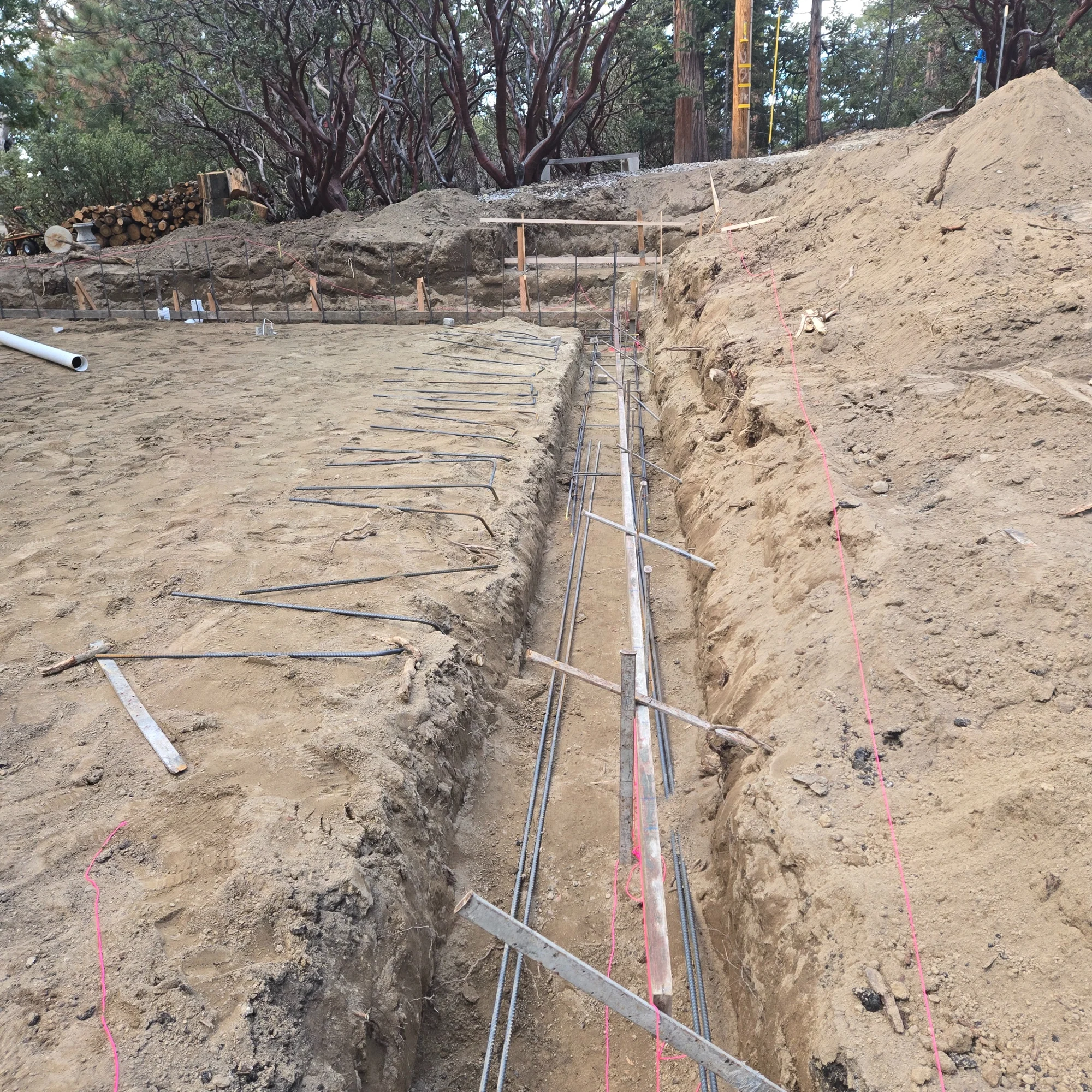
Joint layout gets worked out before the pour, spaced to the thickness and placed where the slab wants to move anyway. Then it gets cut at the right time.
One crew start to finish
The same people who form it pour it and finish it. There is no handoff where the details get lost.
Cleanup is part of the job
Washout handled properly, spoil hauled, surfaces cleaned. Concrete work is messy while it happens and should be invisible when it is done.
What we build in Lake Forest
Concrete Slab Replacement
When the base failed, the slab follows.
Garage Floors
Hot tires, dropped tools, and whatever ran off the car.

Garage Aprons
The strip between the driveway and the garage door.
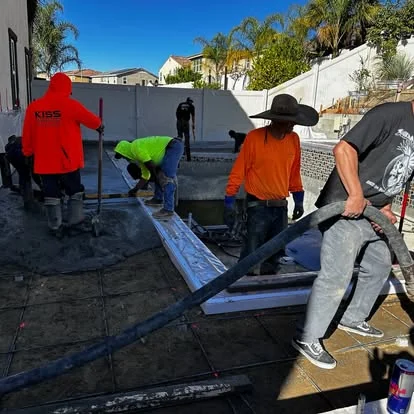
Basement Floors
A slab poured inside, where moisture has nowhere to go.
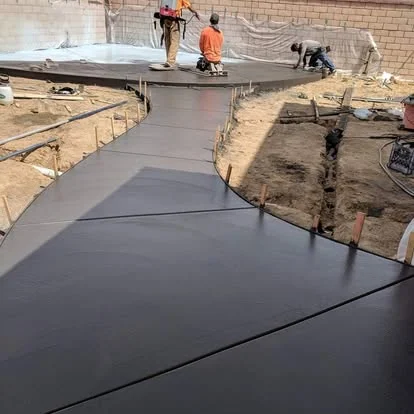
RV Pads
Heavy, concentrated, parked in one place for months.
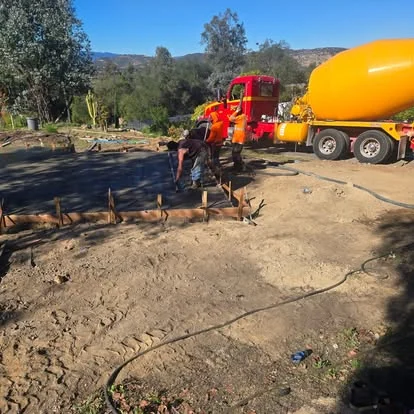
Boat Pads
Trailer tongue weight and a slab that has to stay level.
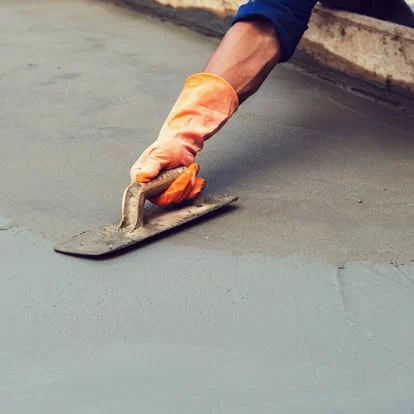
Concrete Replacement
Out with the old slab, in with one built right.

Concrete Removal
Break it out, haul it off, leave it clean.
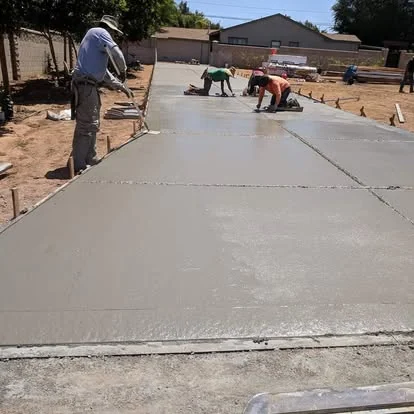
Concrete Demolition
Controlled demolition, including reinforced sections.
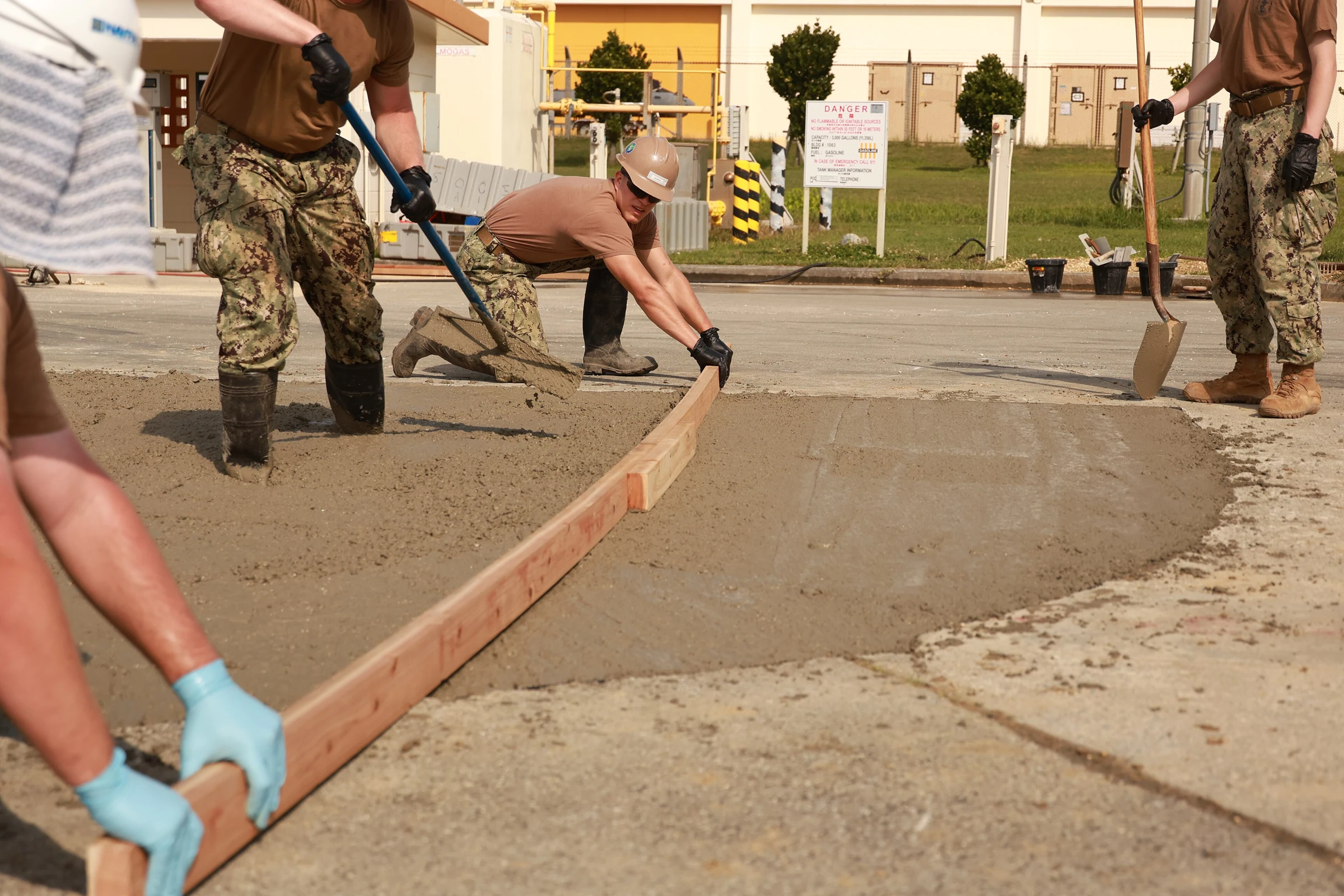
ADA Sidewalks
Accessible routes that hold their tolerances.
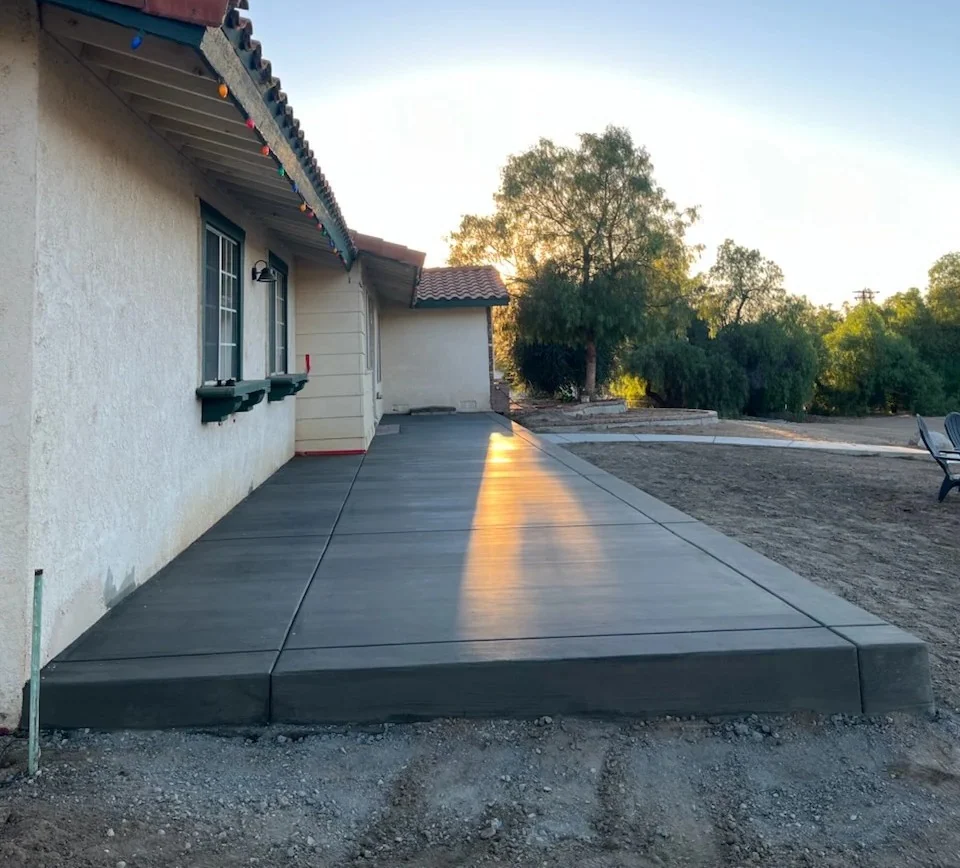
Warehouse Floors
Flat enough for racking and hard wheels.
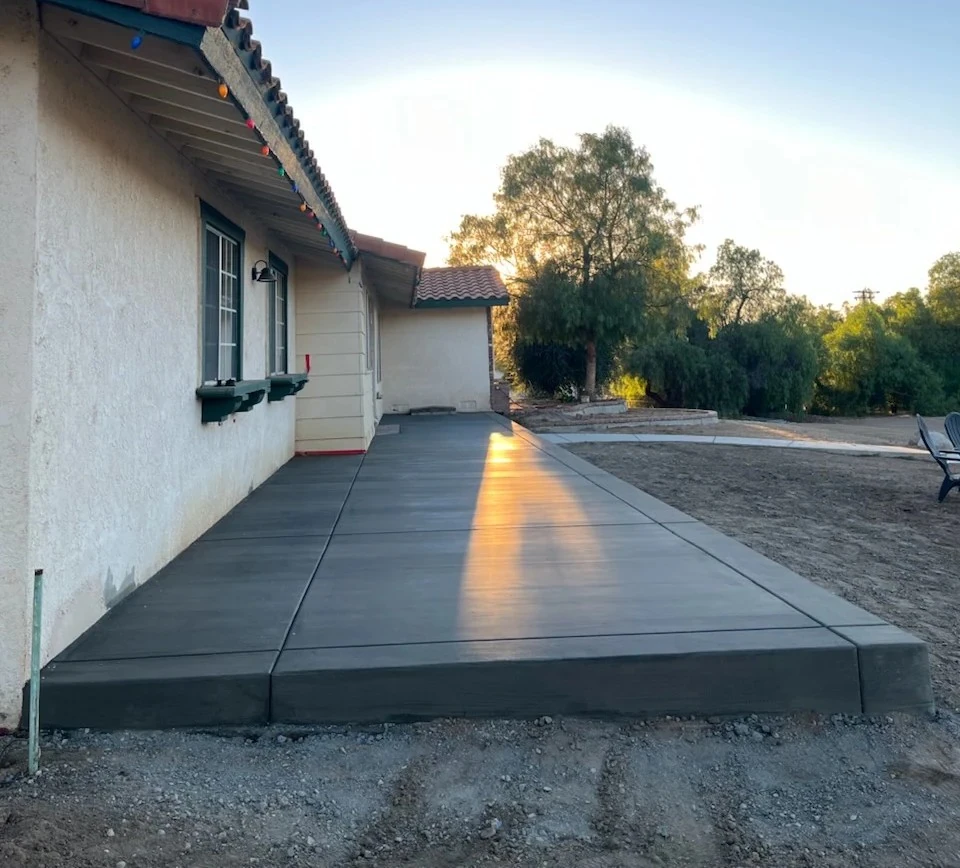
Industrial Floors
Impact, chemicals, and equipment loads.
Pouring concrete around Lake Forest
What the ground does here
The inland valleys run on expansive clay. It takes on water and swells, then dries out and shrinks, and it does that cycle every year. A slab poured on untreated clay rides that movement until something gives, which is why base preparation and reinforcement are the design rather than an upgrade. Where a soils report exists we build to it; where there is none, what we find during excavation tells us what the ground is going to do.
Irrigation against the slab
Almost every valley property waters something, and sprinklers running along a slab edge keep the base saturated year round. In expansive soil that is a slow way to undermine your own driveway. Where the water lands is worth looking at before blaming the concrete.
Drainage on a flat lot
Valley lots are often close to level, which makes slope hard to find and easy to get wrong. Low points, cross-fall and where water actually leaves the property get worked out before the pour, because once the concrete is down the drainage is permanent.
What lasts here
A properly based, properly jointed slab with reinforcement sized to the load will outlast the house it sits beside. The variables that decide it are all underneath and all invisible once the pour is done, which is exactly why they get cut on cheap jobs.
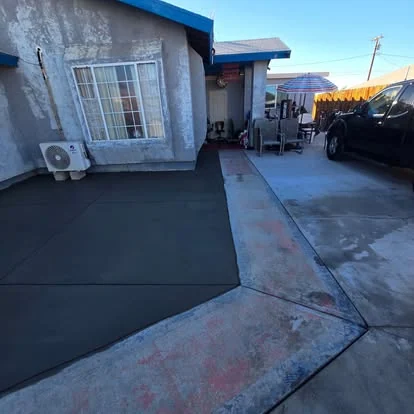
Concrete work around Lake Forest
Flatwork, foundations and repair across Lake Forest and the rest of Orange County, poured by the same crew that answers the phone.
How concrete fails, and why
Cracking that follows no joint
When a slab cracks in a line nobody cut, it is almost always telling you about restraint or about the ground. A slab poured tight against a footing cannot shrink, so it tears instead. A slab over a soft spot bends until it breaks. Neither is a concrete defect.
Spalling and surface loss
Flaking down to the aggregate is the top layer letting go. The usual causes are water working in and out, chloride from de-icing or fertiliser, and a surface that got sealed too early during finishing so bleed water was trapped under it.
Panels at different heights
A lip at a joint means one side moved. Sometimes that is a root, sometimes erosion under the slab, sometimes a void left by poor compaction. Grinding the lip removes the trip hazard and does nothing about the cause.
Standing water
Water that sits is a grading problem that got set in concrete. It accelerates every other failure mode, because water is what carries chloride in and what freezes in the pores.
How a job runs
Permits and inspection
Structural work and anything in the public right of way gets permitted and inspected. We raise that at the start rather than at the pour.
Utilities
Anything dug or cut starts with locating. Finding a line with a saw is expensive and avoidable.
A slab with no cracking plan will still crack. It just picks the place.On control joints
Noise and disruption
Breaking and cutting concrete is loud. We will tell you which days those are so you can plan around them.
Cleanup
Washout handled properly, spoil hauled off, surfaces washed. The site should look finished when we leave.
Around Lake Forest
Straight answers
Does the clay soil here really matter that much?
Yes. Expansive clay swells with water and shrinks when it dries, every year. That movement is what cracks slabs and foundations, and it is handled in the base, the reinforcement and the drainage rather than in the finish.
Can you pour in the middle of summer?
We do, and we start early. Triple digit afternoons stiffen the mix before it can be finished and pull water out of the slab, so hot weather pours get scheduled, mixed and cured differently. Sometimes the right answer is moving the date.
Do you handle the demolition and haul-off?
Yes. Saw cutting to a clean line, breaking out, loading and hauling is part of the job, and we protect what stays and leave the ground ready for the new pour.
How thick should my driveway be?
It comes off what parks on it. A passenger car drive and one carrying a loaded work truck or an RV are not the same slab, and the wheel path is where a thin one cracks first.
What maintenance does concrete actually need?
Keep water moving off it, reseal when it needs it, and keep the joints maintained. Water is the common factor in nearly every concrete failure, so those three things buy years.
Get a number for your Lake Forest job
Tell us what you are building. Somebody comes out, reads the site, and prices what it actually needs rather than what fits a template.