
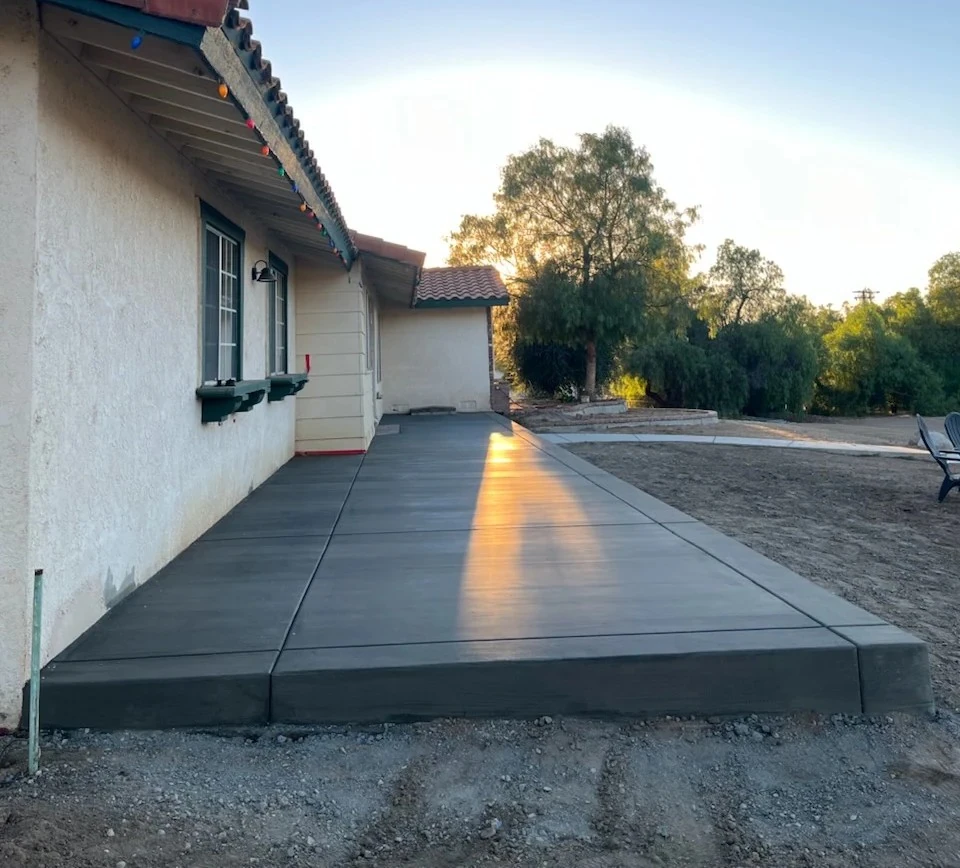
Multi-Family Concrete
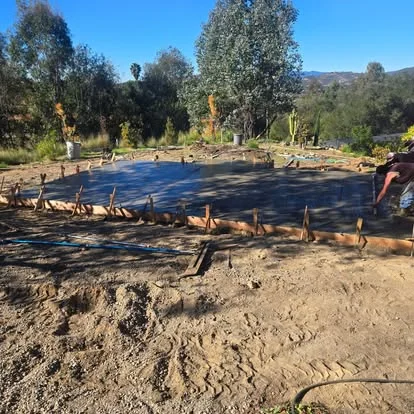
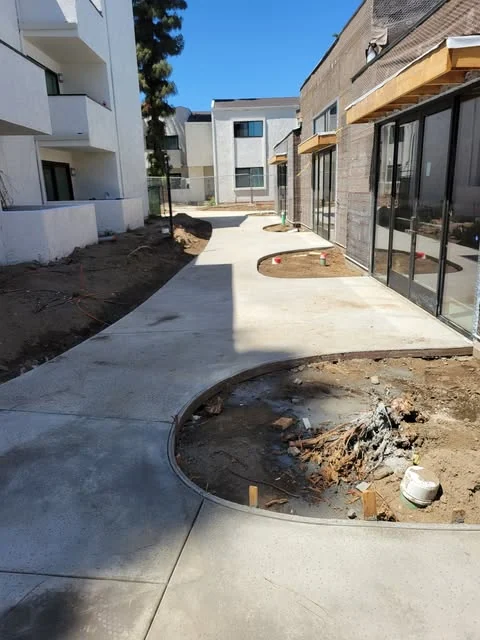
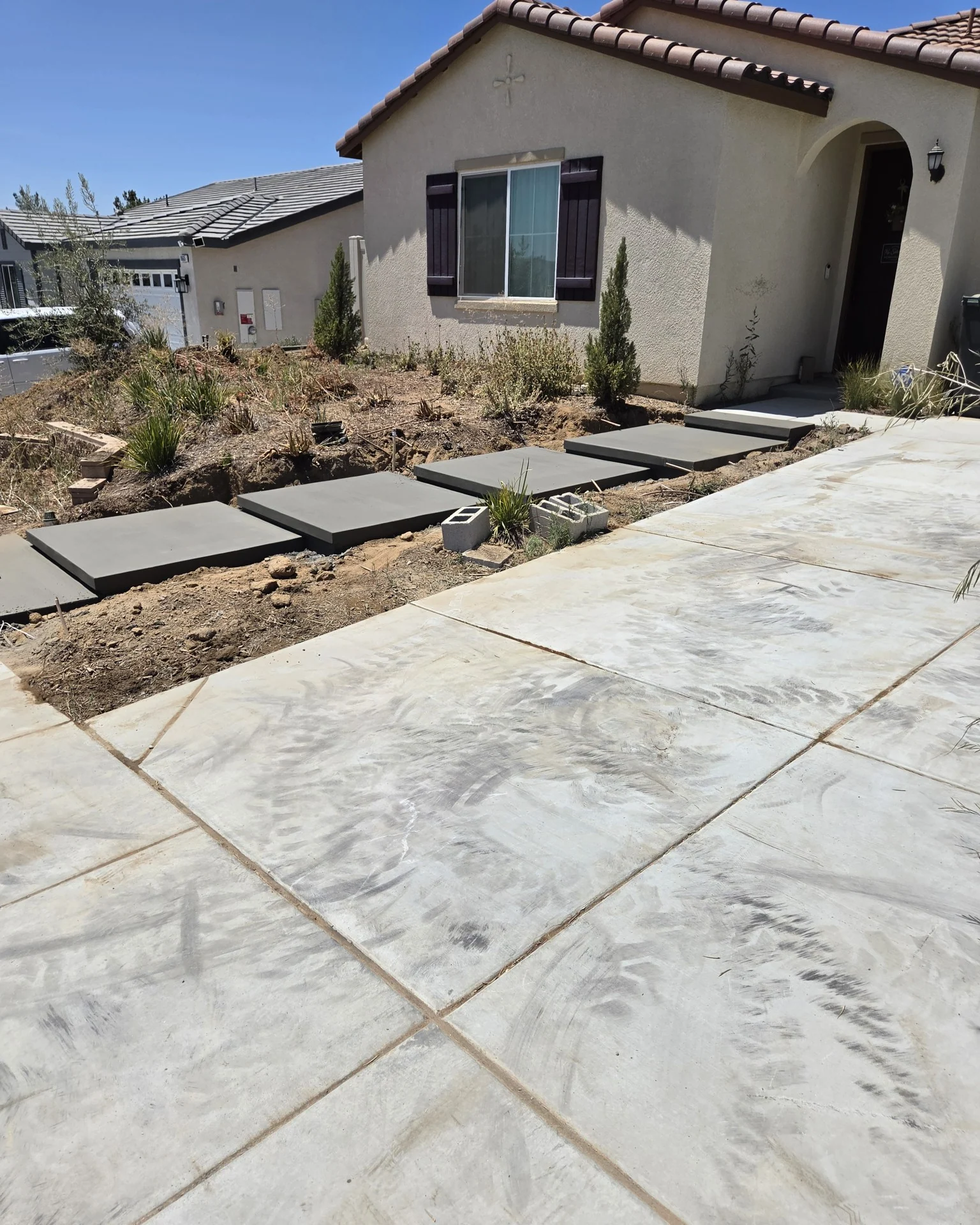
Multi-family is the same details many times, which rewards setup and sequencing. Podium slabs, footings, walks and drives all have to land in an order that keeps the other trades moving.
Talk to us about the job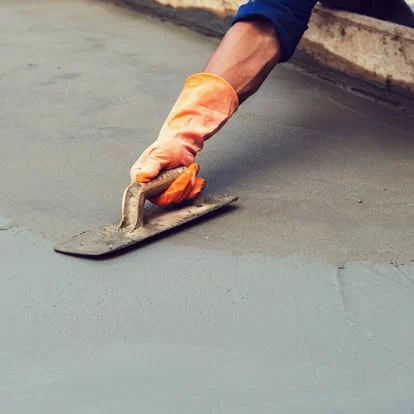
How the job runs
Look at it in person
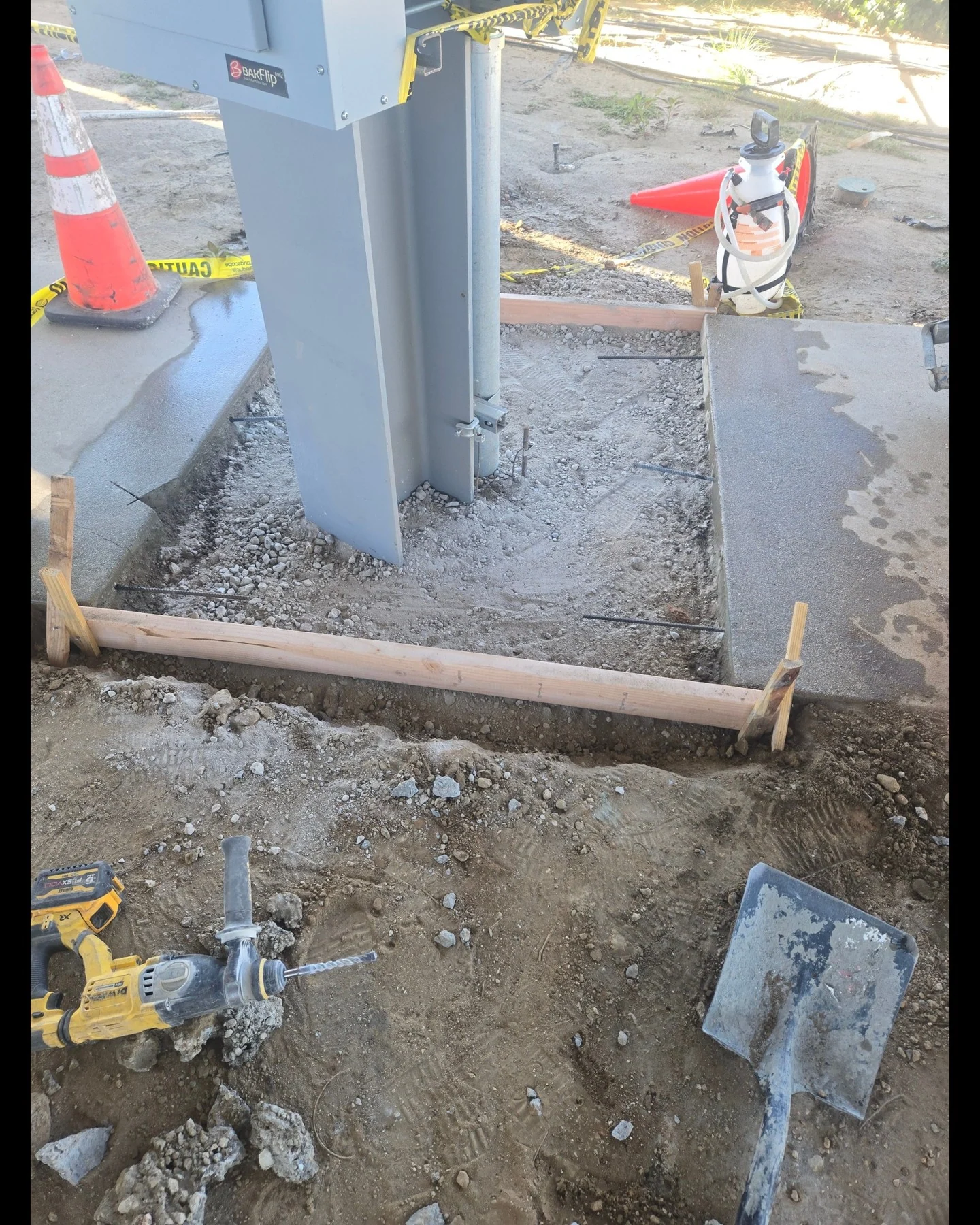
We come out, measure, and read the site. Drainage, access, what the existing concrete is telling us, and what is under it. That visit is where the real decisions get made.
Give you the honest version
You get told what the job needs and what it does not. If the slab is sound and you only need a repair, that is what we will say.
Fix the ground
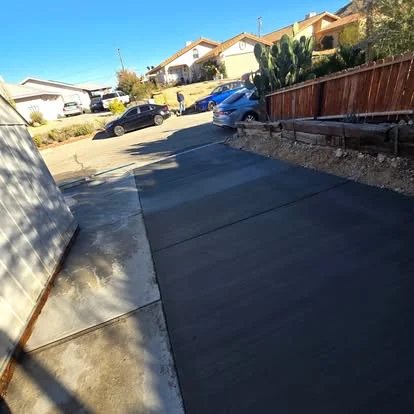
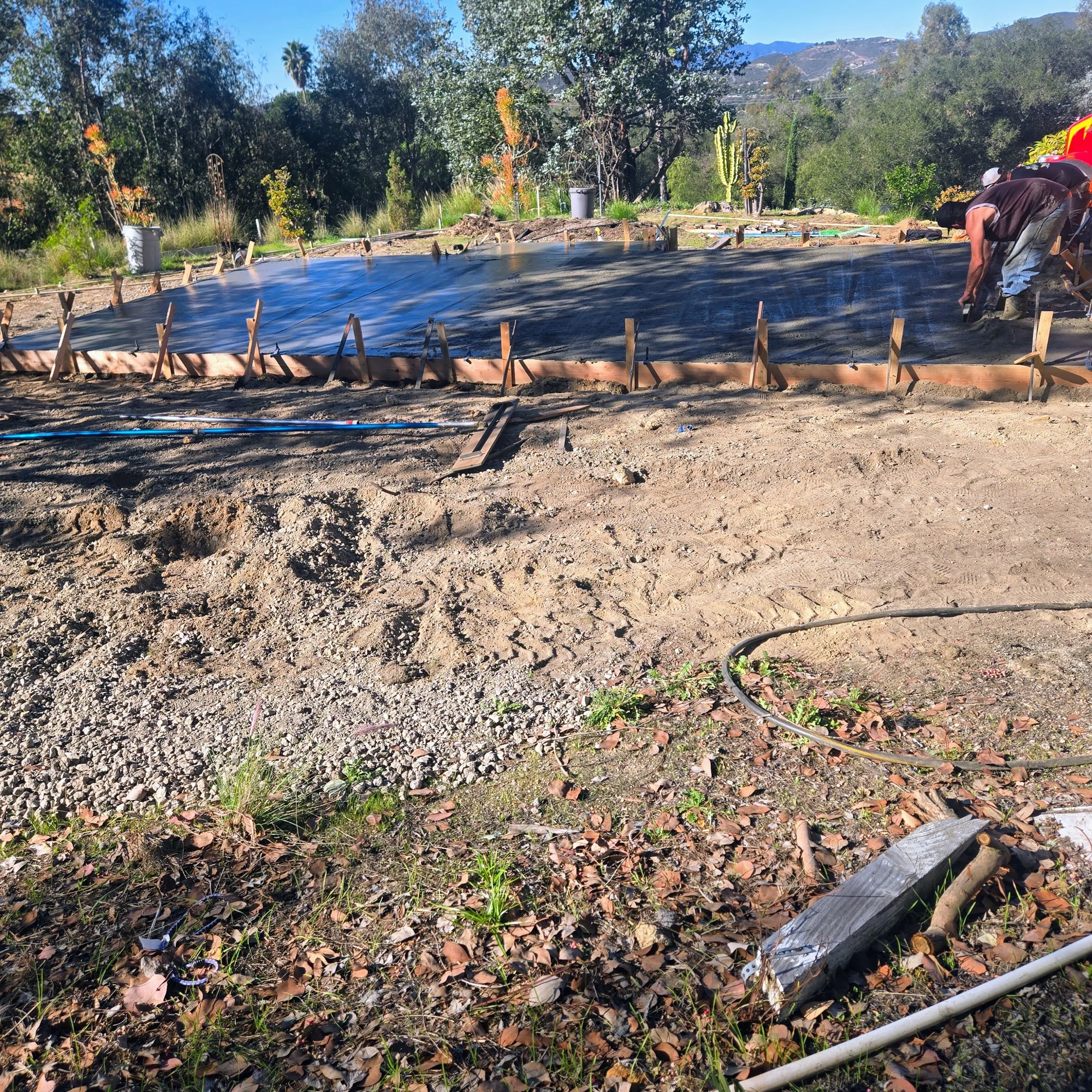
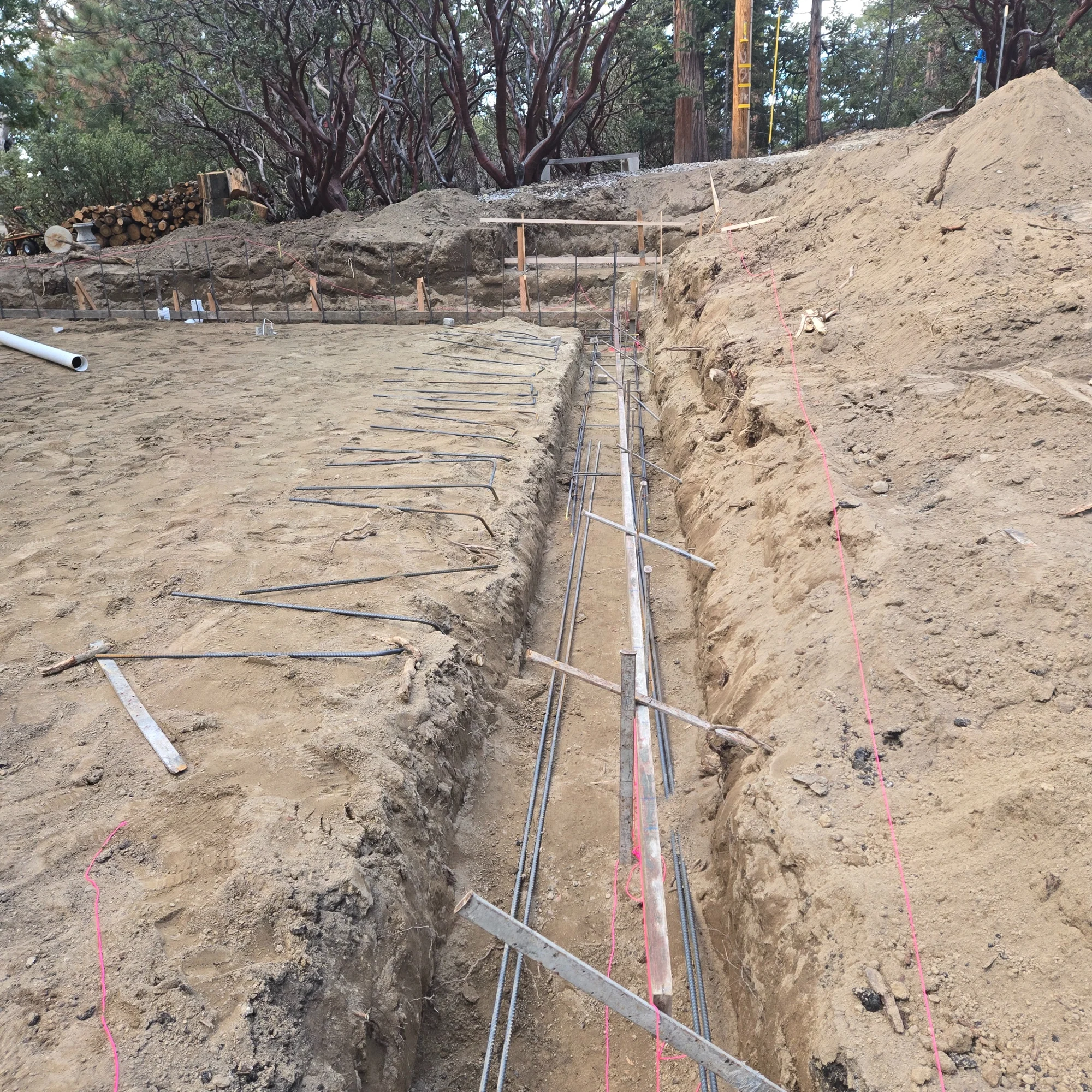
Every slab is only as good as what it sits on. Cut to grade, replace bad material, compact it in controlled lifts, and check it before anything gets formed.
Pour it properly
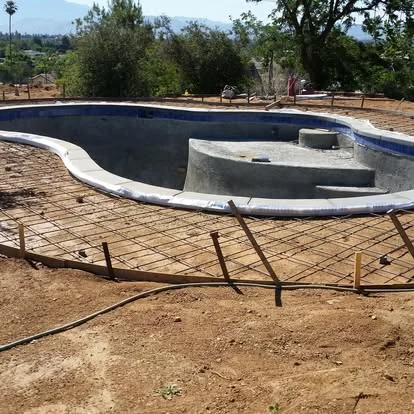
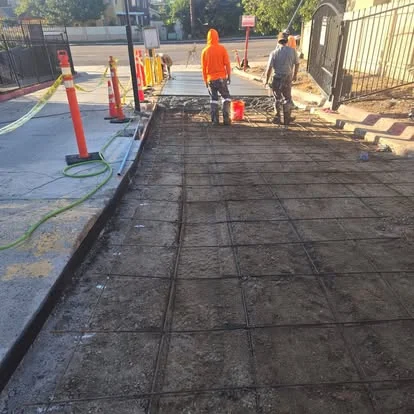
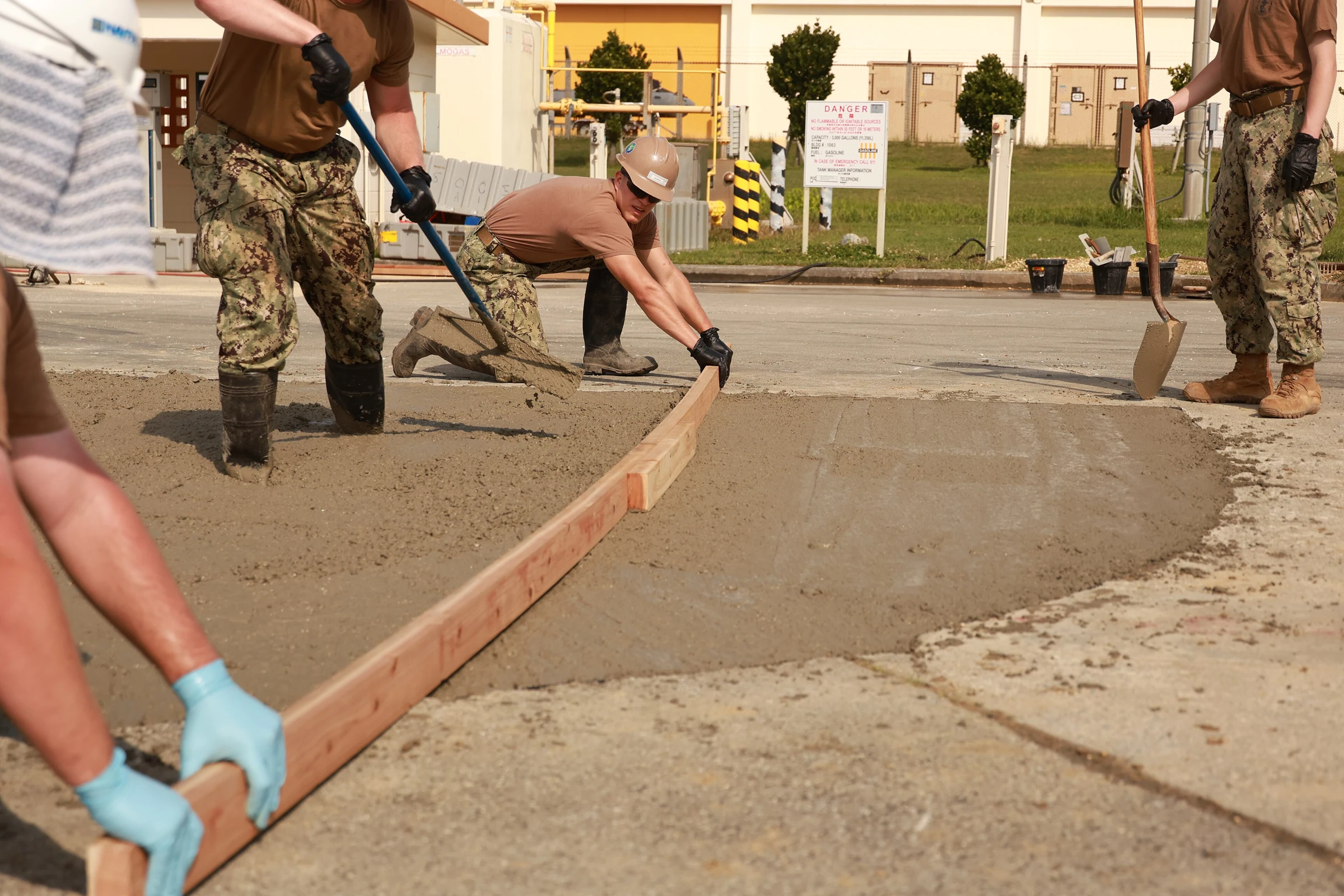
Braced forms, correctly placed steel, a mix suited to the job, and consolidation that leaves no voids. Finishing happens on the concrete’s schedule, not ours.
What this job actually needs
Sequence and inspections
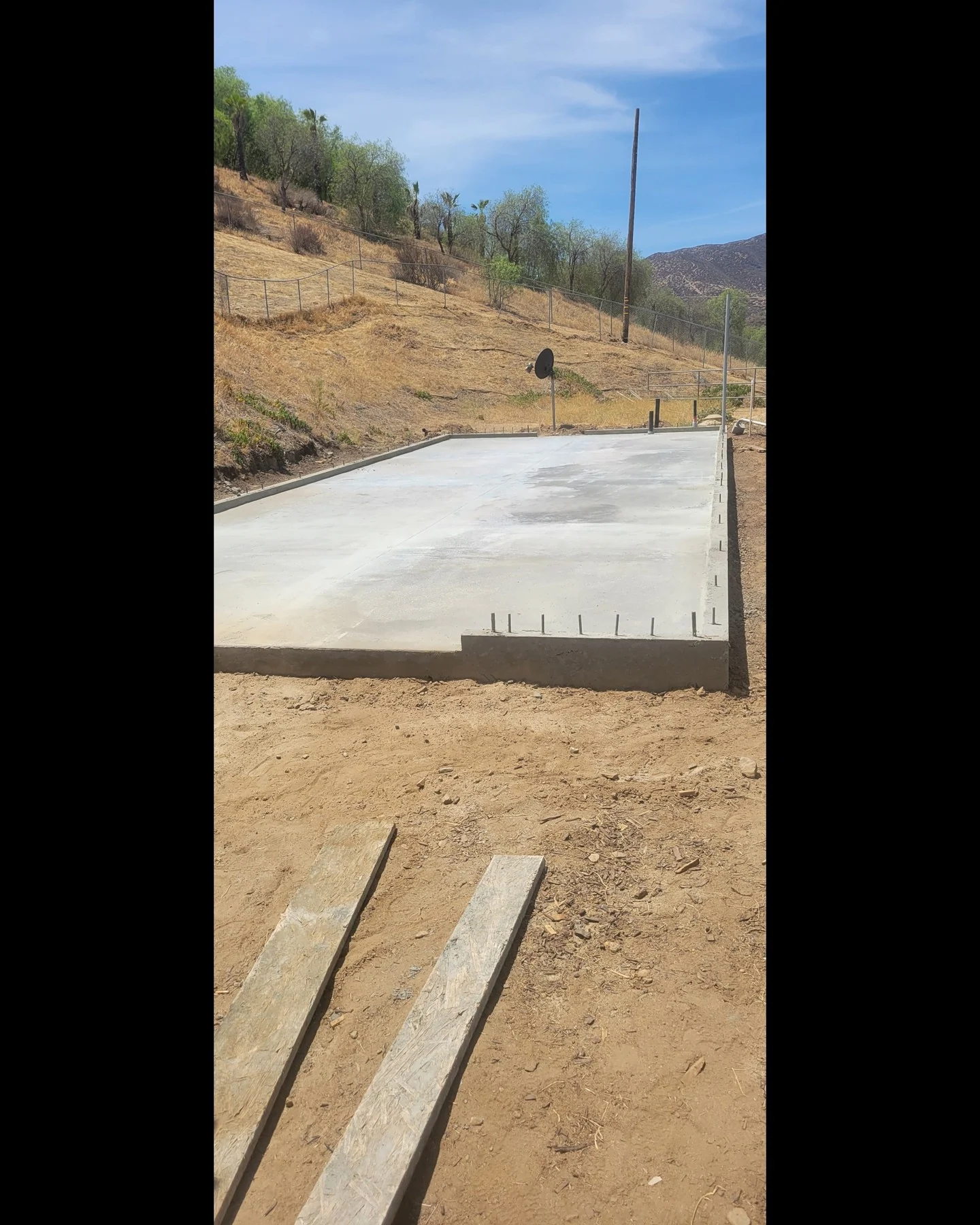
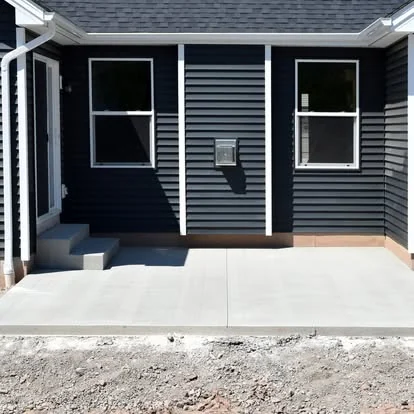
Footings, stem walls, slab, then flatwork at the end, with inspections between stages. Each one has to clear before the next starts, and a missed window holds up every trade behind the concrete.
Coordination with the build
Plumbing, electrical and any under-slab work all have to be in and inspected before the pour. That coordination is most of what makes new construction concrete run smoothly or badly.
Sloped and difficult sites
Hillside work means stepped footings, retaining, drainage with real consequences, and access planning for trucks and equipment. In Southern California that is common rather than exceptional.
Building to the soils report
Where a soils report exists it governs footing depth, reinforcement and sometimes soil treatment. It is the document that tells us what the ground will actually do.
What decides whether it lasts
Concrete is judged on the surface and it fails from underneath. The base, the steel, the joints and the cure are the whole job. A slab that was poured on bad ground will tell you so, usually in the third or fourth year.
Why fourth generation matters here
32 years on the tools means most of these problems have already been seen once. Reading a slab before quoting it is the part you cannot learn from a book, and it is the difference between a repair that holds and one that comes back.
What Southern California ground does to multi-family concrete
Older flatwork around here
A lot of valley concrete was poured thin, with light reinforcement, on a base that was never properly compacted. When it fails it is usually reporting on the ground rather than on the mix, and that is the difference between a repair that holds and one that comes back in a year.
Summer pours
Triple digit afternoons change how concrete behaves. It stiffens before it can be finished properly, the surface skins over while the body underneath is still soft, and water leaves the slab faster than the cement can use it. Valley pours start early, the mix gets adjusted for the heat, and curing is treated as an active step instead of something that happens on its own.
Irrigation against the slab
Almost every valley property waters something, and sprinklers running along a slab edge keep the base saturated year round. In expansive soil that is a slow way to undermine your own driveway. Where the water lands is worth looking at before blaming the concrete.
Drainage on a flat lot
Valley lots are often close to level, which makes slope hard to find and easy to get wrong. Low points, cross-fall and where water actually leaves the property get worked out before the pour, because once the concrete is down the drainage is permanent.
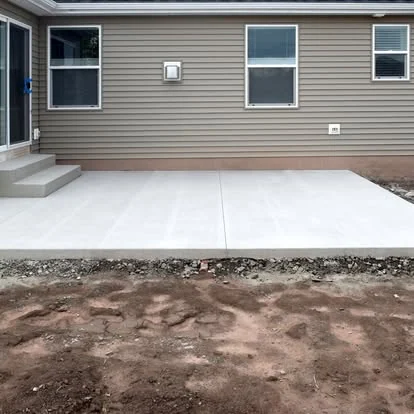
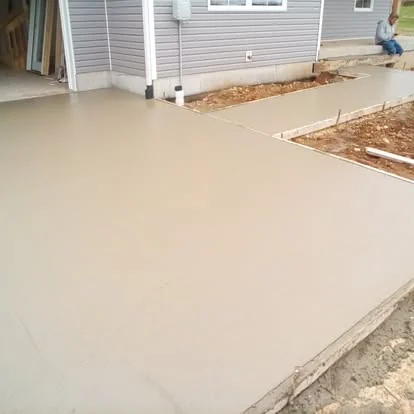
How concrete fails, and why
Settlement at the apron
The strip where a driveway meets a garage takes every vehicle and sits over backfill that was disturbed during construction. It settles more than the rest of the drive and it needs its own thickness and joint.
Heaving
A slab pushed upward is usually roots or expansive soil taking on water. Both get worse with irrigation, and neither is fixed by resurfacing the top.
Pop-outs
Small conical craters come from a particle of reactive aggregate near the surface expanding and blowing the concrete off above it. Cosmetic, and a repairable surface defect.
Dusting
A surface that chalks under a broom was finished or cured badly, or had water worked into it. Sealing helps; grinding and resurfacing fixes it.
How a job runs
Weather calls
Rain on fresh concrete damages the surface, and extreme heat shortens the finishing window. Both can move a date, and we will tell you why.
Sequence on bigger jobs
Demolition, earthwork, forming, steel, pour, joints, cure. Each step has to finish before the next one starts, and inspections land between some of them.
Once the slab is down, the drainage is permanent.On grading
Changes mid-job
Anything found underground can change the scope. If that happens you hear about it before work continues, with what it means.
What normal looks like after
Some hairline cracking, some color variation, and joints doing their job. We will tell you what is expected so you know what is not.
Other new construction work
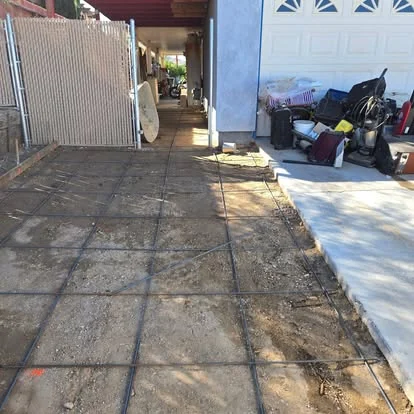
New Construction Concrete
Concrete from footings through flatwork on a new build.
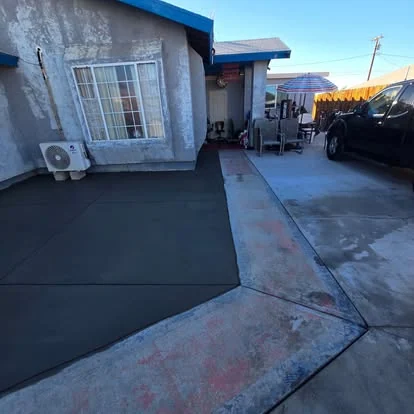
Custom Home Concrete
One-off houses where nothing is a standard detail.
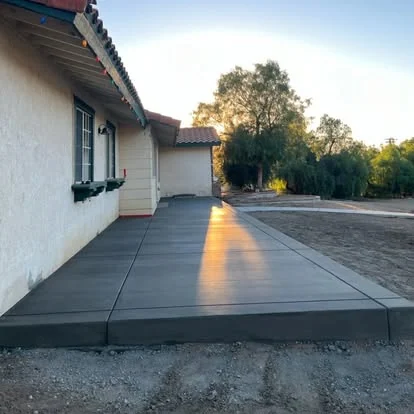
ADU Concrete
Foundations and flatwork for accessory dwellings.
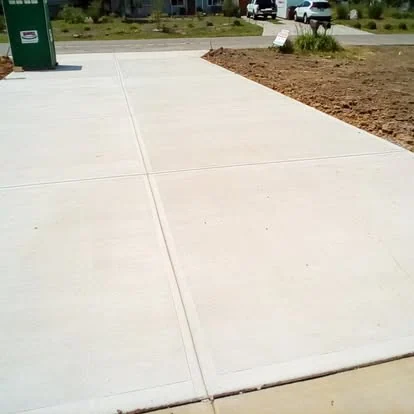
Hillside Concrete
Sloped sites, stepped footings, and retained grade.
Straight answers
Who arranges the inspections?
We schedule the concrete inspections into the pour sequence. On a permitted build the general contractor and we coordinate so nothing waits.
How does concrete fit the build schedule?
Footings, stem walls, slab, then flatwork at the end, with inspections between. Missing a window holds up every trade behind you, so the sequence gets planned with the builder.
Do you do ADU foundations?
Yes. The concrete is usually simple and the access usually is not, so we plan how a truck or a pump reaches a back yard before quoting it.
What about the soils report?
If there is one, we build to it. It tells us bearing capacity and how the soil behaves, which drives footing depth and reinforcement.
Can you work on a sloped lot?
Yes. Hillside work means stepped footings, retaining, and drainage that has real consequences. It is common in Southern California and it is not standard flatwork.
Tell us what the job is
We walk the job, tell you what it needs, and give you a number. Hemet and roughly 100 miles around it.