

Built for Thermal ground
The soil and the weather here decide how a slab is built. Driveways, patios, slabs and foundations across Thermal, licensed 1137822.
Talk to us about the job


What concrete is up against around Thermal
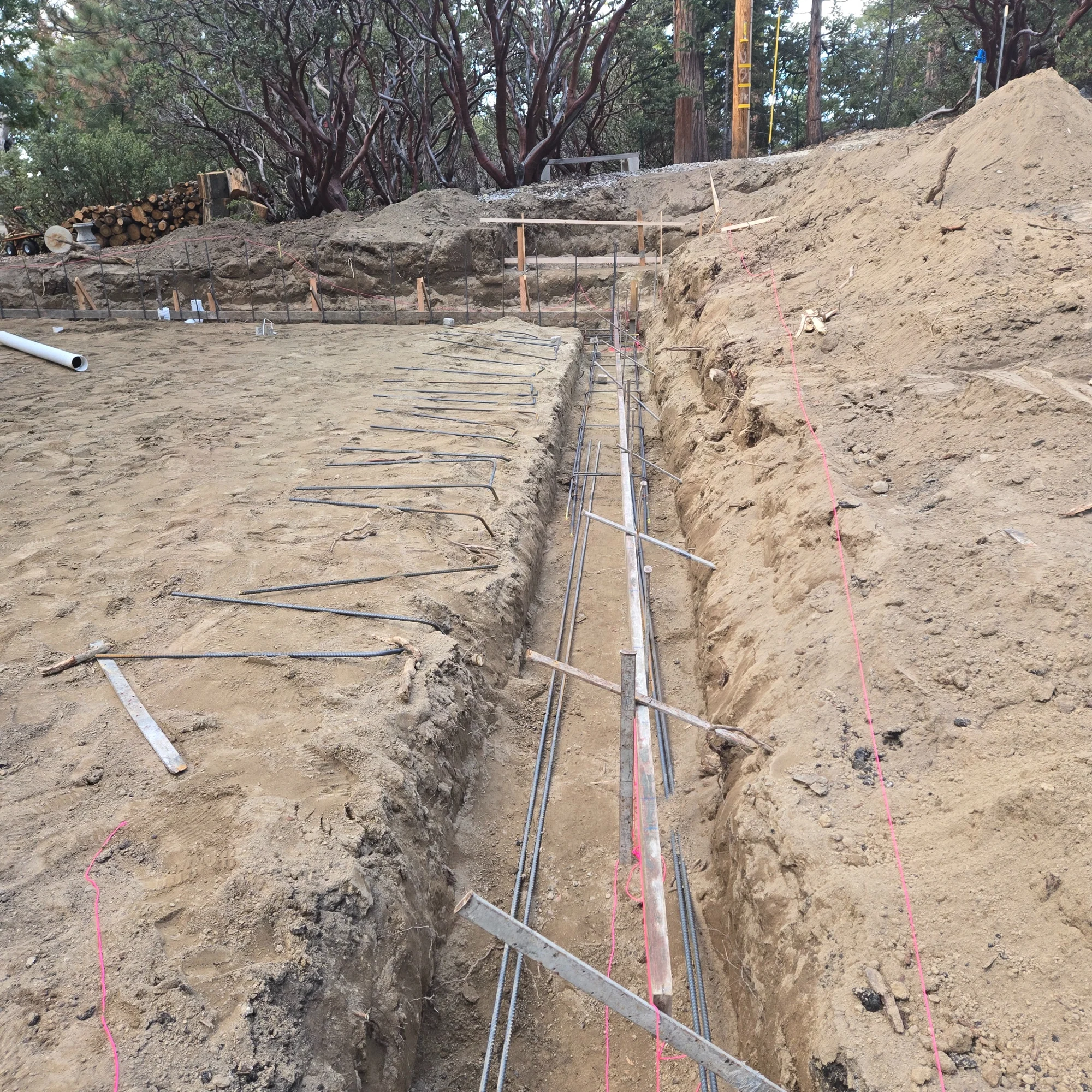
Water loss before the slab sets
Single-digit humidity and wind will pull water out of fresh concrete fast enough to ruin the surface. Evaporation control during the pour is not optional at these temperatures.
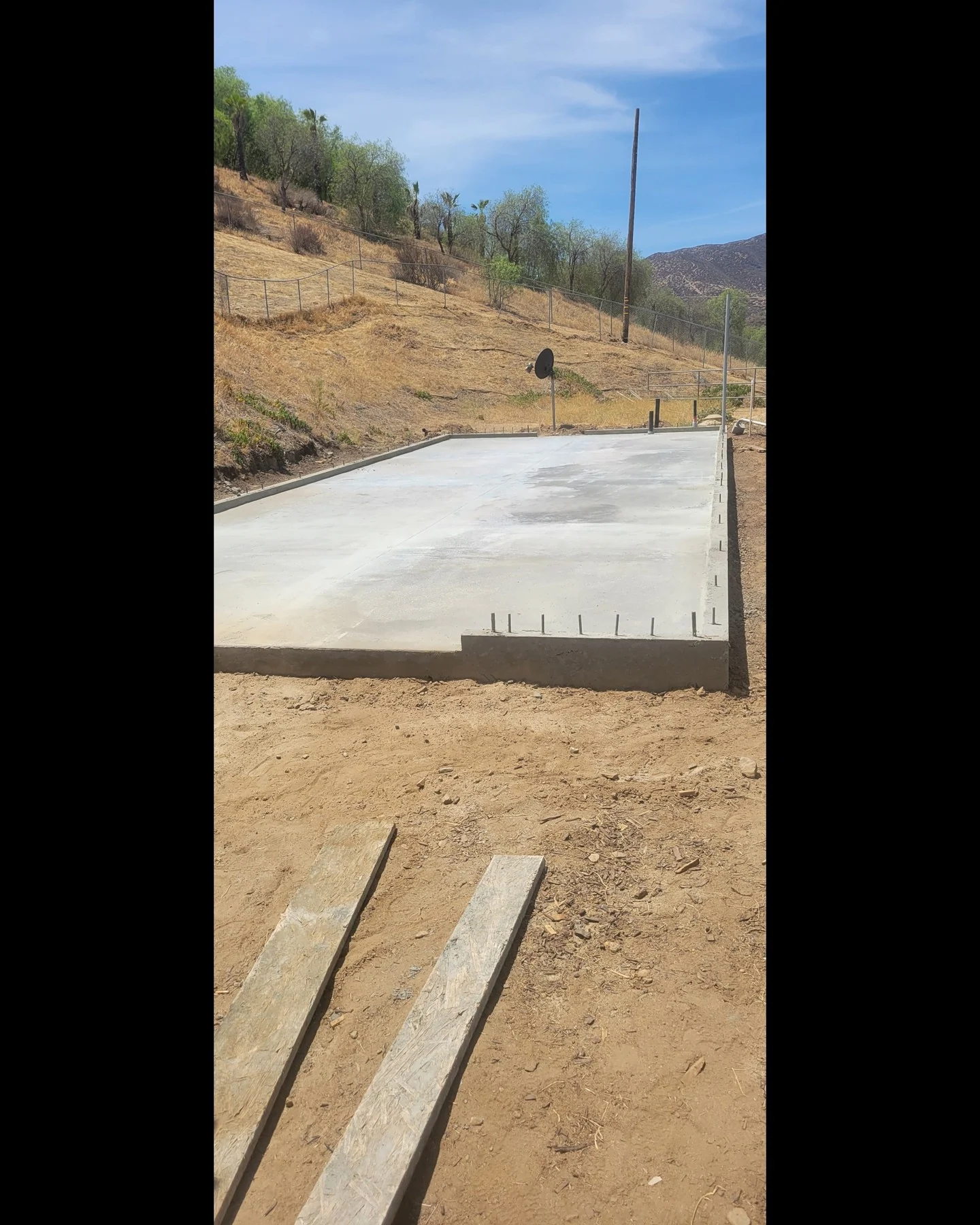
Sandy and alluvial ground
Desert soils drain well and compact differently from clay. That can be an advantage, but loose alluvial material has to be properly compacted in lifts or the slab settles unevenly.
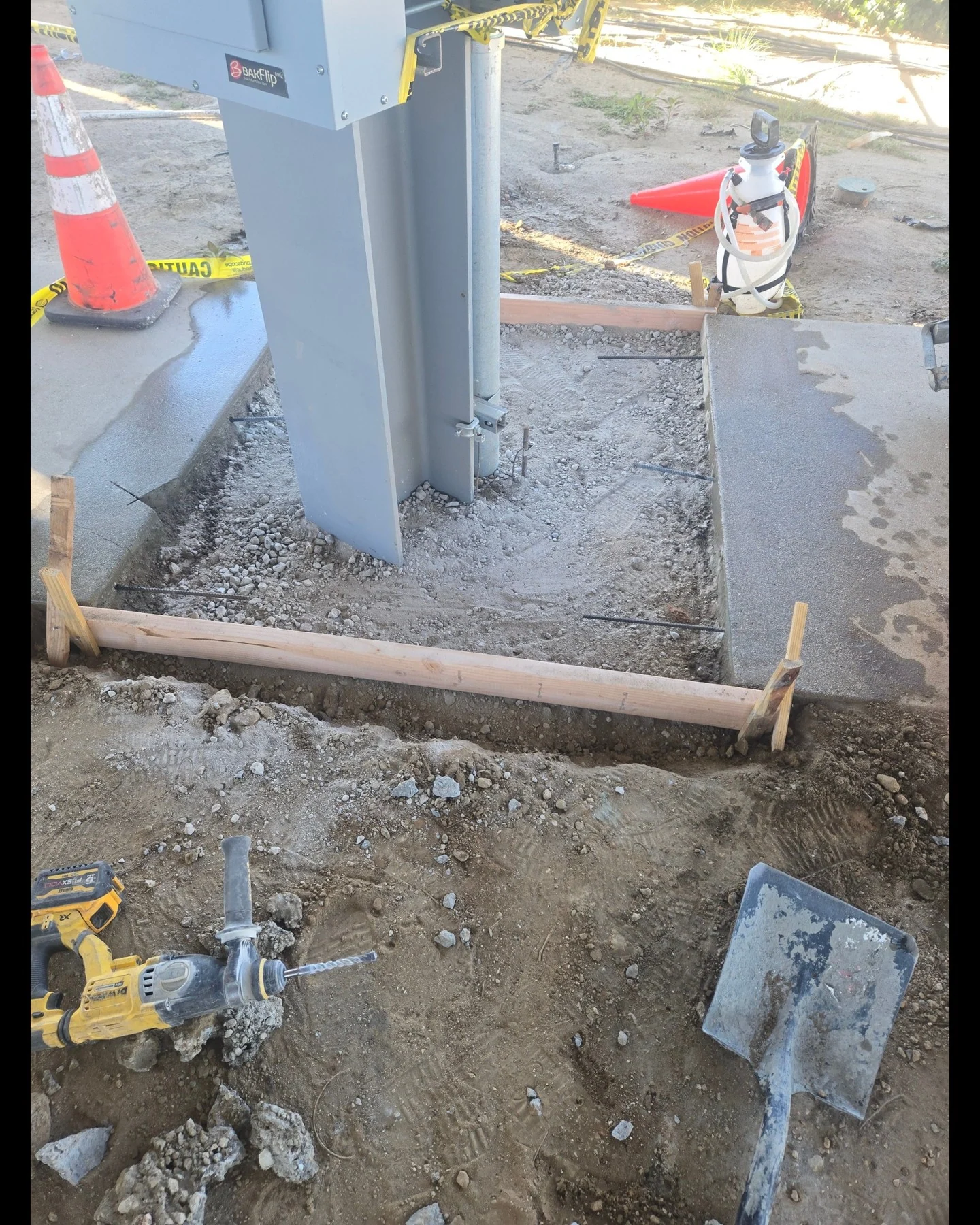
Irrigation on a desert lot
Landscape watering in the desert concentrates water in narrow bands right where the planting is. Next to a slab edge that creates exactly the moisture differential that moves concrete.
Pours scheduled to the heat
In summer we start early and keep the mix and the crew ahead of the temperature. Concrete does not wait for anybody.
Joints planned on paper
Joint layout gets worked out before the pour, spaced to the thickness and placed where the slab wants to move anyway. Then it gets cut at the right time.
One crew start to finish
The same people who form it pour it and finish it. There is no handoff where the details get lost.
What we build in Thermal
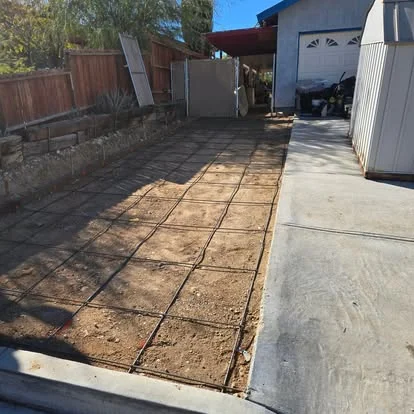
Boat Pads
Trailer tongue weight and a slab that has to stay level.
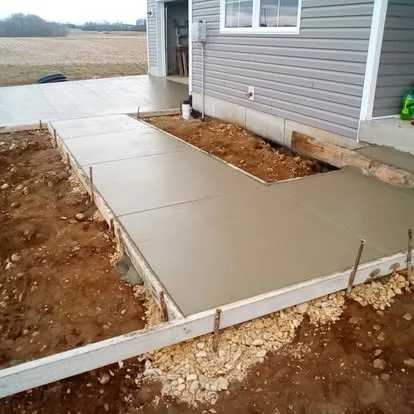
Parking Pads
Extra parking that is not the driveway.
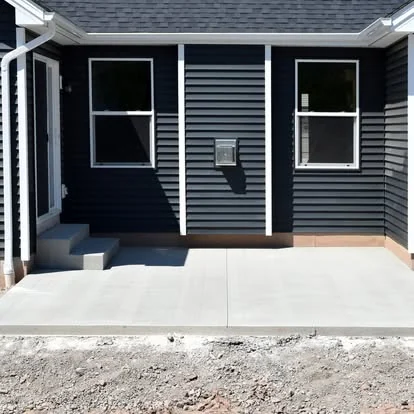
Concrete Pool Decks
Wet feet, chemicals, and sun all year.
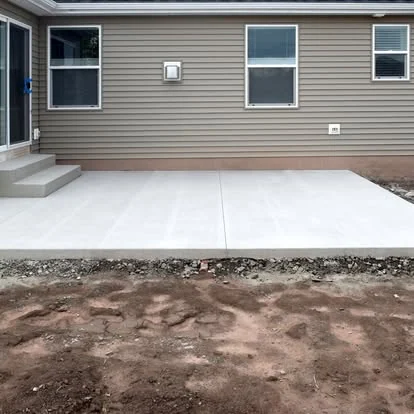
Concrete Pads
A pad sized to the thing that is going on it.
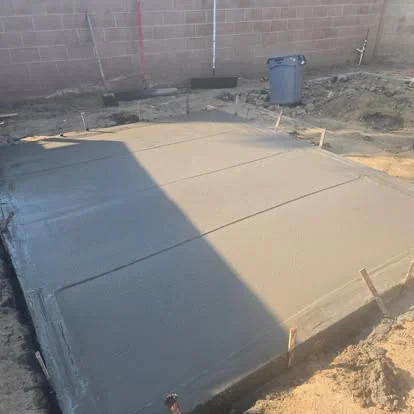
Residential Concrete Flatwork
All the flat concrete around a house, done by one crew.
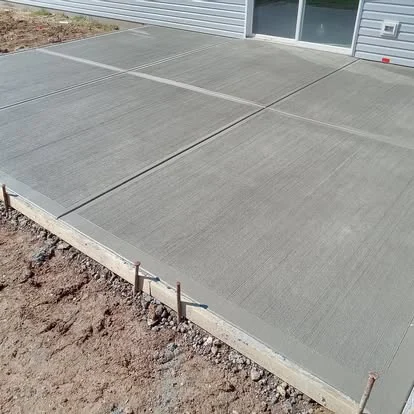
Backyard Concrete
The whole back of the property, planned as one pour.
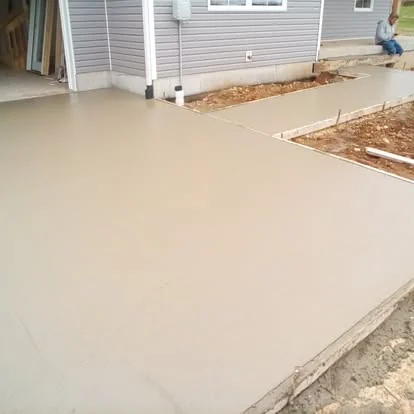
Spalled Concrete Repair
Surface flaking down to the aggregate.
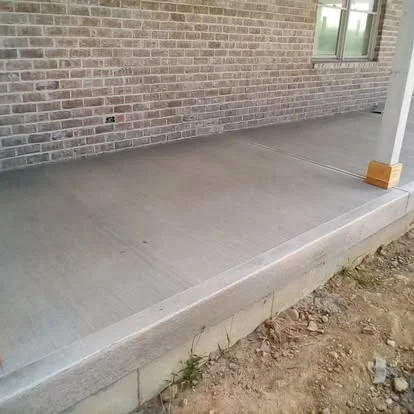
Settled Concrete Repair
The slab dropped because something under it did.
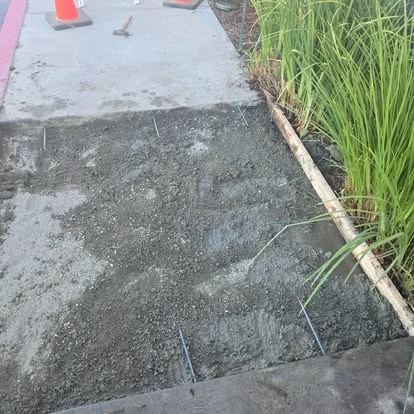
Uneven Concrete Repair
Lips, trip hazards, and panels out of plane.
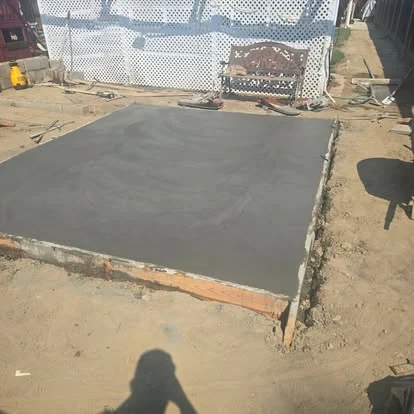
Commercial Concrete Foundations
Footings and stem walls under a commercial structure.
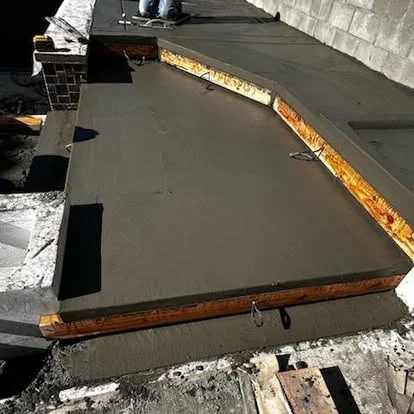
Commercial Sidewalks
Walks that carry public traffic and public liability.
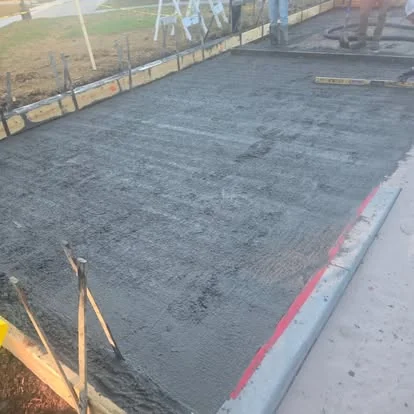
Commercial Patios
Restaurant and retail patios built for daily traffic.
Pouring concrete around Thermal
Alluvial and sandy ground
Desert soils drain well and compact differently from clay. That can work in your favor, but loose alluvial material has to be placed and compacted in controlled lifts or the slab settles unevenly and cracks along the soft line.
Heat is a design input
Low desert summers put concrete through conditions most of the country never sees. Placing at a hundred and fifteen means the mix is stiffening as it comes off the chute, and the finishing window can close in minutes. Pours move to first light, the mix is ordered for the conditions, and evaporation control during placement is not optional.
Sun on the finished surface
A dark slab in full desert sun becomes genuinely unusable barefoot, which matters around pools and on patios. Color and finish are a comfort decision here as much as an appearance one, and lighter, more textured surfaces earn their place.
Wind during finishing
Blowing sand landing on a slab inside the finishing window gets worked into the surface and stays there. Wind is a scheduling factor in the desert the same way rain is elsewhere.
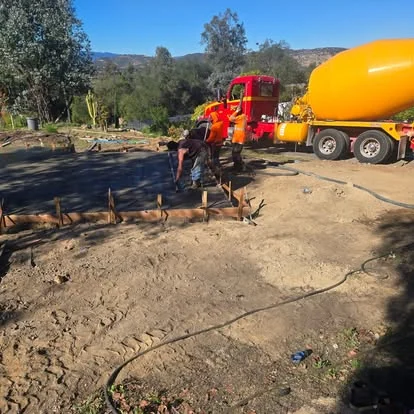
Concrete work around Thermal
Flatwork, foundations and repair across Thermal and the rest of Riverside County, poured by the same crew that answers the phone.
How concrete fails, and why
Thin slab cracking under vehicles
A four inch slab under a work truck or an RV will crack in the wheel path. Thickness has to come off the actual load, not off what is typical.
Joints in the wrong place
Joints spaced too far apart let the slab crack between them. The rule of thumb is roughly two to three feet of spacing per inch of thickness.
Surface loss at door thresholds
Water runs off a roof or a door and lands in the same line every time. Concentrated water wears concrete, and a drip line is a real design consideration.
Reinforcement too low
Steel sitting on the subgrade is doing nothing. It has to be lifted on chairs into the upper portion of the slab where tension actually occurs.
How a job runs
Before we start
You get told what is being built, how long the concrete is unusable, and where the truck and the crew will be. Access gets sorted before the day, not on it.
The day of the pour
Concrete arrives on a schedule and does not wait. The crew works to the material, which means the pour is not a good day to renegotiate the scope.
Width tells you less about a crack than movement does.On reading a slab
After the pour
Foot traffic usually after a day or so, vehicles longer. You get the real numbers for your slab, because thickness and weather both change them.
The first month
Concrete keeps gaining strength for weeks. Hairline shrinkage cracking in that window is normal and is not a failure. Anything that worries you, call and we will look.
Around Thermal
Straight answers
Can you match my existing concrete?
Close, not exact. Concrete ages and desert sun accelerates it, so a new pour reads newer for a while. We match thickness, finish and joints.
Is the sandy soil here better or worse than clay?
Different. It drains well, which helps, but loose alluvial material has to be compacted in controlled lifts or the slab settles unevenly. It is not a free pass on base work.
How long before I can drive on it?
Foot traffic is usually a day or two, vehicles longer. Desert heat changes the early curve, so you get the real numbers for your pour.
Should a desert slab be sealed?
Sealing slows what gets into the pores, which slows staining and surface wear. It is maintenance rather than a one-time step.
Why does the daily temperature swing matter?
The desert can drop forty degrees after sundown, and the slab expands and contracts with that every day for its whole life. Joint spacing has to allow for concrete that never stops moving.
Thermal concrete, quoted properly
Access, base condition, thickness and finish decide the price. That is why we walk it first and why the number holds.