
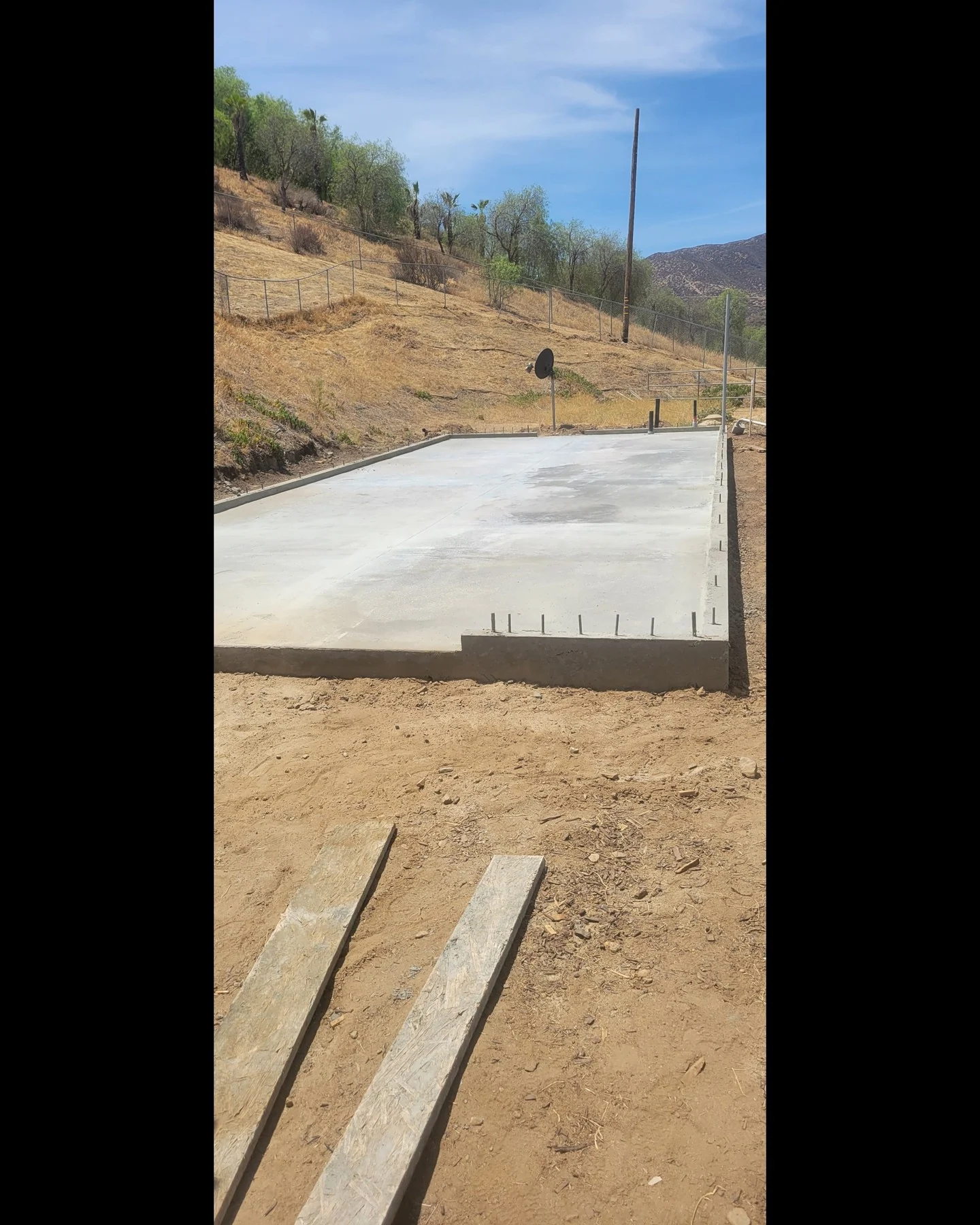
Poured once, done right
San Bernardino driveways, patios, foundations and repair work. Licensed 1137822, fourth generation, and straight about what a job actually needs.
Talk to us about the job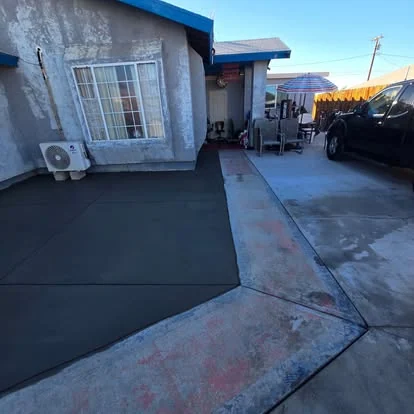
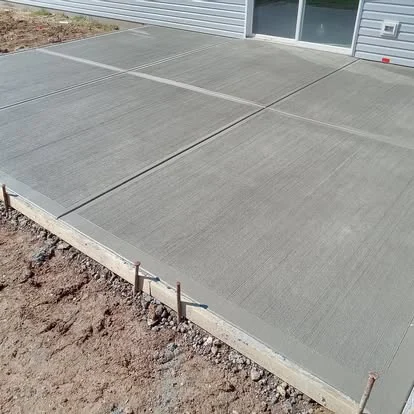
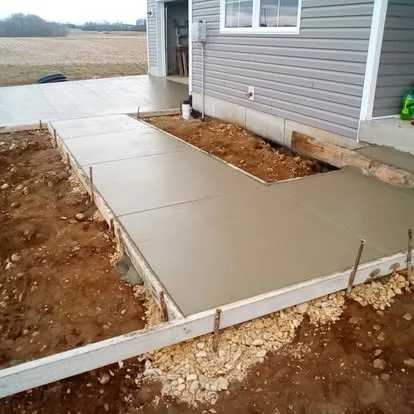
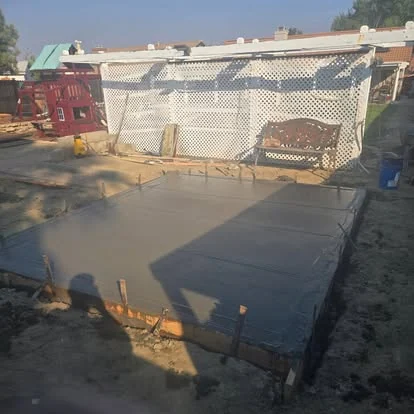
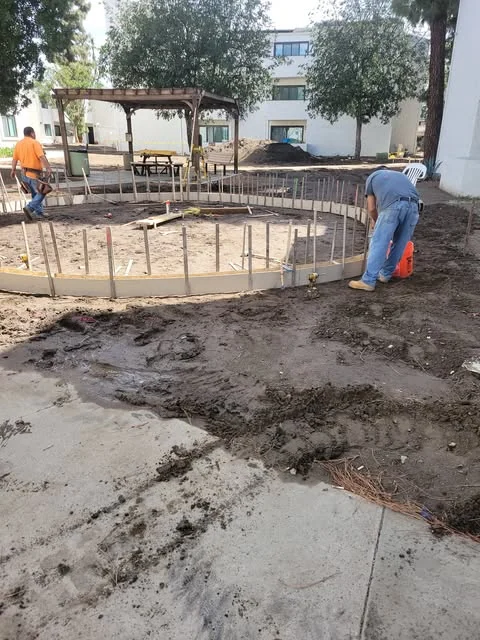
What concrete is up against around San Bernardino
Utilities under the slab
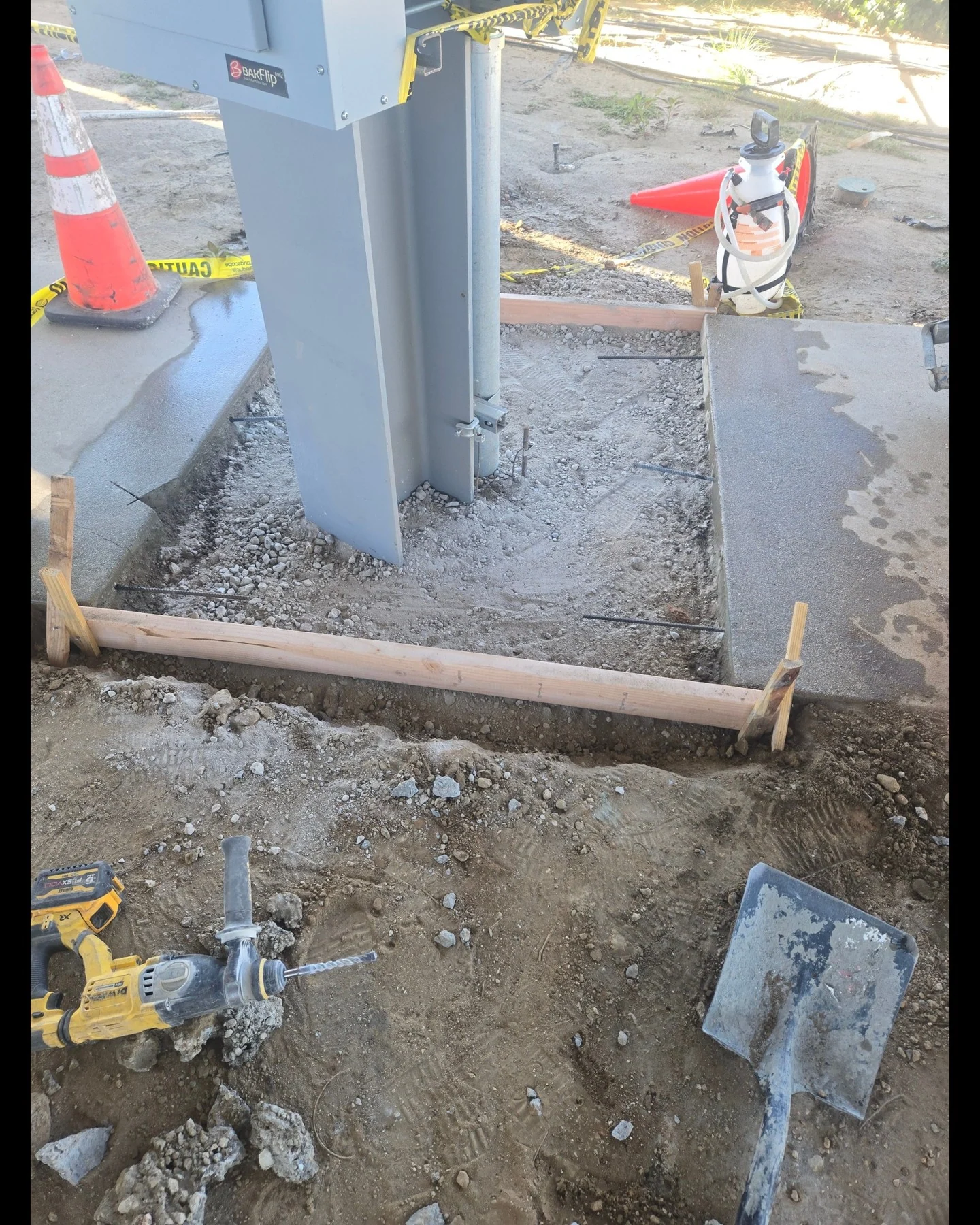
Older urban lots have utilities running in places no drawing records. Anything that gets cut or dug starts with locating, because finding a line with a saw is expensive.
Older slabs, older assumptions
A lot of concrete in these neighborhoods was poured decades ago, thinner than we would build now and with less steel. When it fails it is usually telling you about the base under it, not the mix.
Heat island on dark flatwork
Dense paving with no shade gets hot and stays hot, which means more thermal movement day to day. Joint layout accounts for it.
One crew start to finish
The same people who form it pour it and finish it. There is no handoff where the details get lost.
Cleanup is part of the job
Washout handled properly, spoil hauled, surfaces cleaned. Concrete work is messy while it happens and should be invisible when it is done.
Base first, always
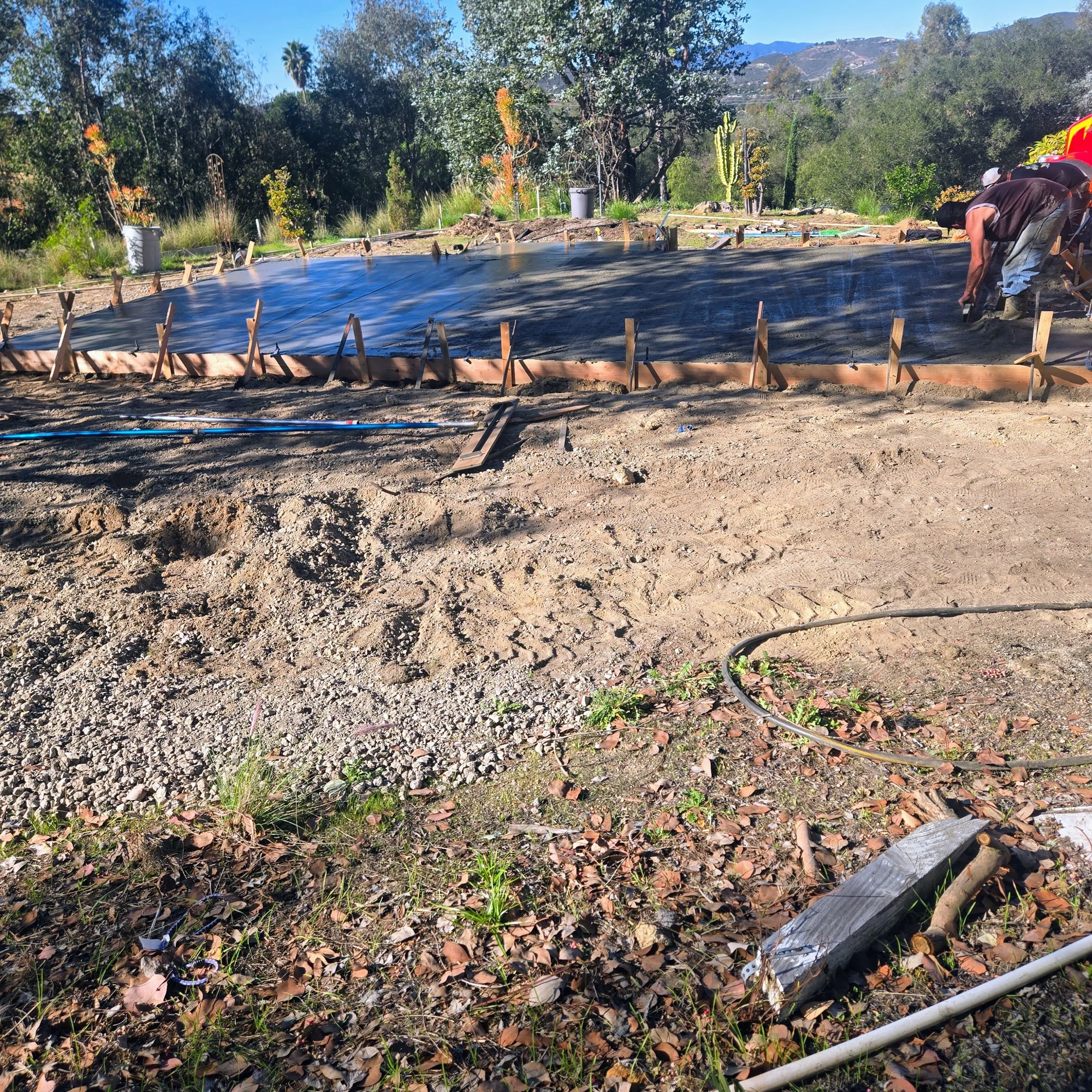
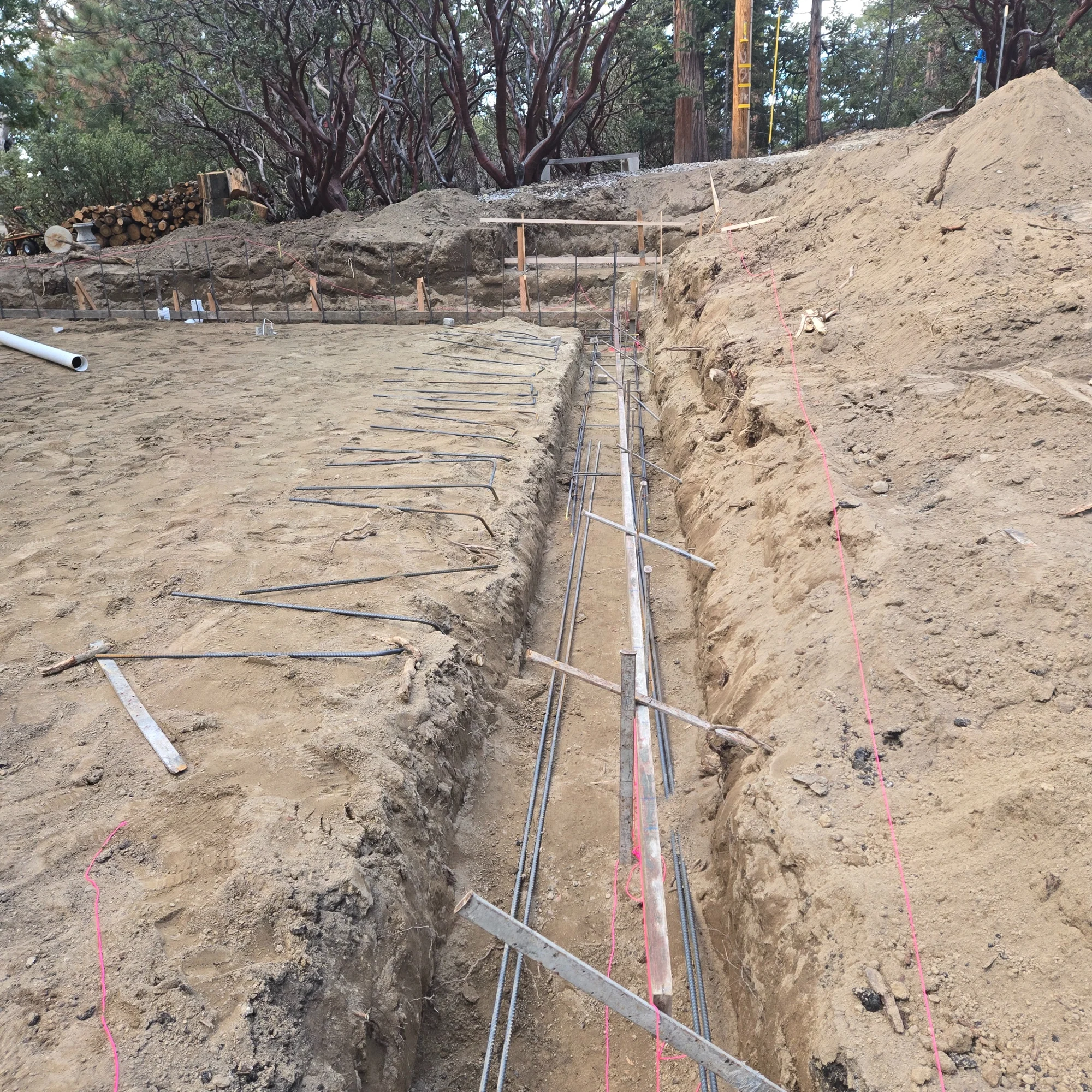
We cut to grade, fix the soft spots we find, and compact base in lifts before anything is formed. In expansive clay that step decides the whole outcome, so it is not where we save money.
What we build in San Bernardino
Concrete Stairs
A formed flight that carries load and holds its geometry.

Front Porches
The first slab anybody sees.
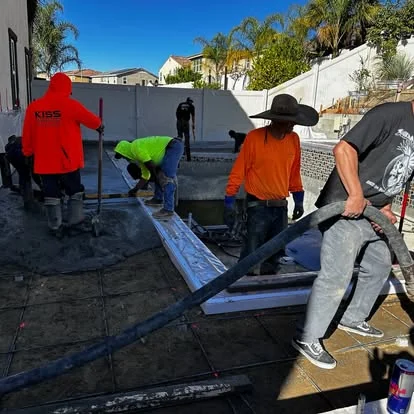
Back Porches
The slab that gets lived on.
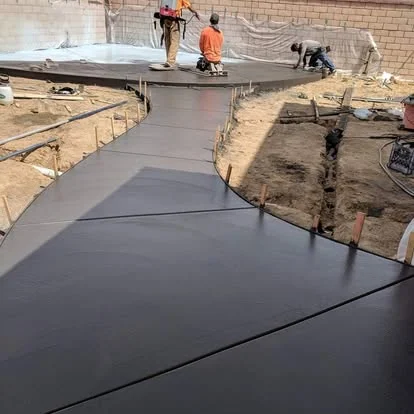
Concrete Courtyards
An enclosed slab where drainage has nowhere obvious to go.
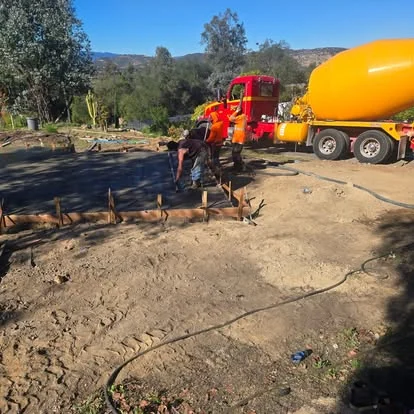
Concrete Slabs
The flat pour everything else is a version of.
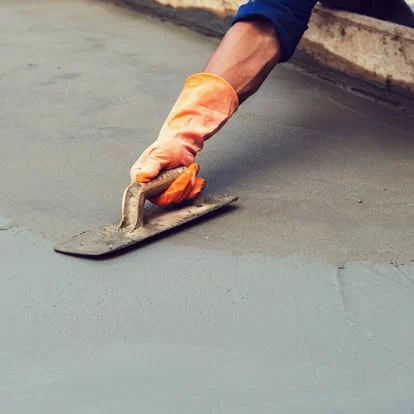
Concrete Slab Repair
Cracks and surface failure on a slab worth keeping.

Concrete Repair
Fix the concrete that is worth fixing.
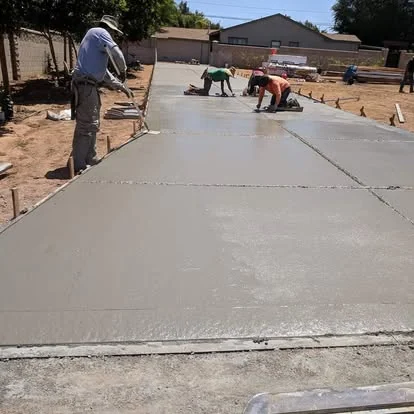
Concrete Crack Repair
Some cracks are cosmetic. Some are a message.
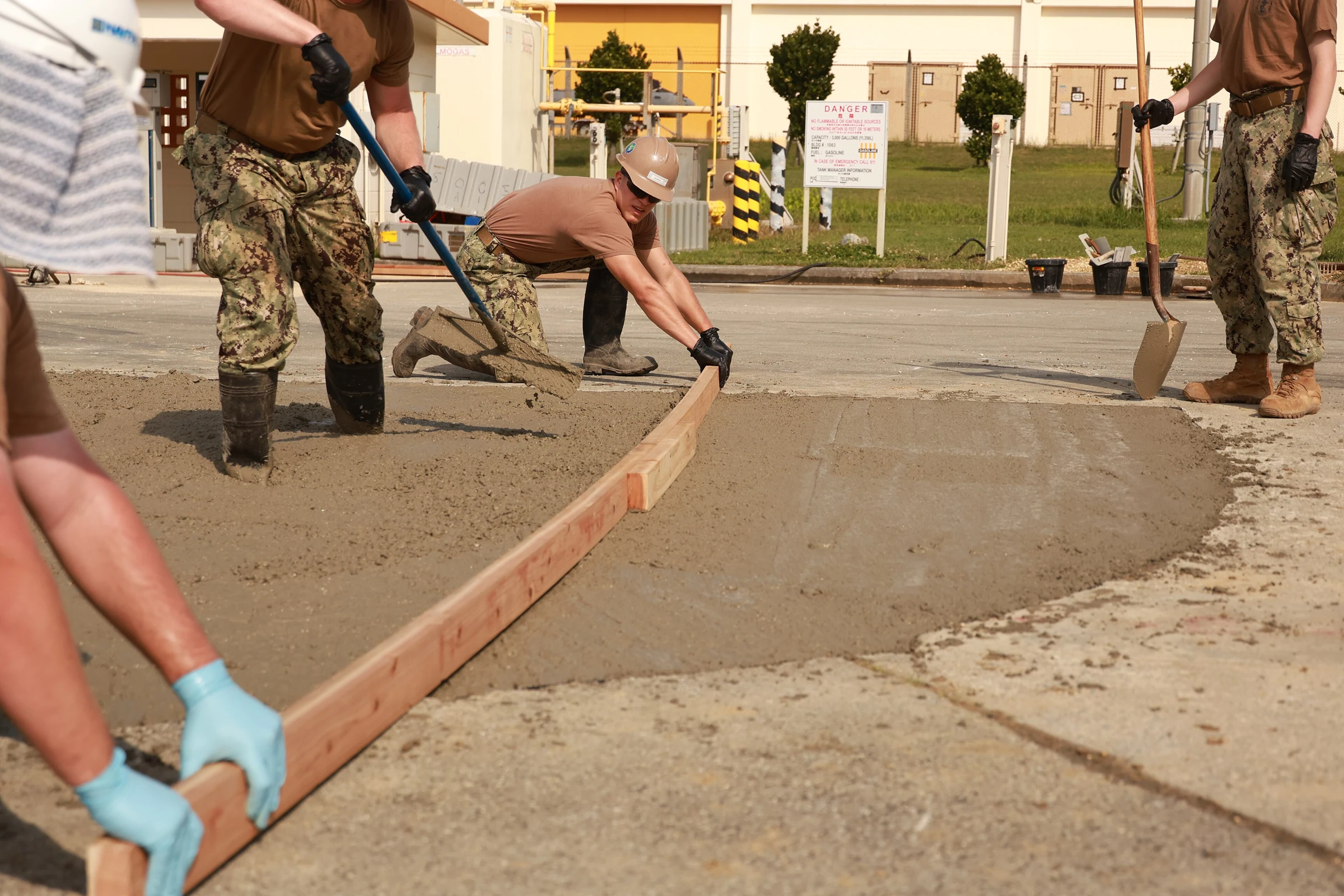
Spalled Concrete Repair
Surface flaking down to the aggregate.

Concrete Loading Docks
The most abused concrete on any commercial property.
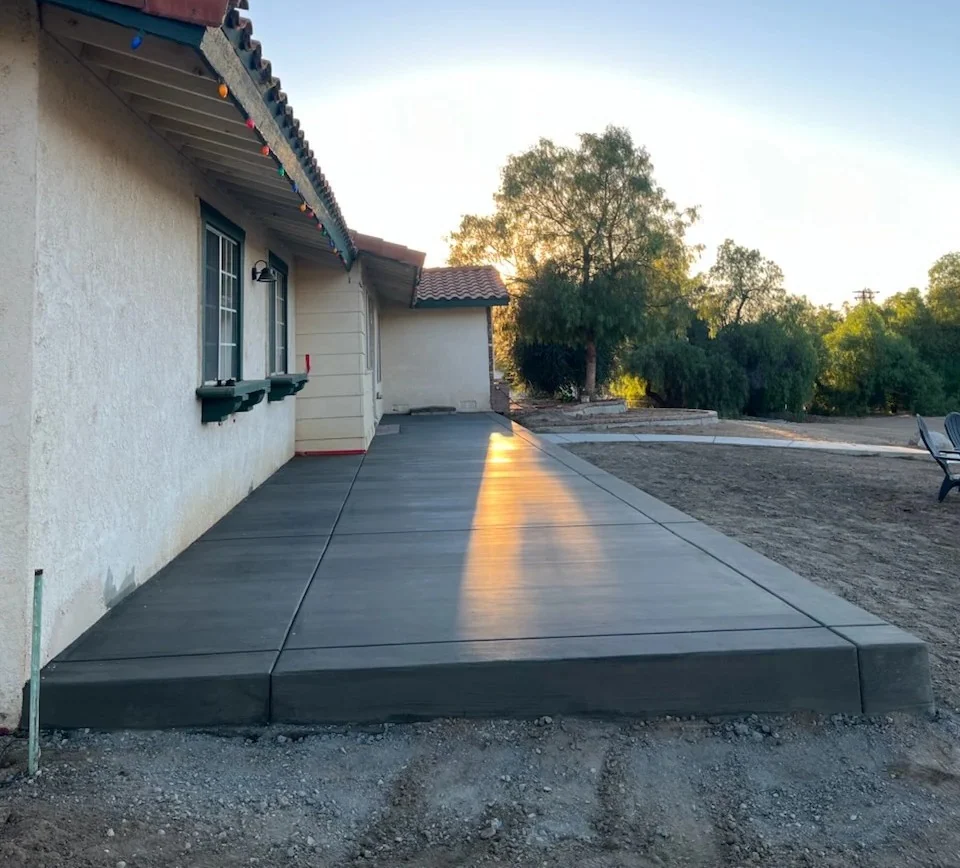
Dumpster Pads
A truck, a full bin, and the same spot every week.
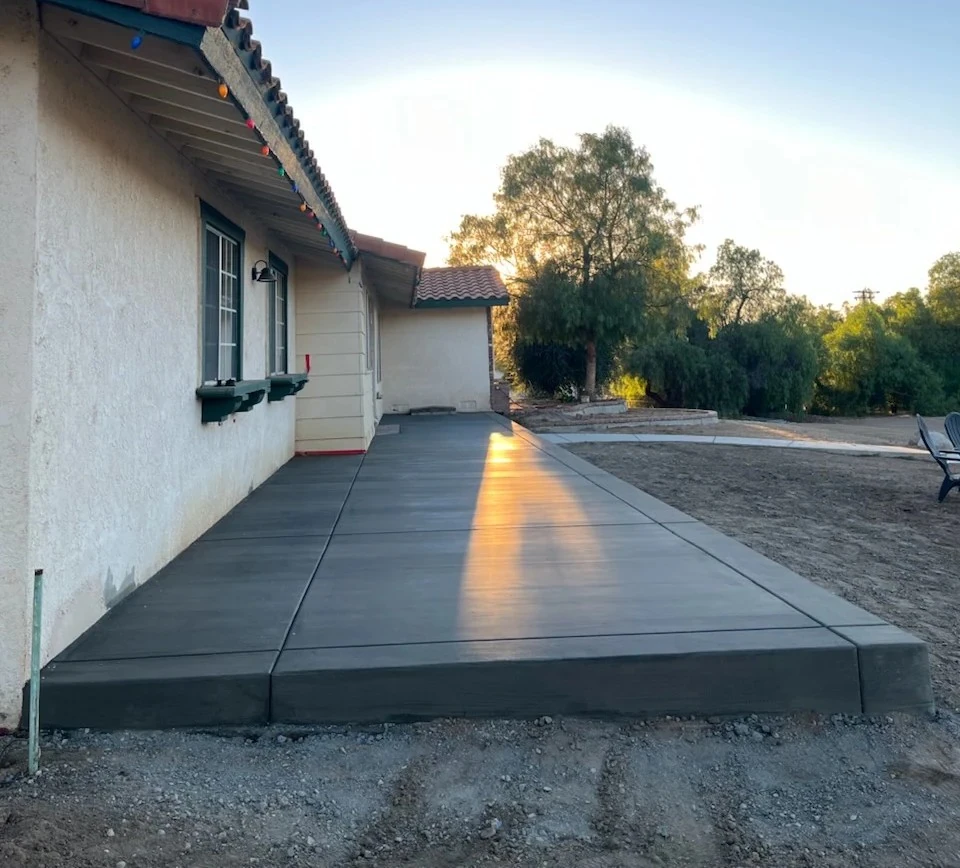
Equipment Pads
A level base for machinery that cannot move.
Pouring concrete around San Bernardino
Street trees and roots
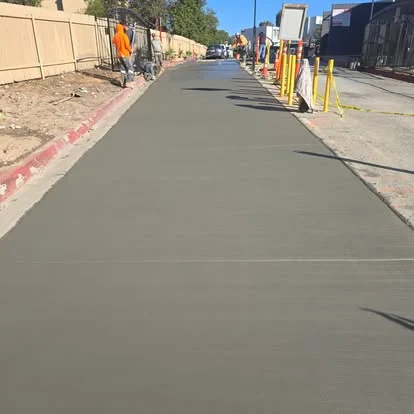
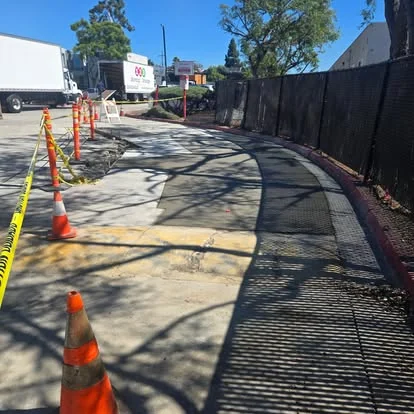
Mature trees lift sidewalks and driveways, and they will lift a new slab too unless the root is dealt with. Sometimes that means root pruning, sometimes rerouting the walk, sometimes a thicker slab with a root barrier. Replacing without addressing it just resets the clock.
Matching a run that stays
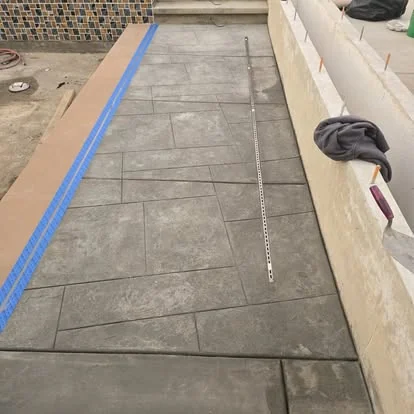
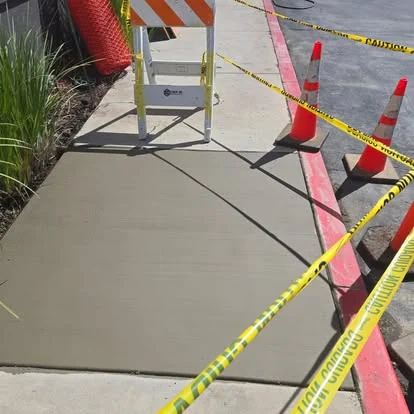
Replacing part of a walk or drive means matching thickness, finish and joint pattern to what remains, so the result reads as one surface rather than a patch. Color takes time to blend as concrete ages and we will be straight about that up front.
Older slabs and older assumptions
Much of the concrete in these neighborhoods was poured decades ago, thinner than we would build now and with lighter reinforcement over a base nobody tested. When it fails it is usually reporting on what is underneath, which is why we look at the cause before quoting the cure.
Access and staging
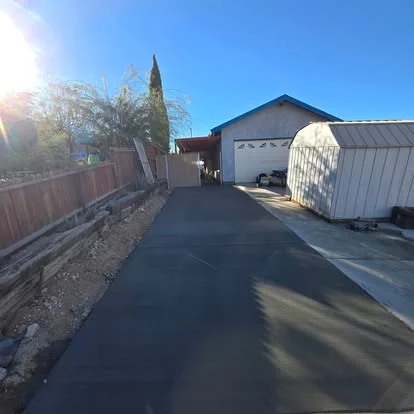
Dense lots mean narrow drives, alley access, parked cars and nowhere obvious to put a truck. Getting concrete to the pour is often harder than the pour itself, so access is worked out before the date is set, including whether the job needs a pump.
Concrete work around San Bernardino
Flatwork, foundations and repair across San Bernardino and the rest of San Bernardino County, poured by the same crew that answers the phone.
How concrete fails, and why
Cracks along a plumbing run
A trench under a slab that was not compacted is a soft line, and the slab cracks along it. Compaction in the trench matters as much as in the open.
Glazed surfaces that are slippery when wet
Over-troweling closes the surface to a polish. Indoors that can be a choice; on an exterior walk it is a hazard.
Deterioration under planters
Soil and constant moisture held against concrete leaches it and stains it. Anything permanently wet against a slab shortens its life.
Repairs that do not match
A repair poured with a different mix, finished differently, or cured differently will always read as a patch. Matching the finish and joint pattern is part of the job.
How a job runs
Getting a number
We walk the job, measure, and quote what it needs. No number goes out on a photograph and nothing gets quoted thin to win it.
How long it takes
Most residential flatwork is a few days from demolition to pour, plus curing. Structural work runs longer because of inspections.
Once the slab is down, the drainage is permanent.On grading
Who is on site
The same crew that forms it pours it and finishes it. There is no handoff where the details get lost.
Afterwards
Sealing, joint maintenance, and keeping water off it are the things that decide whether you get twenty years or forty.
Around San Bernardino
Straight answers
How long before I can park on it?
Foot traffic a day or two, vehicles longer. You get the real number for your pour.
Can you get a truck to my property?
That gets worked out before the date is set. Narrow drives, alley access and parked cars all decide whether the concrete arrives by chute or by pump.
How loud and disruptive is it?
Saw cutting and breaking concrete is loud and it is usually the first day. We will tell you which days those are so you can plan around them.
Am I liable for a lifted panel out front?
Generally the property owner carries that risk on a public walk, which is why grinding a lip or replacing a panel is cheap next to a claim.
My sidewalk is lifted by a tree root. What are the options?
Grinding the lip removes the trip hazard; cutting and repouring the panel fixes the surface. Neither lasts unless the root is addressed, which can mean pruning, a root barrier or rerouting the walk.
Start with a site visit
No number goes out on a photograph. We come to San Bernardino, look at the ground and the access, and price the work from that.