
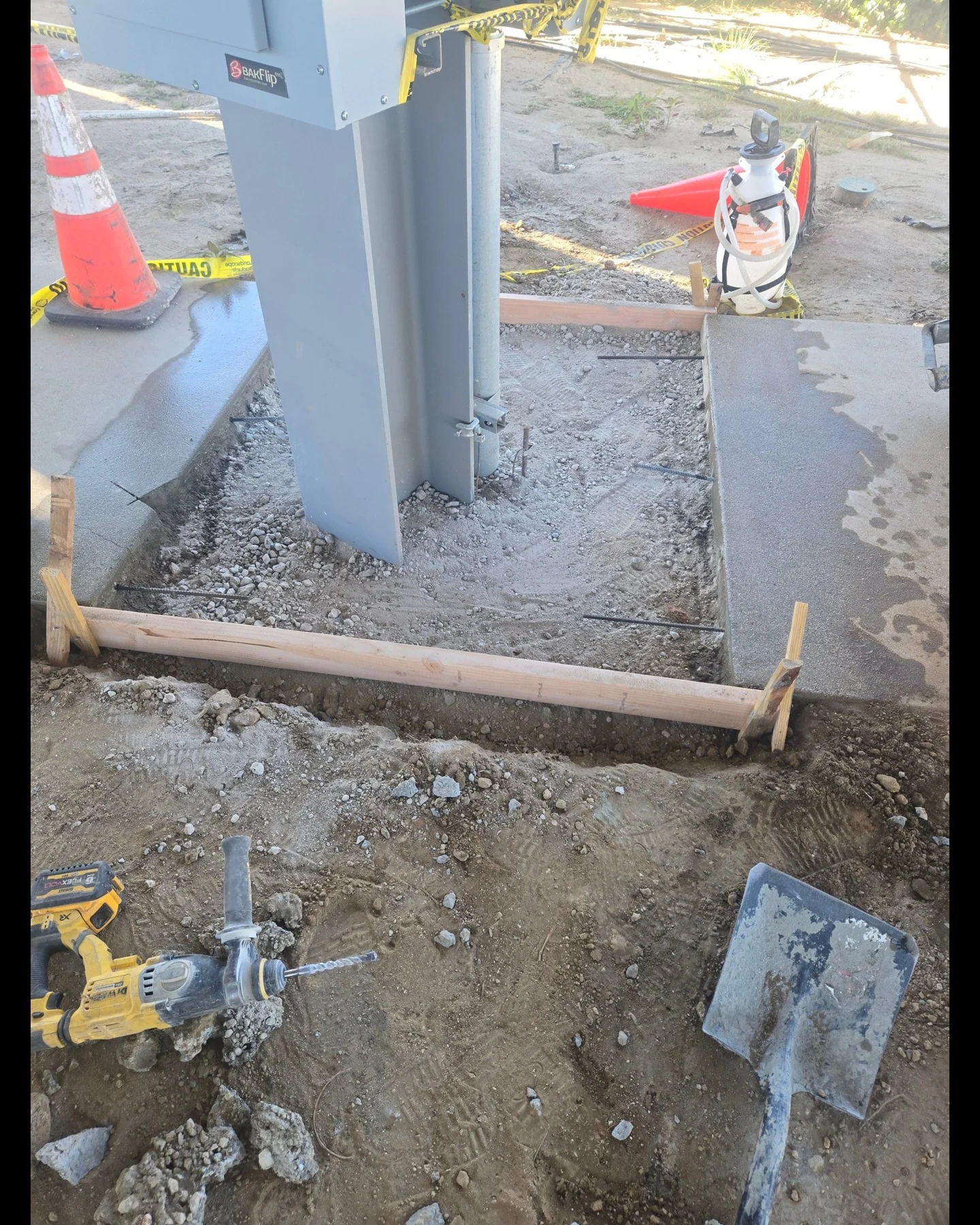
Irvine slabs, built from the base up
Most concrete fails from underneath, so that is where we start. Serving Irvine and Orange County with 32 years in the trade behind every pour.
Talk to us about the job




What concrete is up against around Irvine
Old slabs and new ones together
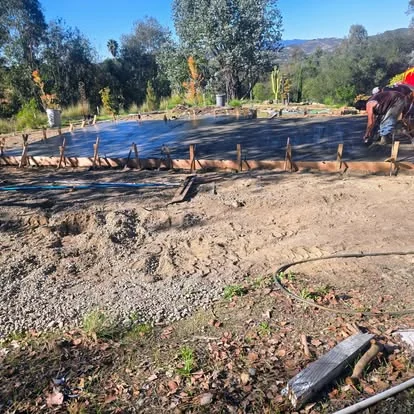
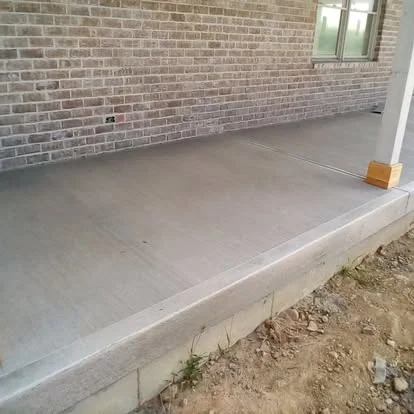
A new pour tied hard to an old slab will crack at the joint, because the two will never move the same. They get isolated on purpose so each one can do what it wants.
Curing in dry heat
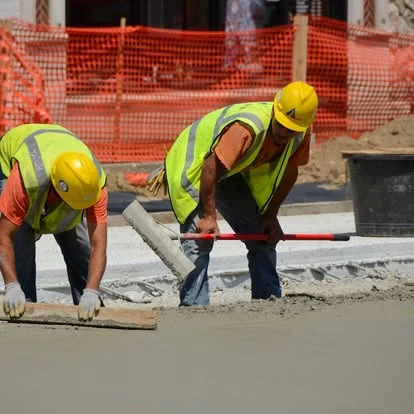
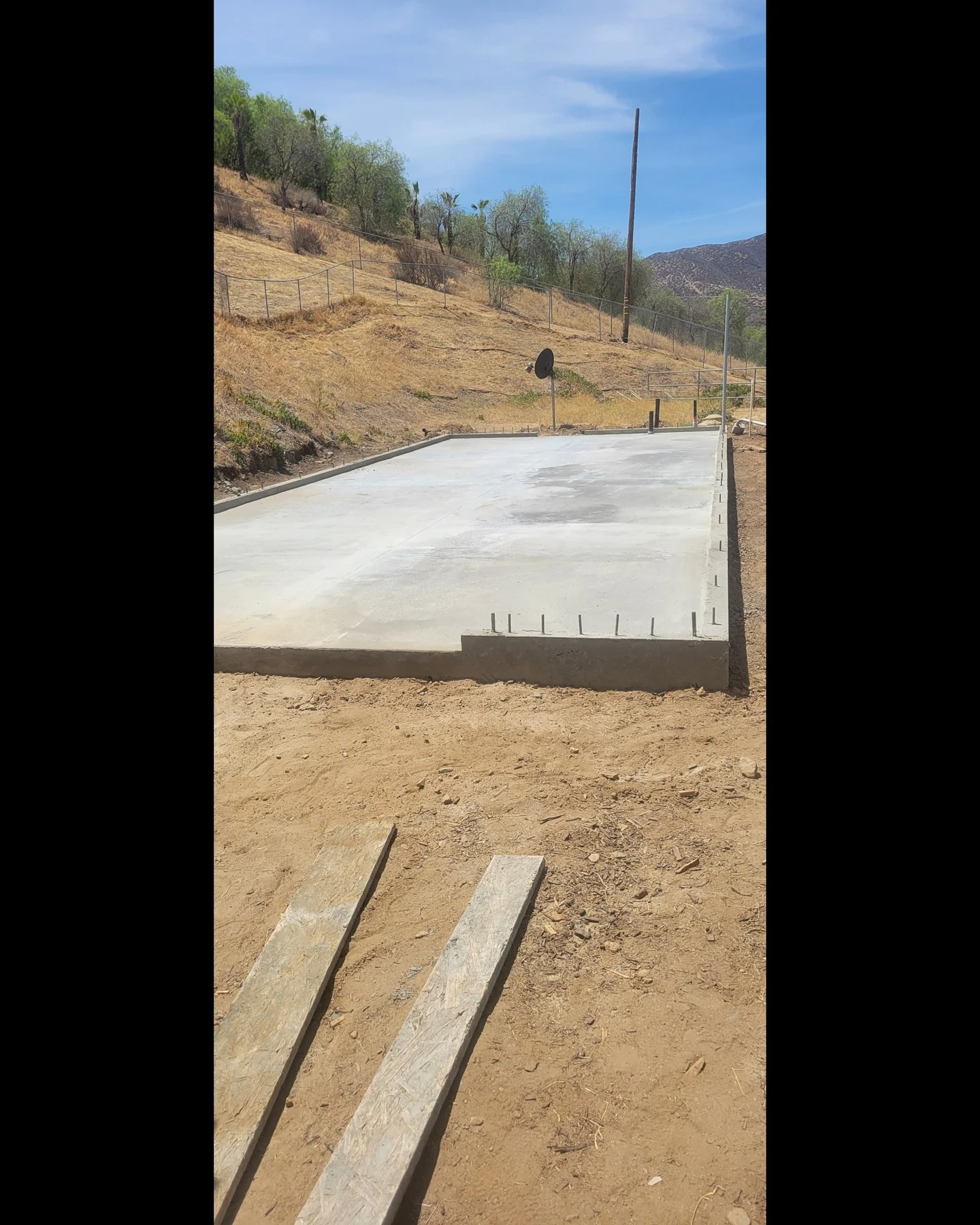
Low humidity and wind pull water out of a fresh slab faster than the concrete can use it. That is surface crazing and a weak top layer. Curing is an active step here, not something that just happens.
Clay that moves with the season
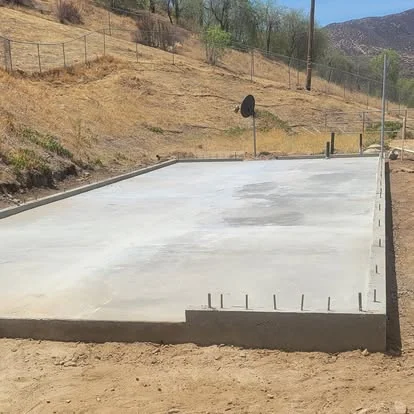
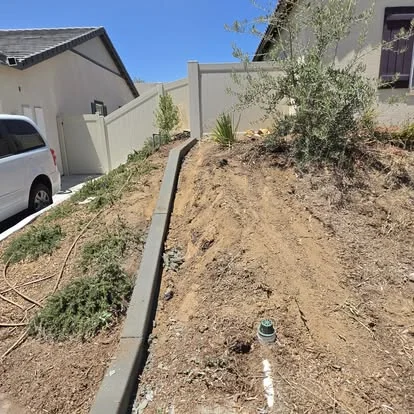
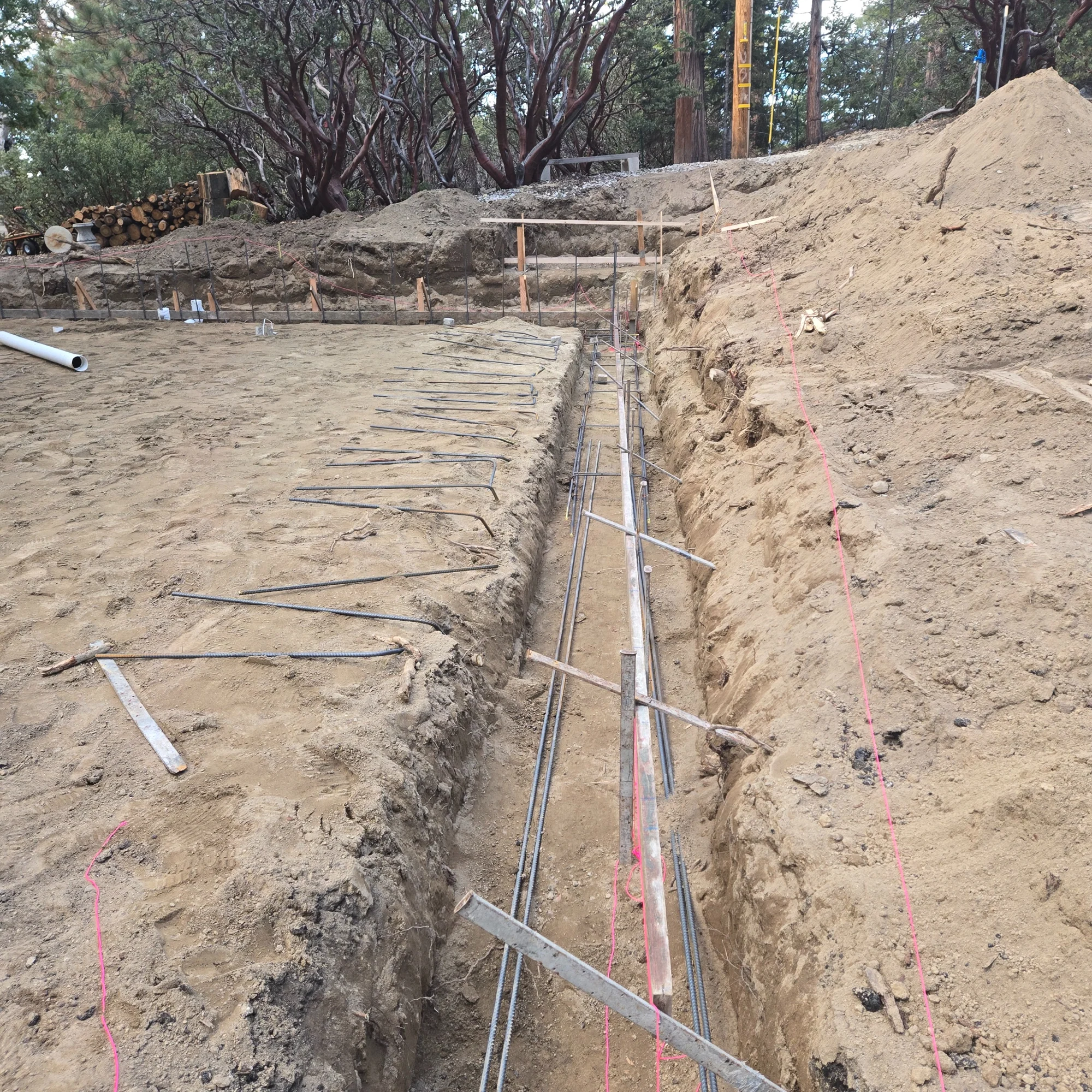
The soil through the San Jacinto Valley is expansive. It swells when it gets water and shrinks back when it dries, and it does that every year. A slab poured on untreated clay rides that movement until it cracks. The fix is in the base and the steel, decided before anybody orders concrete.
Joints planned on paper
Joint layout gets worked out before the pour, spaced to the thickness and placed where the slab wants to move anyway. Then it gets cut at the right time.
Cleanup is part of the job
Washout handled properly, spoil hauled, surfaces cleaned. Concrete work is messy while it happens and should be invisible when it is done.
Water routed off the slab
Slopes, low points and a path for water to leave are set before the pour, because afterward the drainage is permanent.
What we build in Irvine
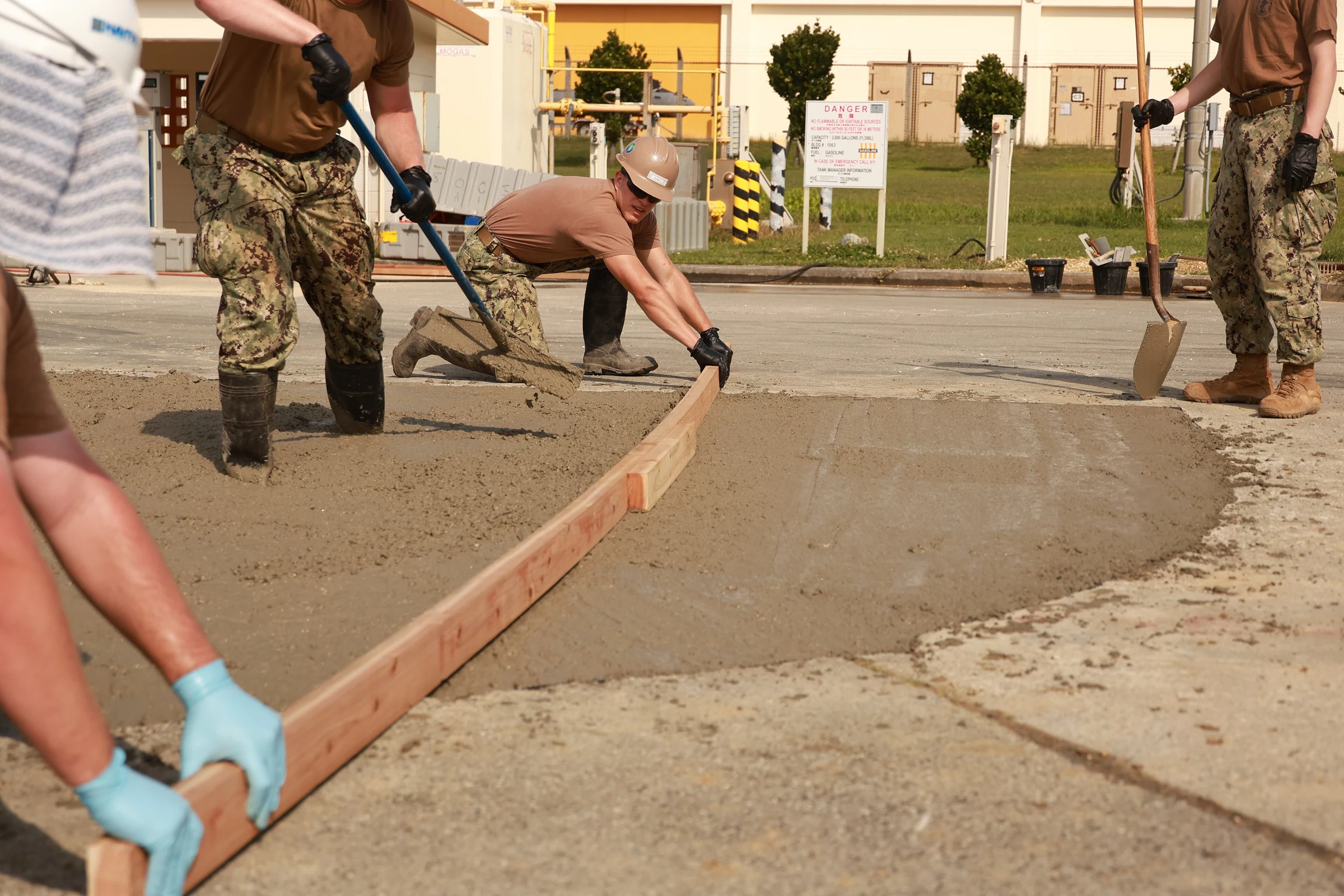
Boat Pads
Trailer tongue weight and a slab that has to stay level.

Parking Pads
Extra parking that is not the driveway.
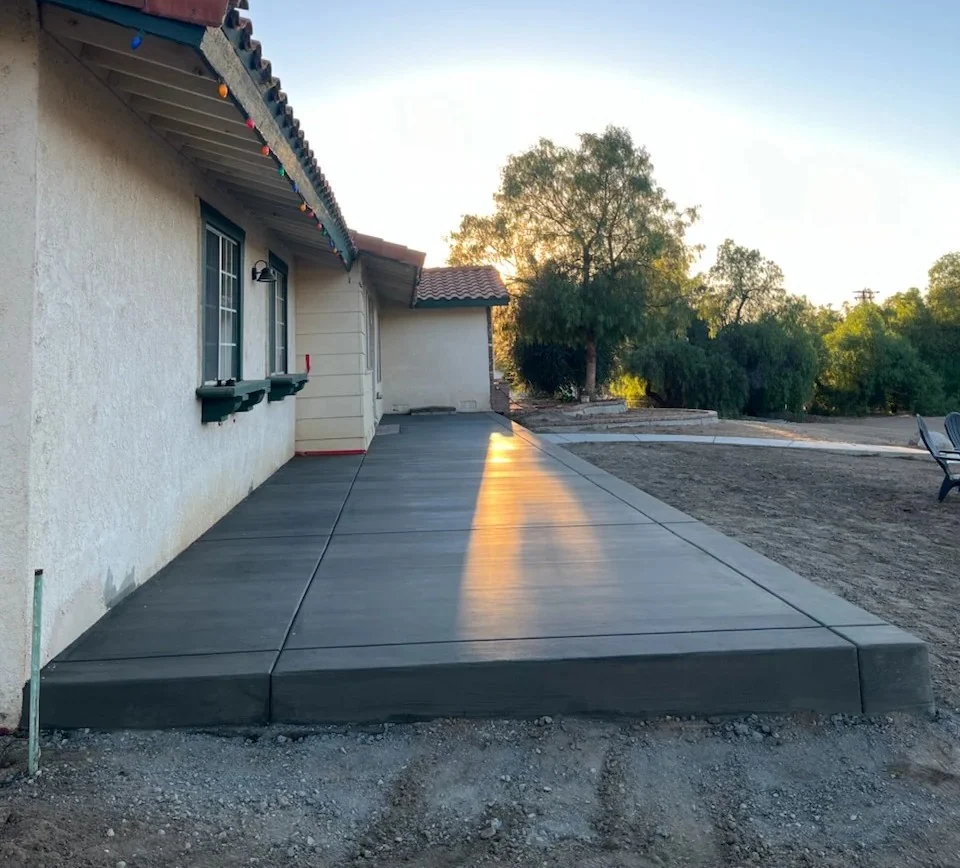
Concrete Pool Decks
Wet feet, chemicals, and sun all year.
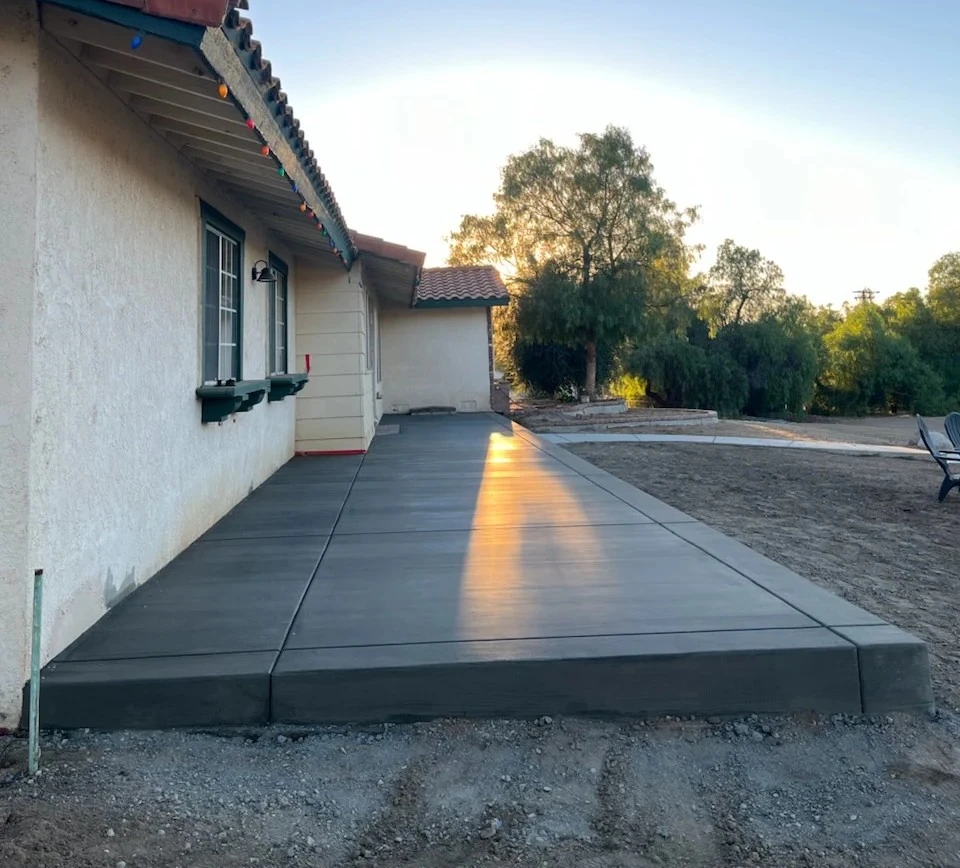
Concrete Pads
A pad sized to the thing that is going on it.
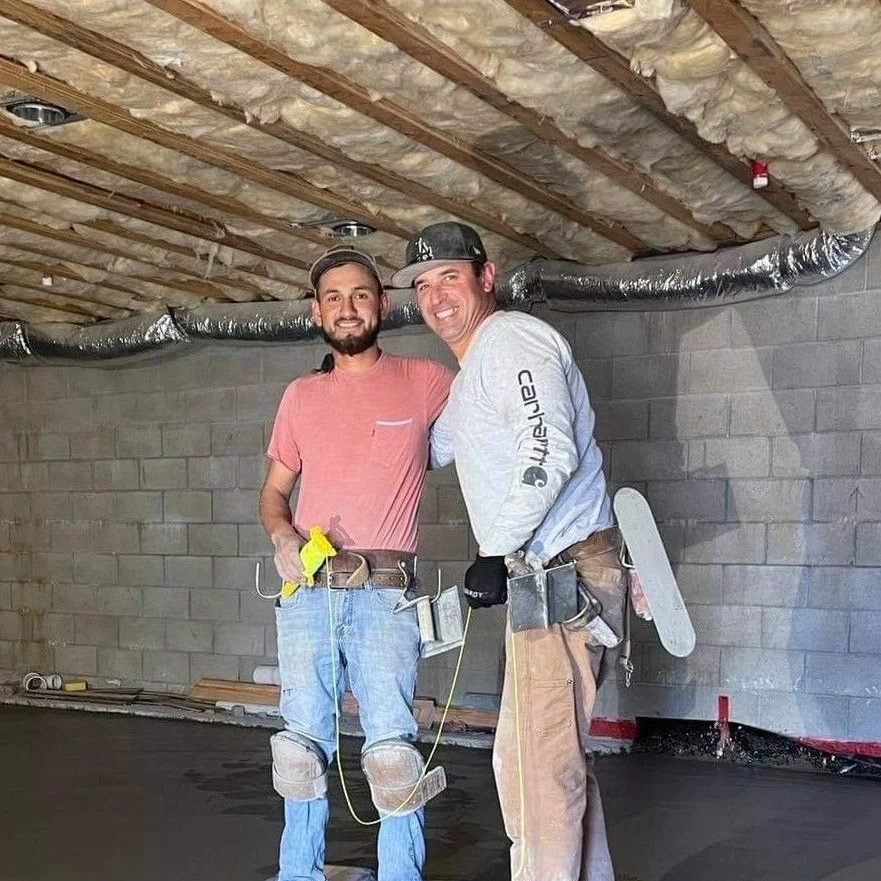
Residential Concrete Flatwork
All the flat concrete around a house, done by one crew.
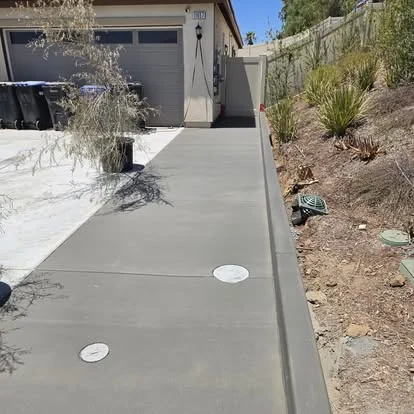
Backyard Concrete
The whole back of the property, planned as one pour.
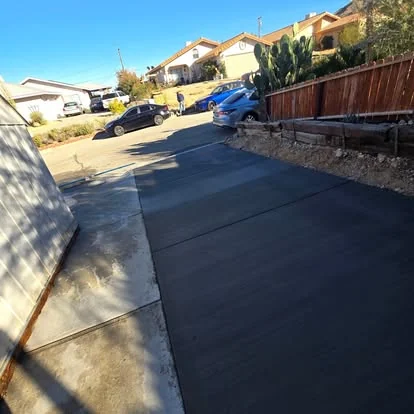
Concrete Joint Repair
The joints fail before the concrete does.
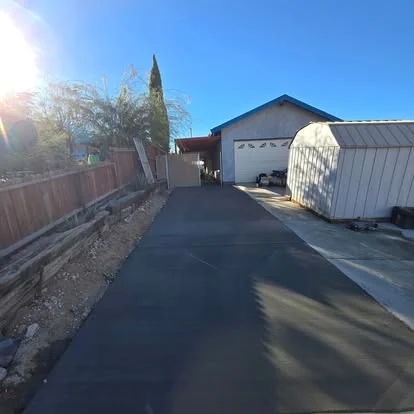
Concrete Resurfacing
A new surface on a sound slab.
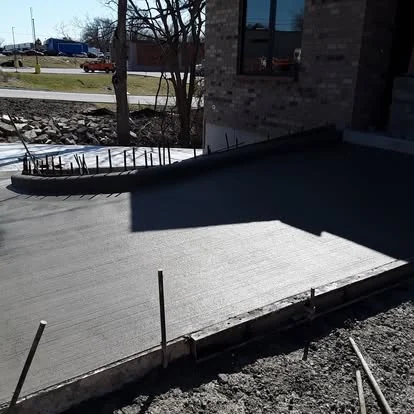
Concrete Leveling
Lifting a slab back to where it started.
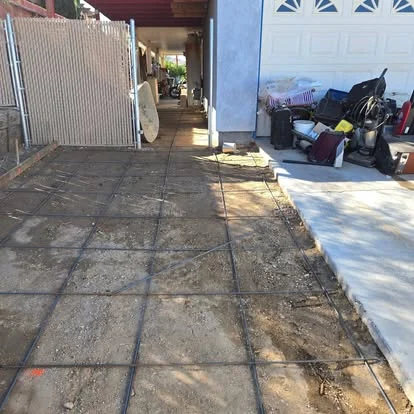
ADA Concrete Ramps
Built to the slope the tape measure will confirm.
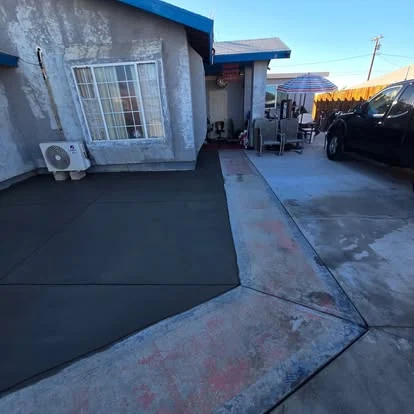
ADA Sidewalks
Accessible routes that hold their tolerances.
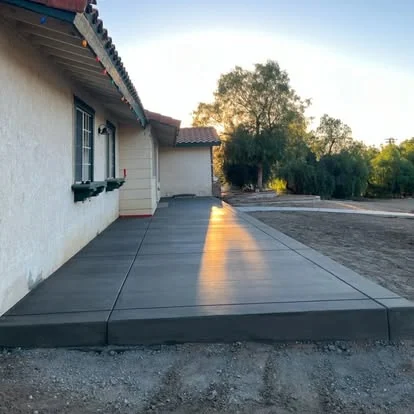
Warehouse Floors
Flat enough for racking and hard wheels.
Pouring concrete around Irvine
Older flatwork around here
A lot of valley concrete was poured thin, with light reinforcement, on a base that was never properly compacted. When it fails it is usually reporting on the ground rather than on the mix, and that is the difference between a repair that holds and one that comes back in a year.
Drainage on a flat lot
Valley lots are often close to level, which makes slope hard to find and easy to get wrong. Low points, cross-fall and where water actually leaves the property get worked out before the pour, because once the concrete is down the drainage is permanent.
What lasts here
A properly based, properly jointed slab with reinforcement sized to the load will outlast the house it sits beside. The variables that decide it are all underneath and all invisible once the pour is done, which is exactly why they get cut on cheap jobs.
What the ground does here
The inland valleys run on expansive clay. It takes on water and swells, then dries out and shrinks, and it does that cycle every year. A slab poured on untreated clay rides that movement until something gives, which is why base preparation and reinforcement are the design rather than an upgrade. Where a soils report exists we build to it; where there is none, what we find during excavation tells us what the ground is going to do.
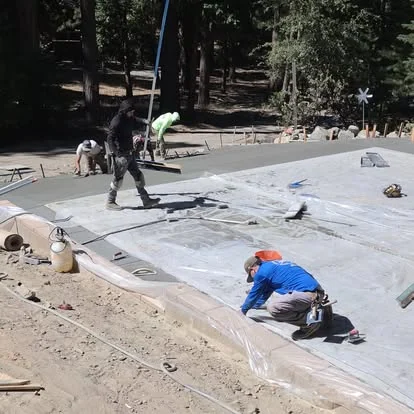
Concrete work around Irvine
Flatwork, foundations and repair across Irvine and the rest of Orange County, poured by the same crew that answers the phone.
How concrete fails, and why
Failure at a cold joint
Where one pour met another and was not detailed, the two never bonded and the line opens. Planned cold joints are fine; accidental ones are a leak path and a crack.
Curling at the edges
Slab edges lifting off the base happens when the top dries faster than the bottom. It shows as a hollow sound near joints and it is a curing and moisture-gradient issue.
Scaling in freeze zones
Surface peeling in sheets, common at elevation and in the high desert, is freeze damage in concrete that was not air entrained or was sealed too late.
Blisters
Raised bubbles under a finished surface mean the top was closed while air or water was still coming up. They break under traffic and leave holes.
How a job runs
Before we start
You get told what is being built, how long the concrete is unusable, and where the truck and the crew will be. Access gets sorted before the day, not on it.
The day of the pour
Concrete arrives on a schedule and does not wait. The crew works to the material, which means the pour is not a good day to renegotiate the scope.
The honest answer is sometimes the cheaper one.On quoting
After the pour
Foot traffic usually after a day or so, vehicles longer. You get the real numbers for your slab, because thickness and weather both change them.
The first month
Concrete keeps gaining strength for weeks. Hairline shrinkage cracking in that window is normal and is not a failure. Anything that worries you, call and we will look.
Around Irvine
Straight answers
Does the clay soil here really matter that much?
Yes. Expansive clay swells with water and shrinks when it dries, every year. That movement is what cracks slabs and foundations, and it is handled in the base, the reinforcement and the drainage rather than in the finish.
Can you pour in the middle of summer?
We do, and we start early. Triple digit afternoons stiffen the mix before it can be finished and pull water out of the slab, so hot weather pours get scheduled, mixed and cured differently. Sometimes the right answer is moving the date.
Do you handle the demolition and haul-off?
Yes. Saw cutting to a clean line, breaking out, loading and hauling is part of the job, and we protect what stays and leave the ground ready for the new pour.
How thick should my driveway be?
It comes off what parks on it. A passenger car drive and one carrying a loaded work truck or an RV are not the same slab, and the wheel path is where a thin one cracks first.
What maintenance does concrete actually need?
Keep water moving off it, reseal when it needs it, and keep the joints maintained. Water is the common factor in nearly every concrete failure, so those three things buy years.
Pouring in Irvine
We would rather stand on the job than guess at it. Call and we will set a time to come and look.