
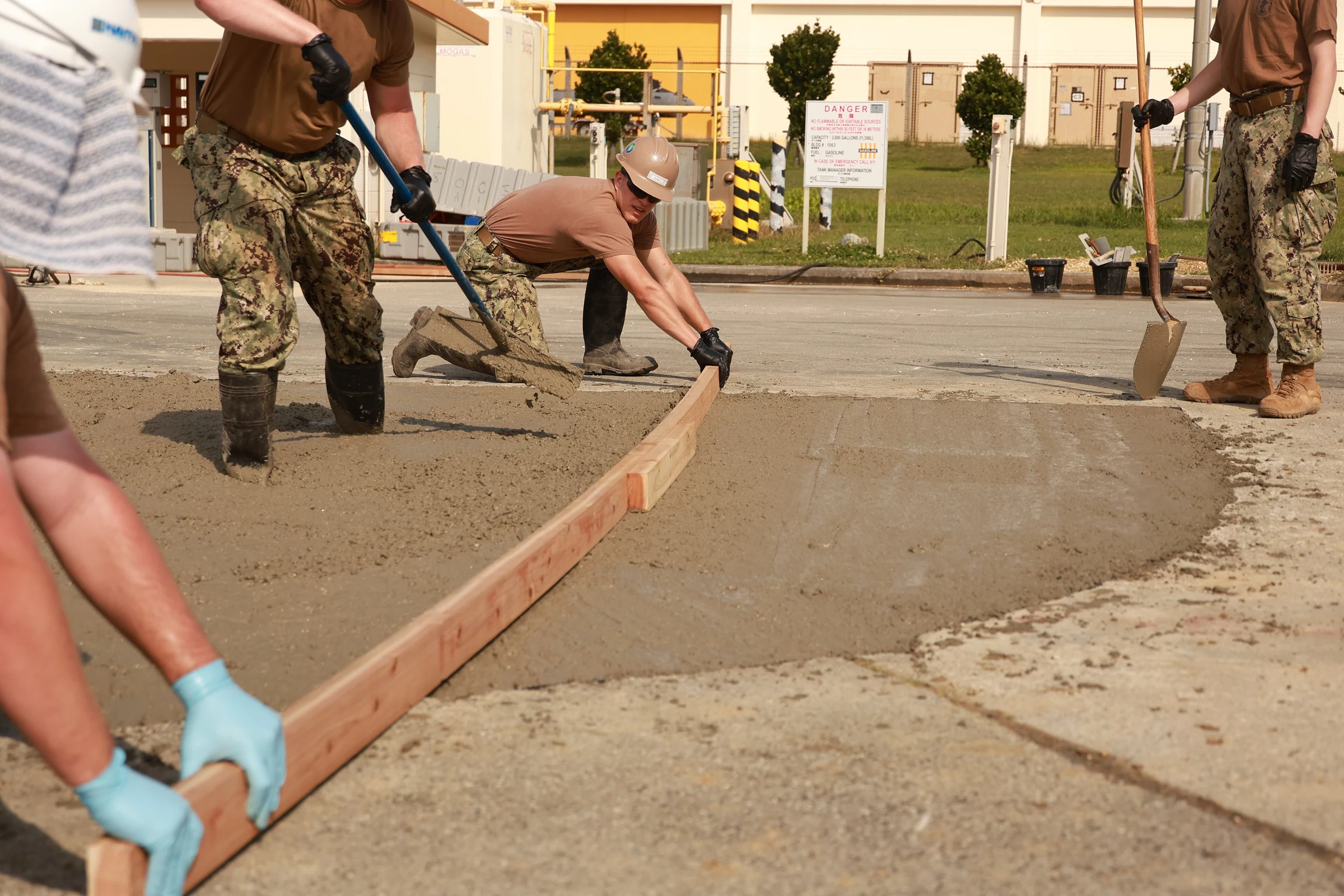
Concrete that outlasts the house
Driveways, patios, slabs and foundations for Acton property owners. Fourth generation on the tools, licensed 1137822, working out of Hemet.
Talk to us about the job


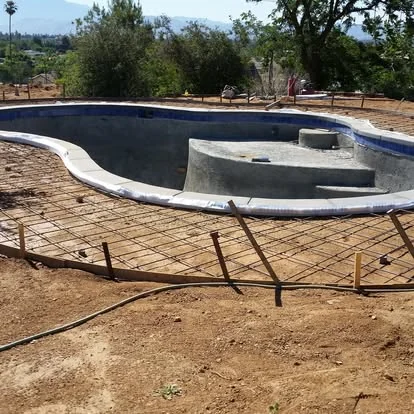
What concrete is up against around Acton
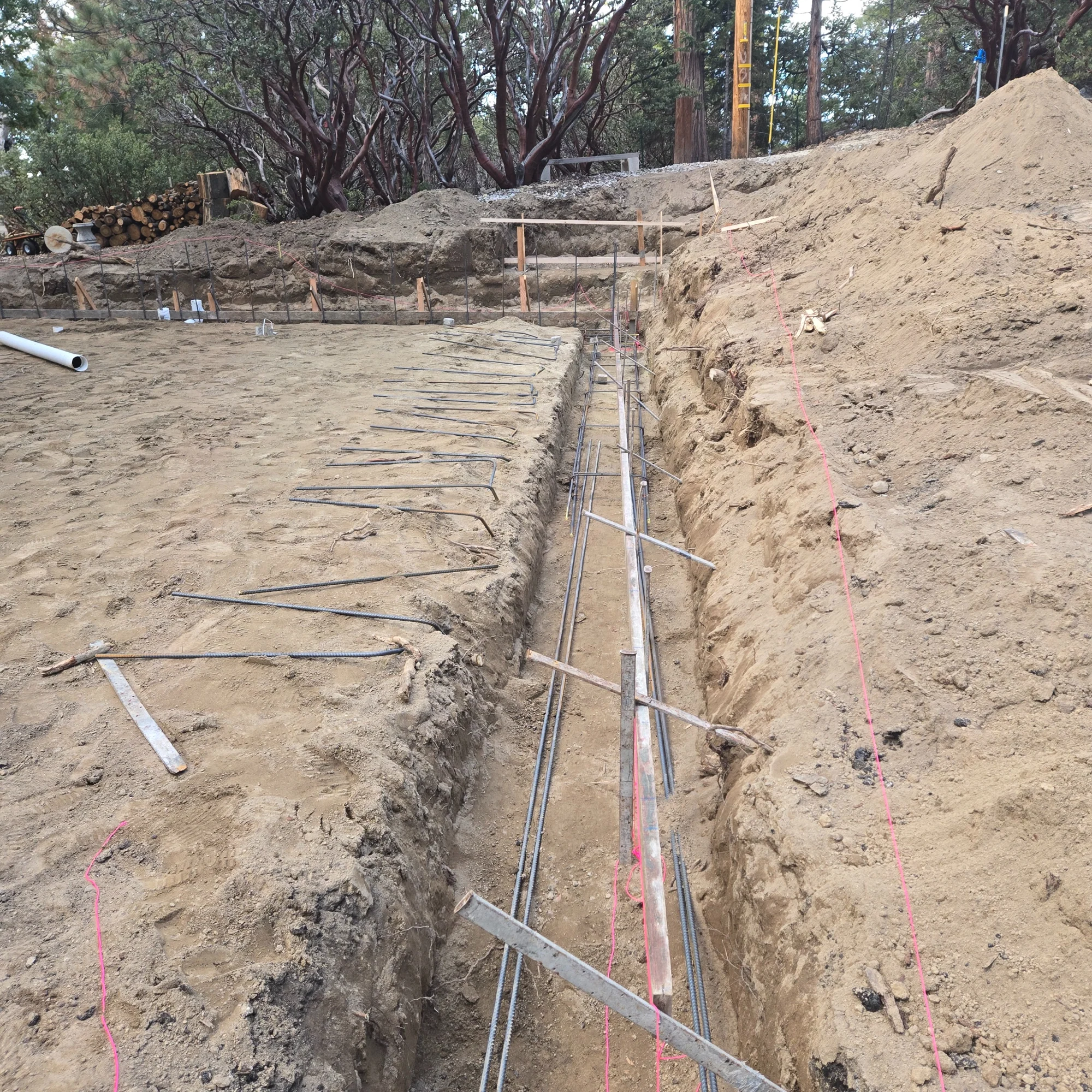
Sealing actually matters here
Where freeze cycling is real, keeping water out of the pores is the difference between a slab that lasts and one that spalls. Sealing is maintenance that pays for itself at this elevation.
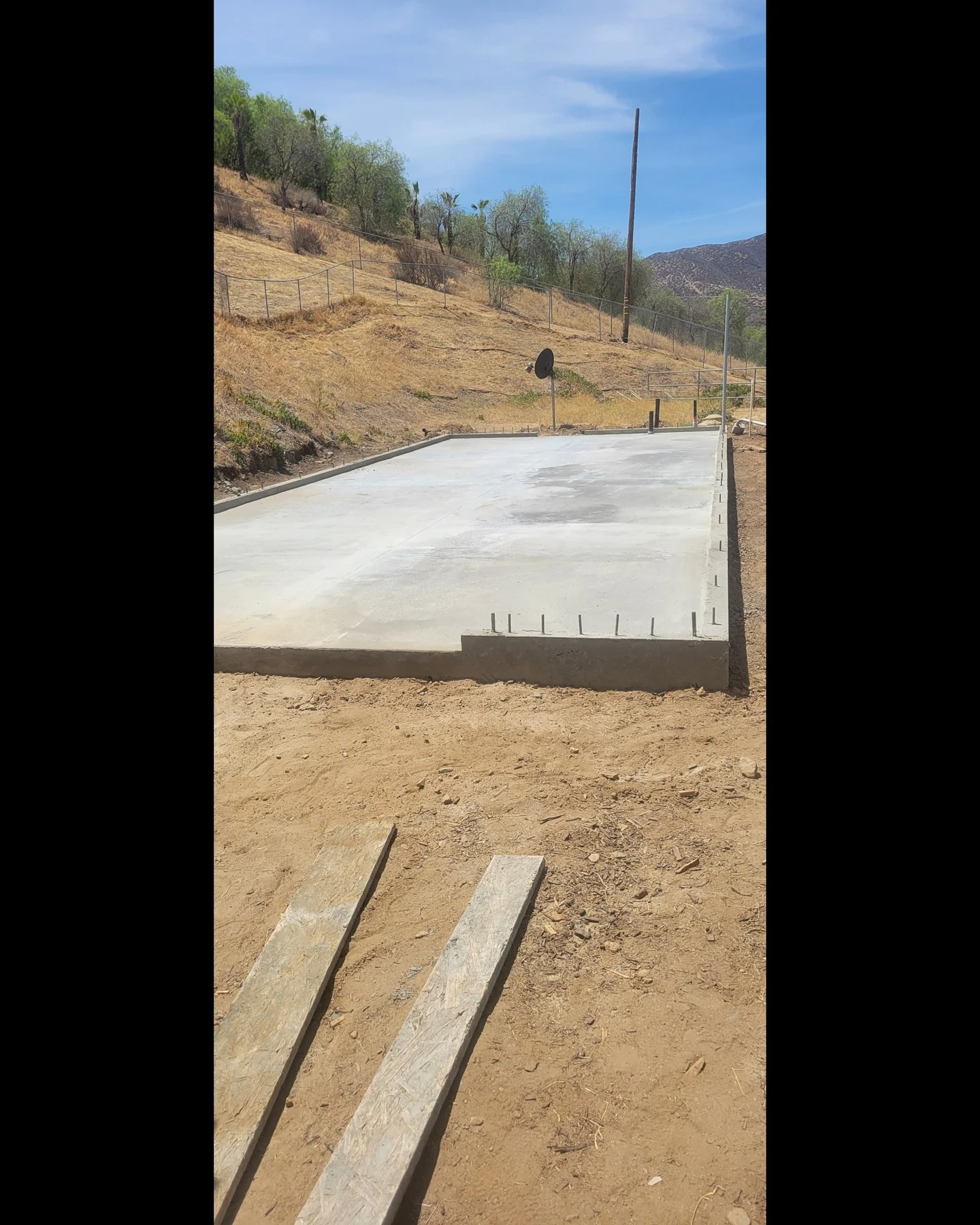
Heat and cold in the same year
High desert concrete takes triple digit summers and hard freezes in the same twelve months. It has to be designed for both, which means air entrainment where it matters and joints that allow real movement.
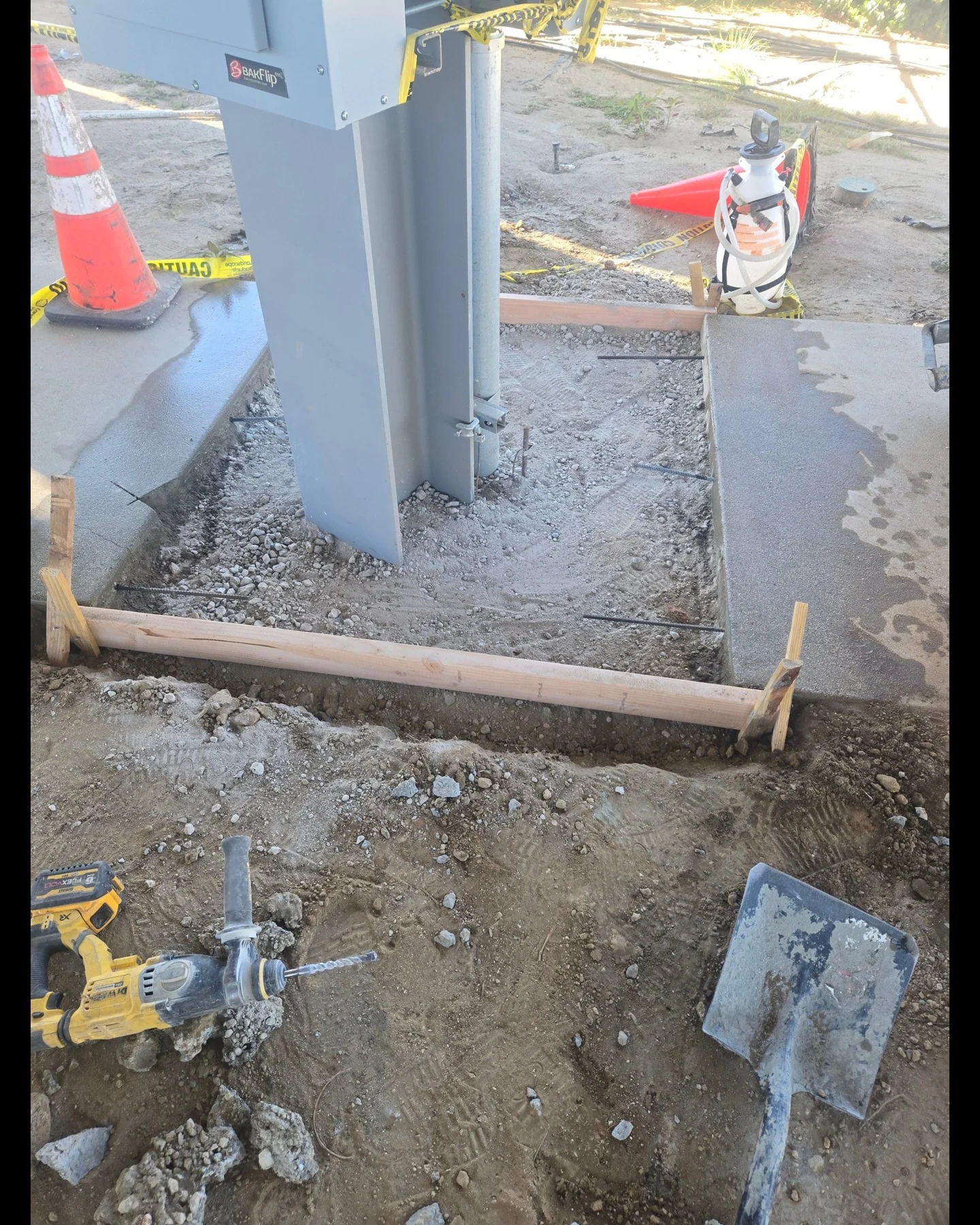
Wind and the finishing window
Sustained wind pulls water out of a fresh slab fast. Combined with low humidity it can close the finishing window early and leave a crazed surface. Pours get planned around the forecast.
One crew start to finish
The same people who form it pour it and finish it. There is no handoff where the details get lost.
Honest diagnosis before a number
We look at what failed and why before quoting. Sometimes the answer is a repair and sometimes it is a rebuild, and we will tell you which even when the smaller job is ours to lose.
Pours scheduled to the heat
In summer we start early and keep the mix and the crew ahead of the temperature. Concrete does not wait for anybody.
What we build in Acton
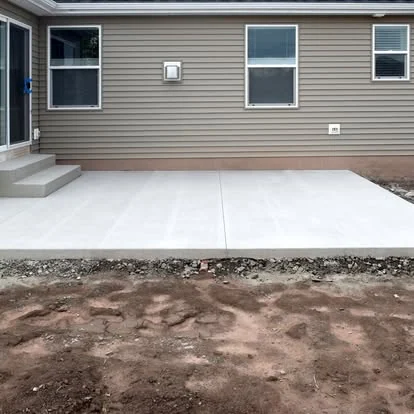
RV Pads
Heavy, concentrated, parked in one place for months.
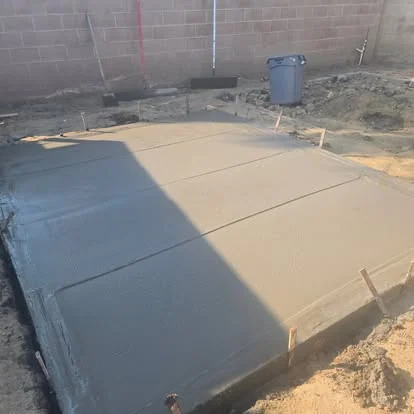
Boat Pads
Trailer tongue weight and a slab that has to stay level.
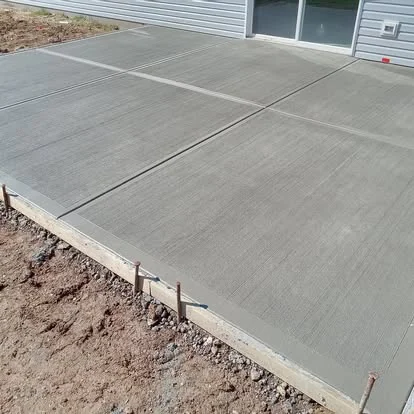
Parking Pads
Extra parking that is not the driveway.
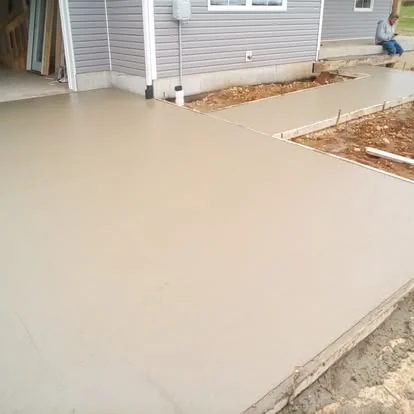
Concrete Pool Decks
Wet feet, chemicals, and sun all year.
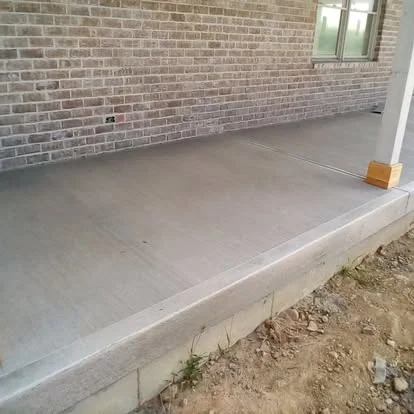
Concrete Pads
A pad sized to the thing that is going on it.
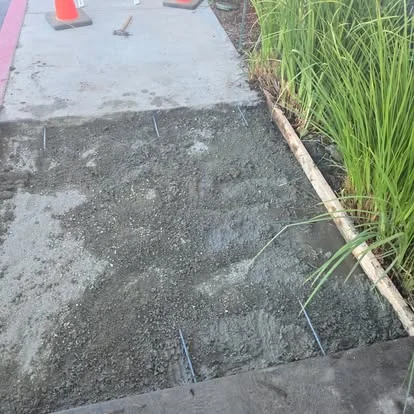
Residential Concrete Flatwork
All the flat concrete around a house, done by one crew.
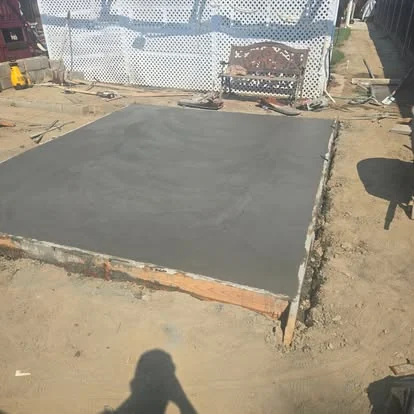
Concrete Demolition
Controlled demolition, including reinforced sections.
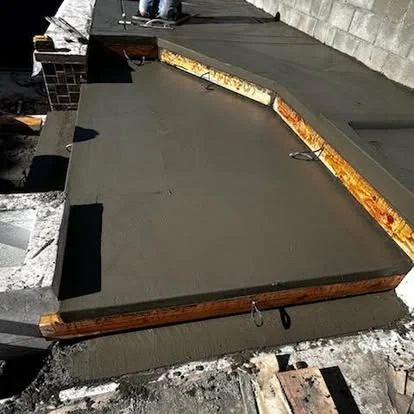
Concrete Saw Cutting
A straight, clean cut to a measured depth.
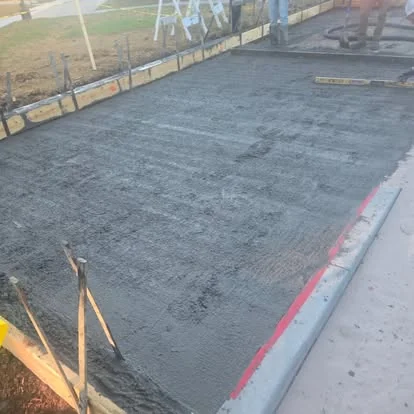
Expansion Joint Installation
Giving the slab somewhere to go.
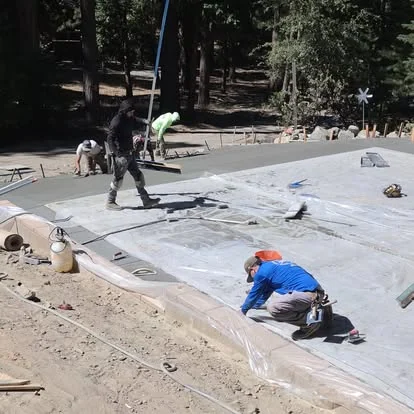
Concrete Curbs
Extruded or formed, straight and true.

Concrete Gutters
Moving water where the grade will not.
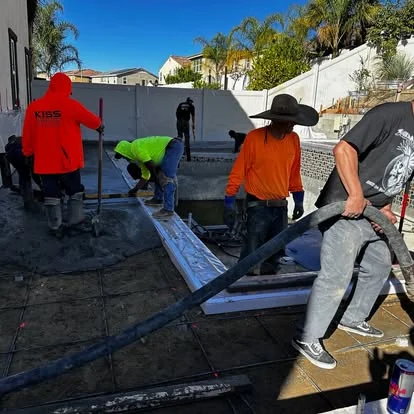
ADA Concrete Ramps
Built to the slope the tape measure will confirm.
Pouring concrete around Acton
Decomposed granite and alluvium
Much of the high desert is decomposed granite and alluvial material. Worked properly in lifts it compacts into an excellent base; dumped and raked flat it behaves badly and the slab tells you so within a few years.
Triple digits and hard freezes in one year
High desert concrete takes both extremes within twelve months, so it has to be built for both. That means the right mix, joints that allow real movement, and a sealing plan that gets followed rather than mentioned once.
Long runs on big lots
High desert properties are often large, which means long driveways and big slabs. Length multiplies movement, so joint spacing and layout matter more here than on a small urban pad, and a long drive poured without a joint plan will crack wherever it likes.
Distance and delivery
Some of these properties are a long way from a batch plant, which affects the delivery window and how a pour gets staged. That is worth planning honestly up front rather than discovering it with a truck on site.
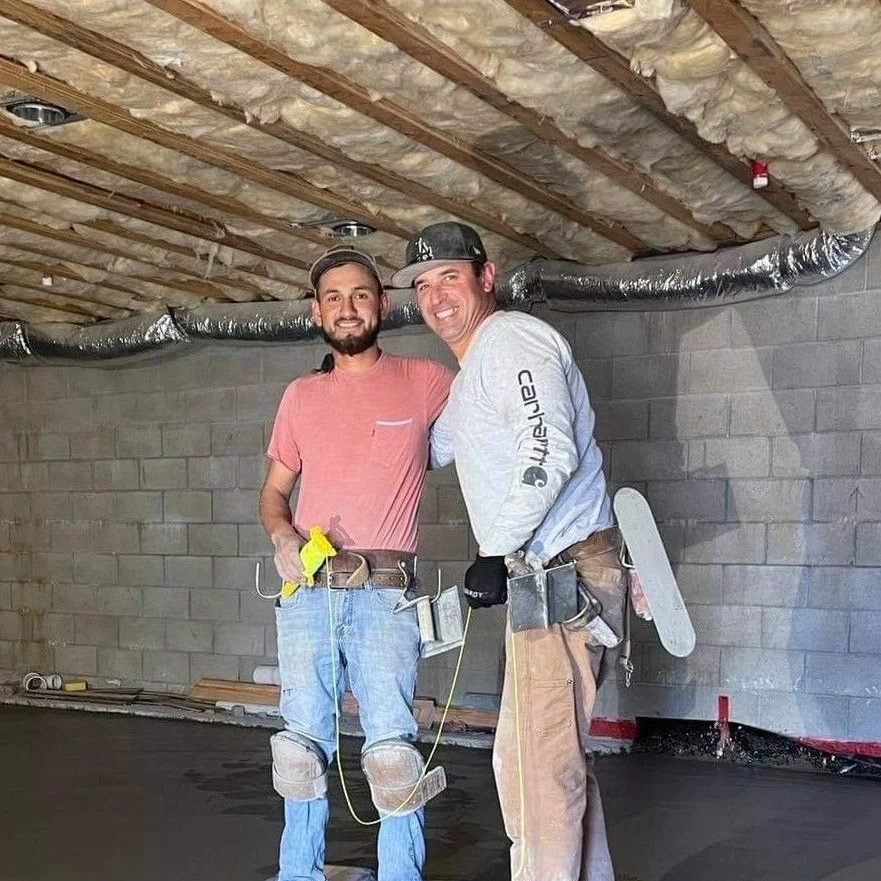
Concrete work around Acton
Flatwork, foundations and repair across Acton and the rest of Los Angeles County, poured by the same crew that answers the phone.
How concrete fails, and why
Cracks along a plumbing run
A trench under a slab that was not compacted is a soft line, and the slab cracks along it. Compaction in the trench matters as much as in the open.
Glazed surfaces that are slippery when wet
Over-troweling closes the surface to a polish. Indoors that can be a choice; on an exterior walk it is a hazard.
Deterioration under planters
Soil and constant moisture held against concrete leaches it and stains it. Anything permanently wet against a slab shortens its life.
Repairs that do not match
A repair poured with a different mix, finished differently, or cured differently will always read as a patch. Matching the finish and joint pattern is part of the job.
How a job runs
The soil question
In expansive clay the soil drives the design. If there is a soils report we build to it; if not, what we find during excavation informs the base work.
Drainage
Where water goes gets decided before the pour, because afterward it is permanent. That sometimes means changing the plan to fix a problem you already had.
Pouring new concrete on ground that already failed once buys you the same crack.On replacement
Joint layout
Joints are planned on paper and cut on time. Where they land is partly structural and partly how the finished slab reads.
Maintenance
Concrete is low maintenance, not no maintenance. Sealing and joint upkeep are the two things worth doing.
Around Acton
Straight answers
Do you handle demolition and haul-off?
Yes, cut clean, broken out, loaded and hauled, with the ground left ready for the new pour.
Can you pour in winter?
Sometimes, with protection. Concrete cures by chemical reaction and cold slows that reaction down, so a slab placed into a hard freeze may never reach strength. We would rather move a date than pour into conditions that will not cure.
Is sealing worth it here?
More than anywhere else we work. Where freeze cycling is real, keeping water out of the pores is the difference between a slab that lasts and one that spalls.
My lot is large. Does that change anything?
Length multiplies movement, so a long driveway needs a real joint plan. Poured without one it will crack wherever it likes.
What soil is under most of these lots?
Decomposed granite and alluvium, mostly. Worked in lifts it compacts into excellent base; dumped and raked flat it behaves badly.
Ready to talk about it?
Call the shop. We cover Acton and the rest of the county from Hemet, and we will come out and read the job before quoting.