
Transformer Pads
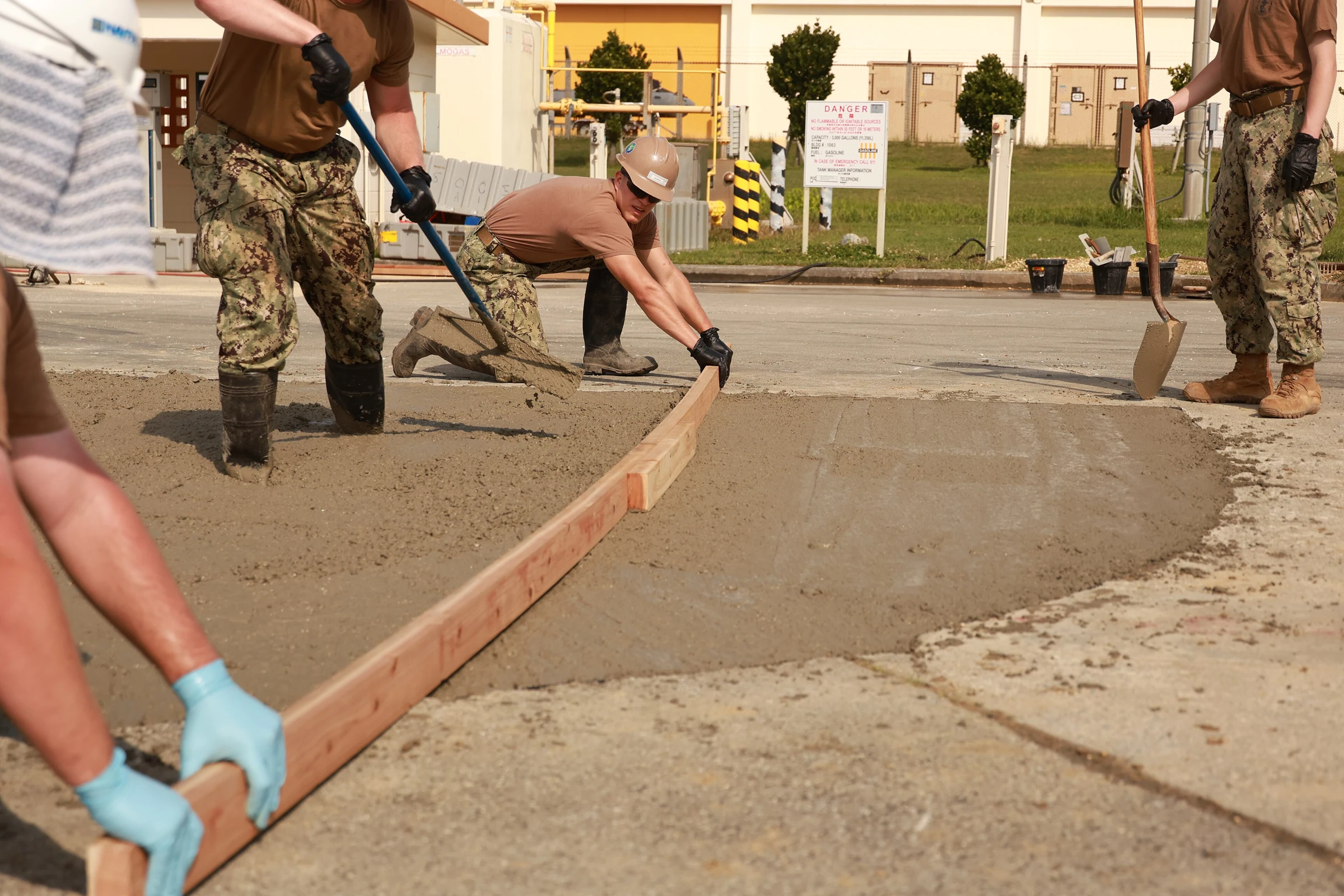
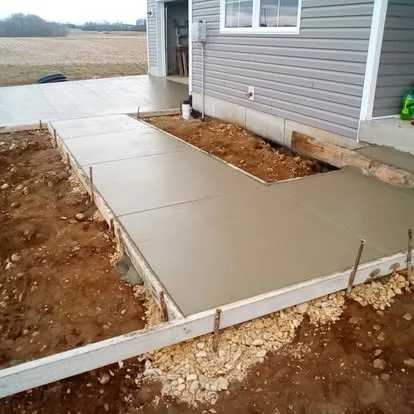
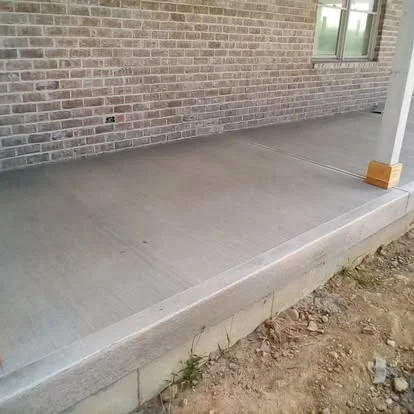
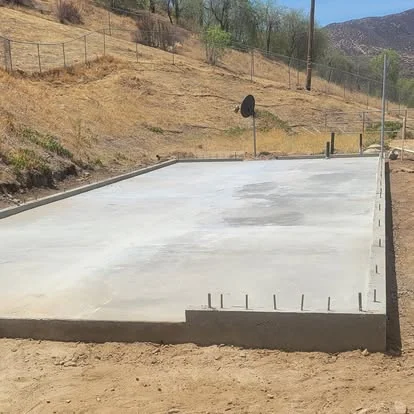
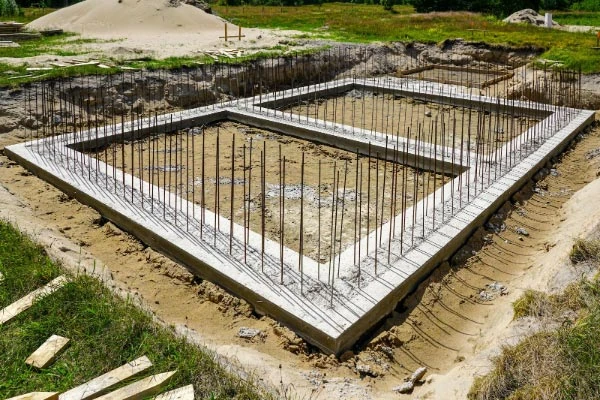
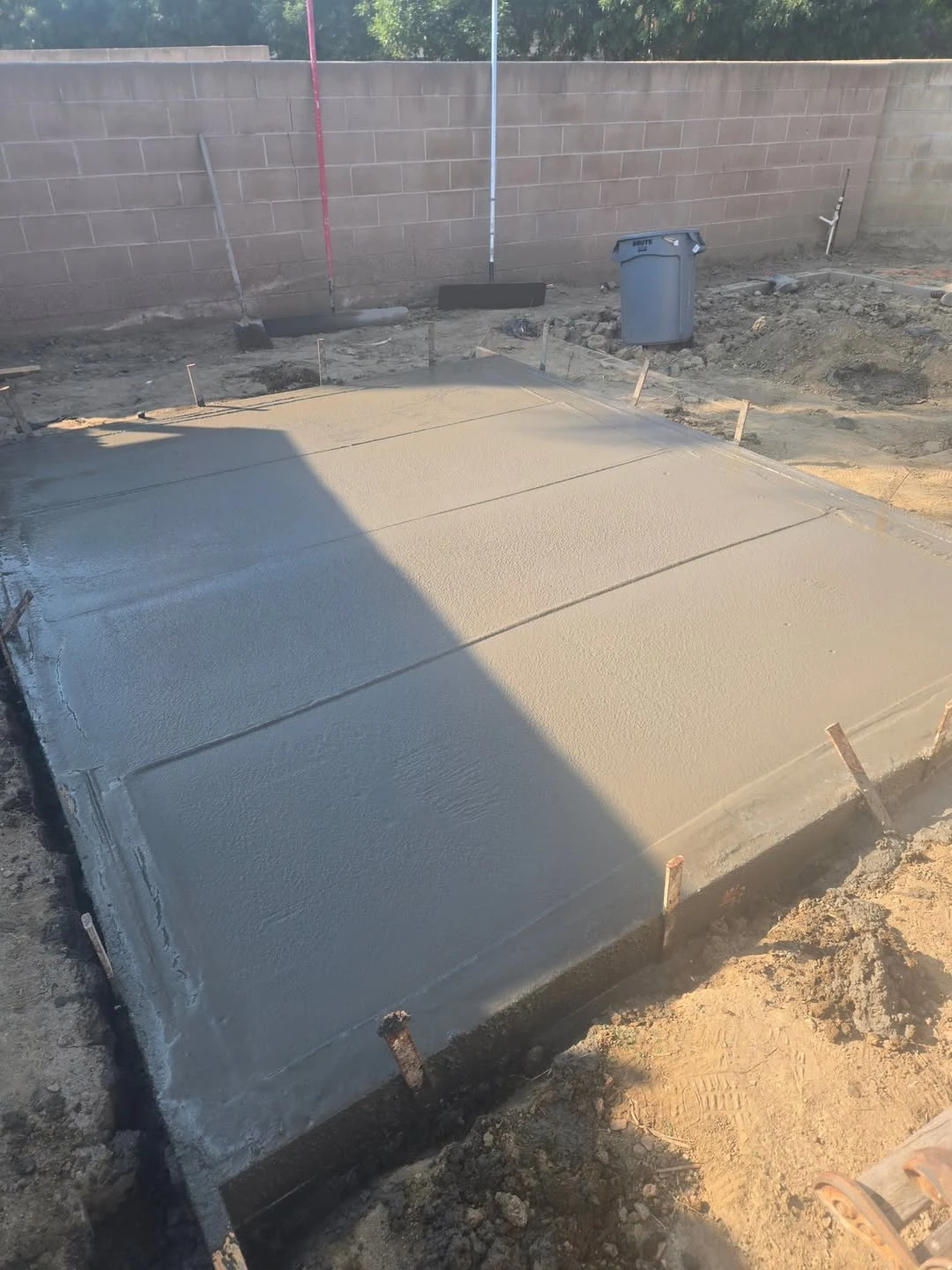
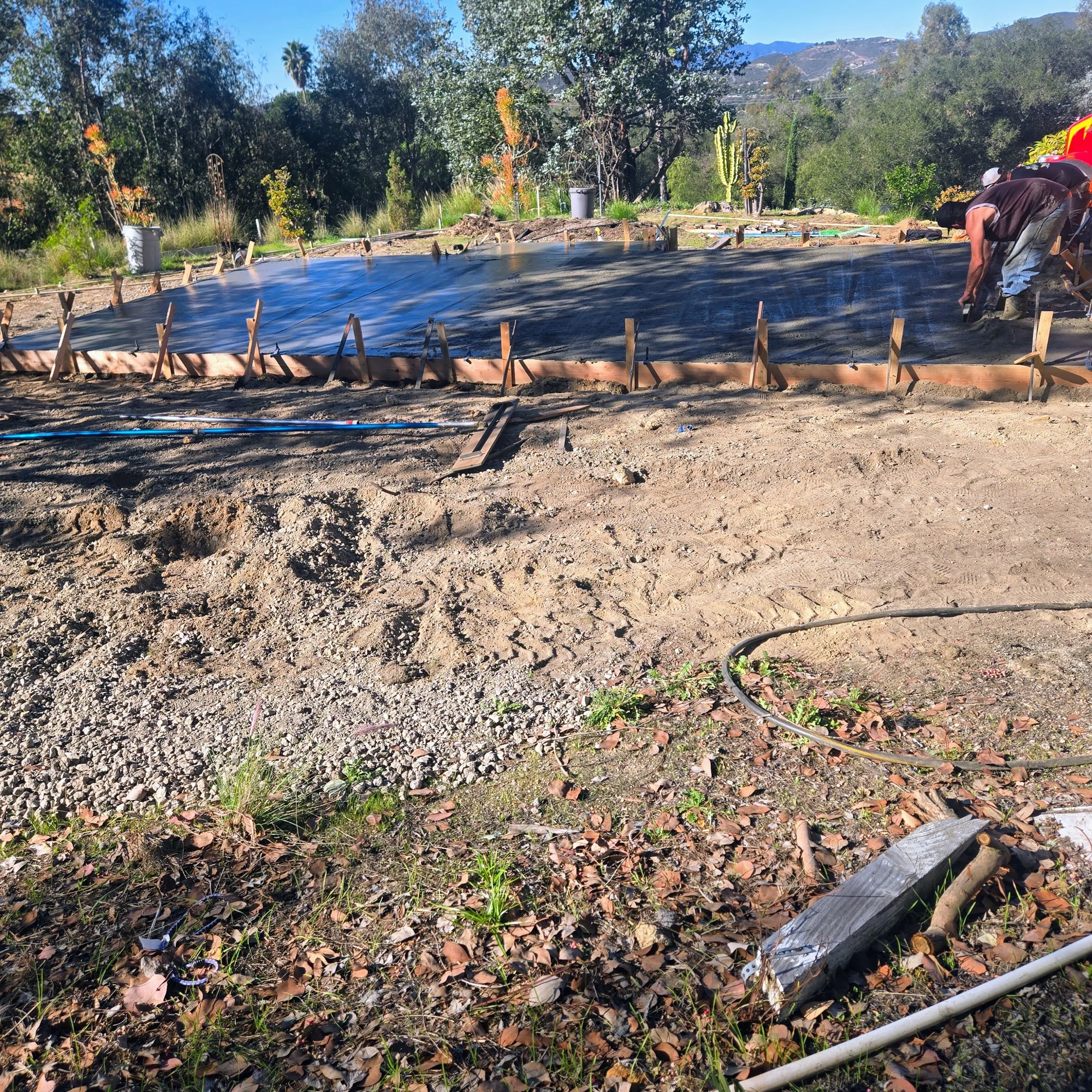
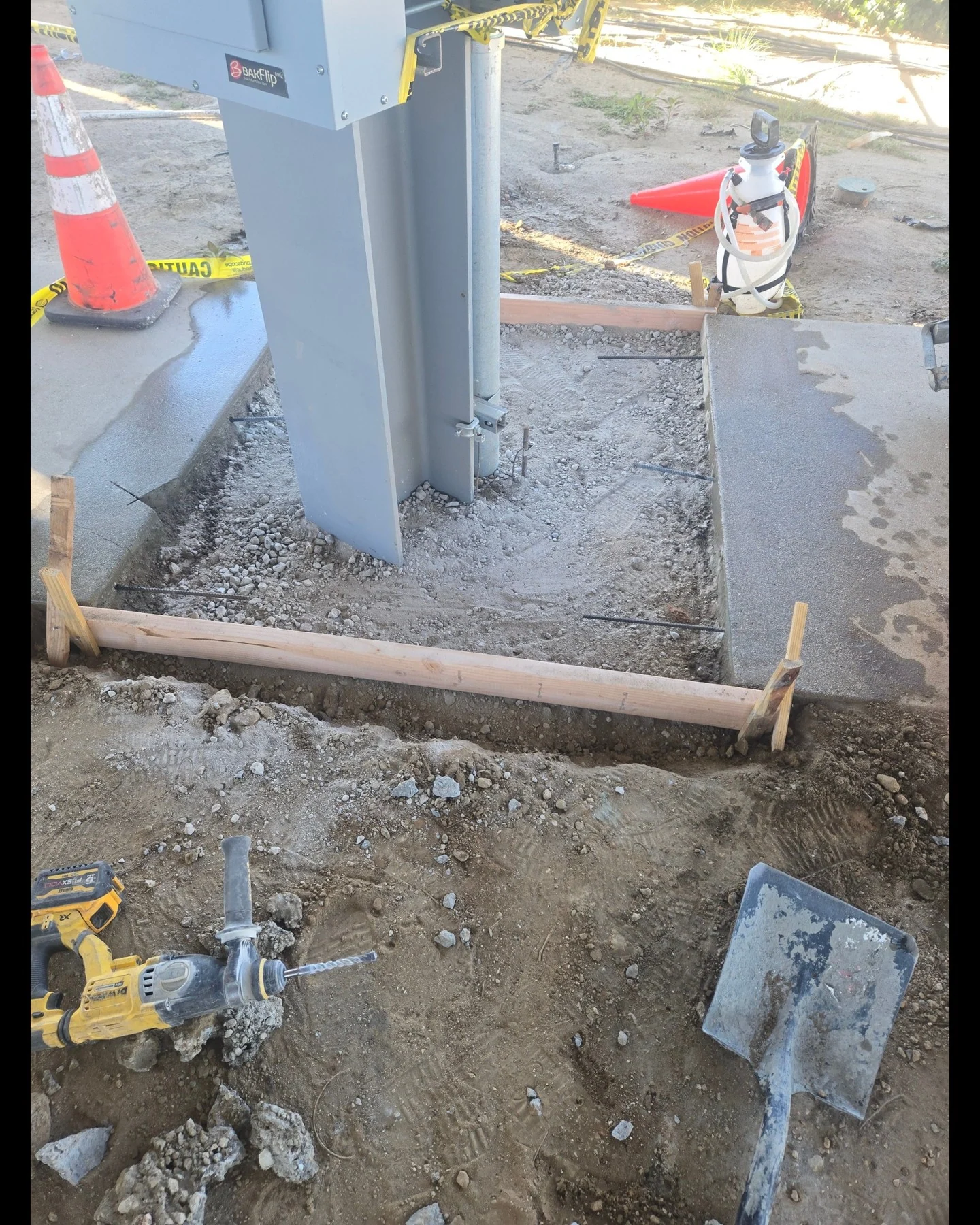
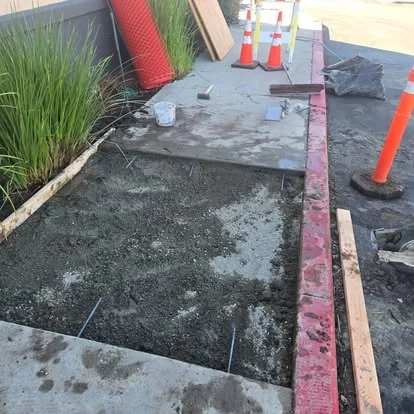
A transformer pad is built to the utility’s spec, not ours: dimensions, conduit windows, grounding, clearances. We build from their sheet so it gets accepted on the first visit.
Talk to us about the job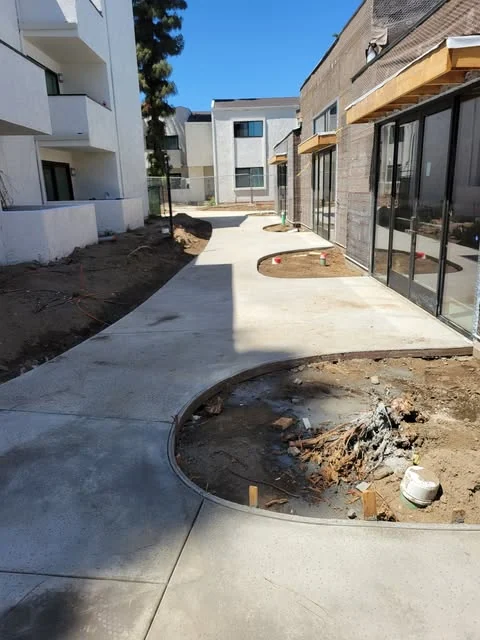
How the job runs
Site first
We come look. Drainage, soil, slope, access, and the condition of whatever is there now.
No overselling
Straight scope. A sound slab gets repaired, not replaced, and we will say so.
Ground preparation
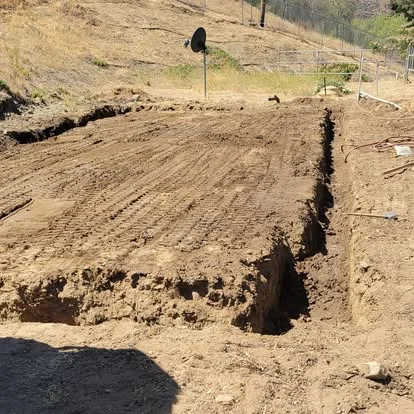
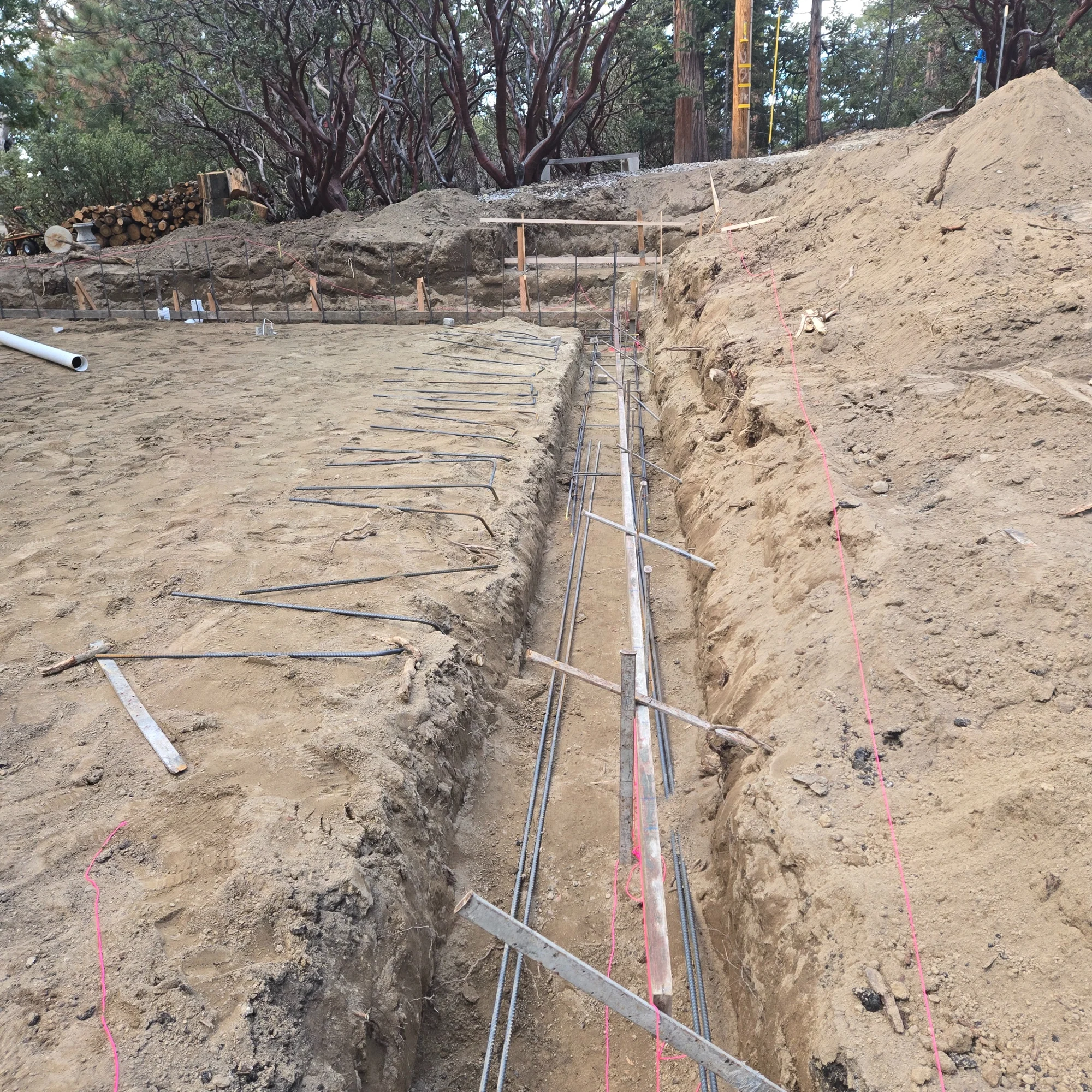
Excavate to grade, remove what will not hold, compact base in lifts.

The pour
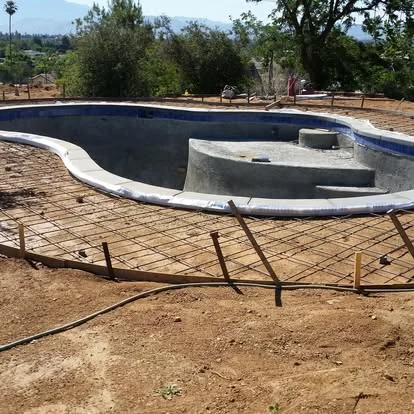
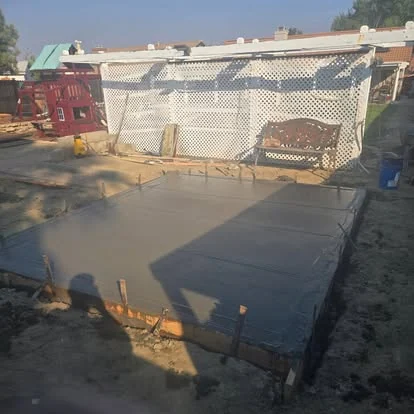
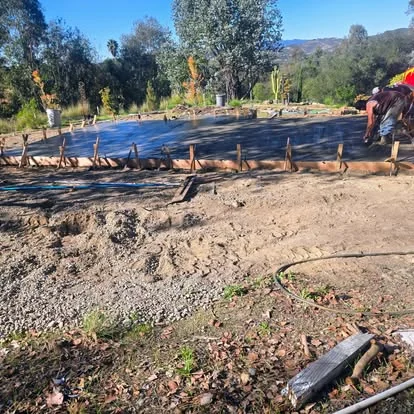
Forms braced for the pressure, steel placed and tied, concrete consolidated and finished on time.
What this job actually needs
Built to the specification
Commercial work answers to drawings: mix design, steel placement, joint layout, flatness and levelness tolerances. Those get built to and documented, because on a commercial job what was built has to be provable afterward.
Load zones
A commercial site is rarely one slab. Car areas, drive aisles, truck routes, dock aprons and equipment pads carry different loads and get different thickness and reinforcement. Pouring it all to one spec is why entrances fail first.
Working around operations
Phasing, scheduling and coordination with whoever runs the site are usually harder than the concrete. The sequence gets written down before anything is broken out so the business keeps running.
Joints and long term maintenance
On commercial flatwork the joints fail before the concrete does, and open joints let water into the base. Joint sealing is the cheapest maintenance available and the most commonly skipped.
What decides whether it lasts
Concrete is judged on the surface and it fails from underneath. The base, the steel, the joints and the cure are the whole job. A slab that was poured on bad ground will tell you so, usually in the third or fourth year.
Why fourth generation matters here
32 years on the tools means most of these problems have already been seen once. Reading a slab before quoting it is the part you cannot learn from a book, and it is the difference between a repair that holds and one that comes back.
What Southern California ground does to transformer pads
Drainage on a flat lot
Valley lots are often close to level, which makes slope hard to find and easy to get wrong. Low points, cross-fall and where water actually leaves the property get worked out before the pour, because once the concrete is down the drainage is permanent.
What lasts here
A properly based, properly jointed slab with reinforcement sized to the load will outlast the house it sits beside. The variables that decide it are all underneath and all invisible once the pour is done, which is exactly why they get cut on cheap jobs.
What the ground does here
The inland valleys run on expansive clay. It takes on water and swells, then dries out and shrinks, and it does that cycle every year. A slab poured on untreated clay rides that movement until something gives, which is why base preparation and reinforcement are the design rather than an upgrade. Where a soils report exists we build to it; where there is none, what we find during excavation tells us what the ground is going to do.
Summer pours
Triple digit afternoons change how concrete behaves. It stiffens before it can be finished properly, the surface skins over while the body underneath is still soft, and water leaves the slab faster than the cement can use it. Valley pours start early, the mix gets adjusted for the heat, and curing is treated as an active step instead of something that happens on its own.
How concrete fails, and why
Cracks at re-entrant corners
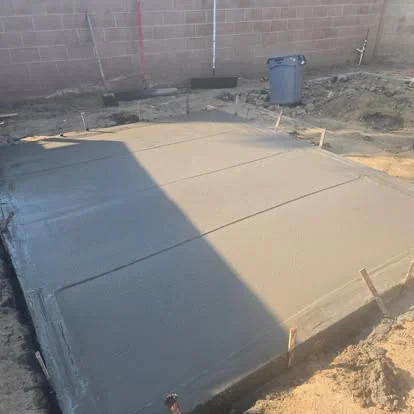
Any inside corner in a slab, around a pillar or at an L-shaped patio, concentrates stress. Concrete cracks diagonally out of those corners unless steel or a joint is placed to control it.
Water against the house
Flatwork that slopes toward a building sends water at the foundation. In expansive soil that is the most expensive drainage mistake available.
Tire marks and staining
Hot tires pull at a sealed surface and some sealers soften under them. On a garage floor the finish and the sealer choice both matter for that reason.
Sunken sections around utilities
Trenches backfilled loosely settle for years. Anything poured over a recent trench needs that backfill compacted properly first.
How a job runs
Communication
One point of contact, and you hear about anything that changes before it changes. Surprises on a concrete job are almost always avoidable.
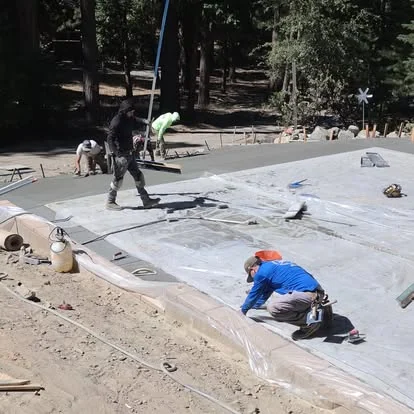
Protecting the pour
Fresh concrete gets protected from sun, wind, rain and traffic. Most surface problems that show up later started in the first forty eight hours.
Once the slab is down, the drainage is permanent.On grading
Inspections
Where they apply, they get scheduled into the sequence so the pour is not waiting on a signature.
The finished job
Flat where it should be flat, sloped where it should drain, jointed on a plan, and clean when we leave.
Other commercial work
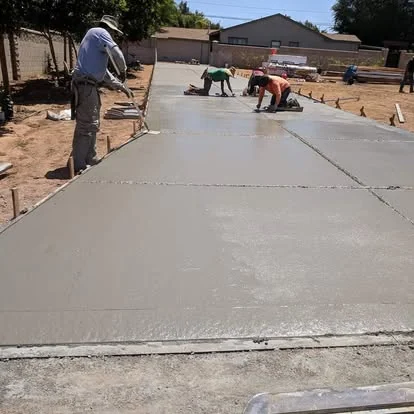
Commercial Concrete Flatwork
Flatwork built to a plan set and an inspection.
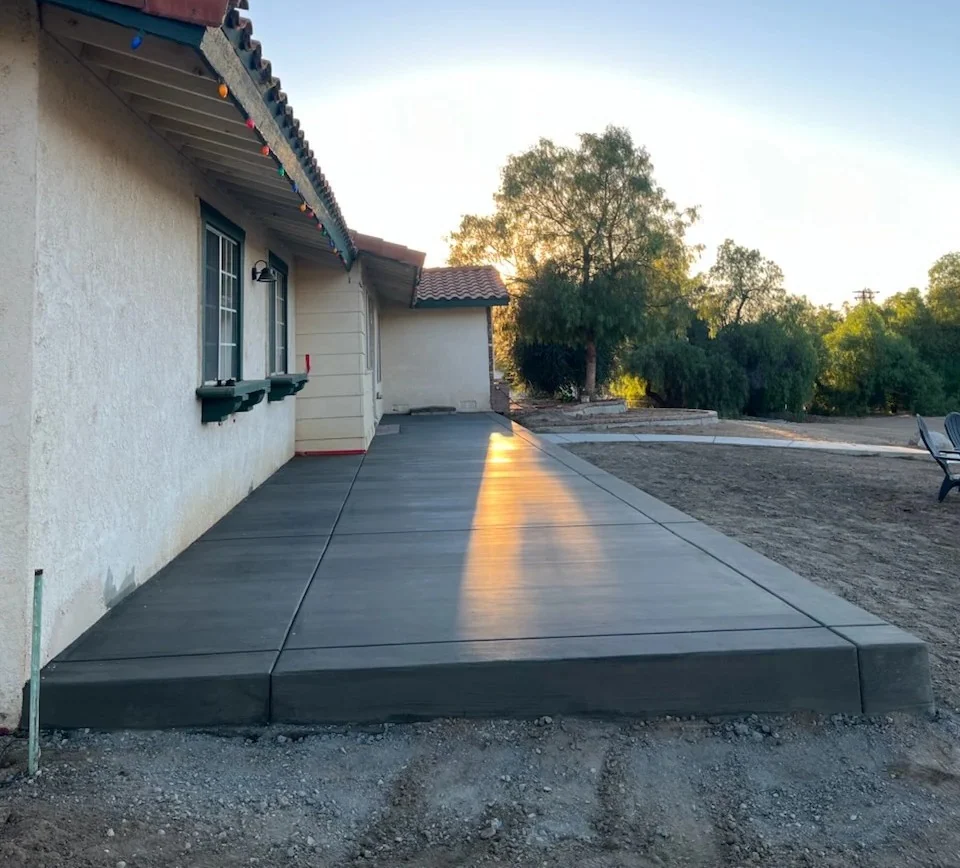
Commercial Concrete Slabs
Slabs sized for racking, equipment, and forklifts.
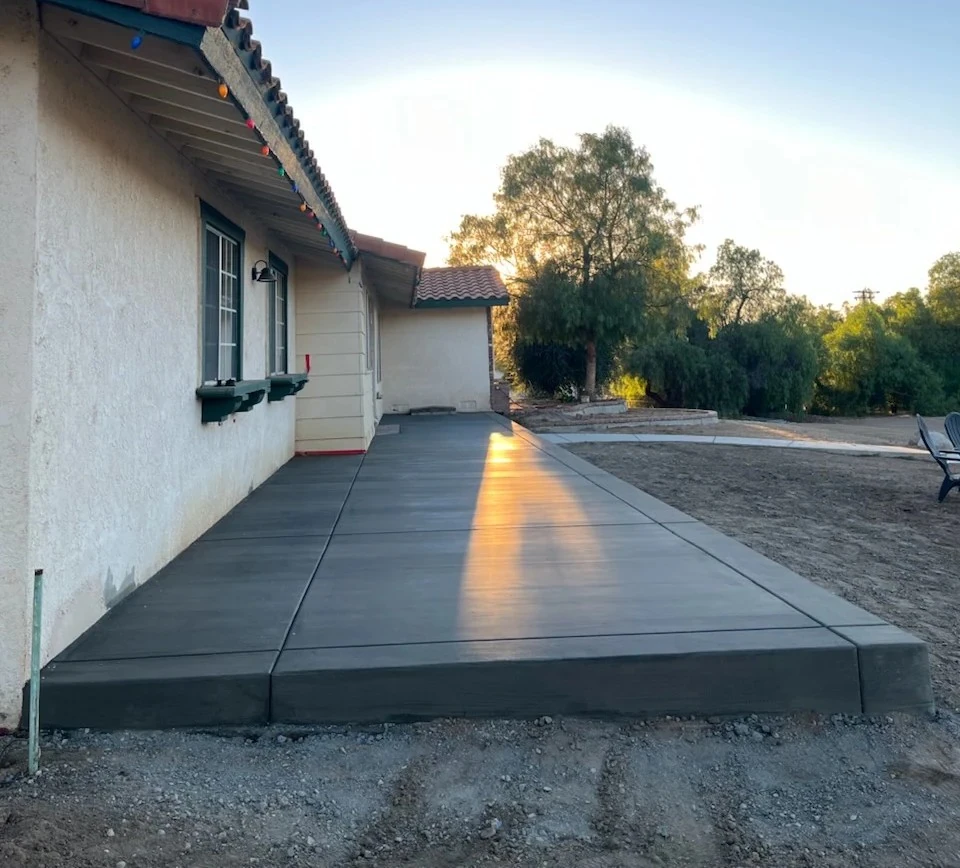
Commercial Concrete Foundations
Footings and stem walls under a commercial structure.
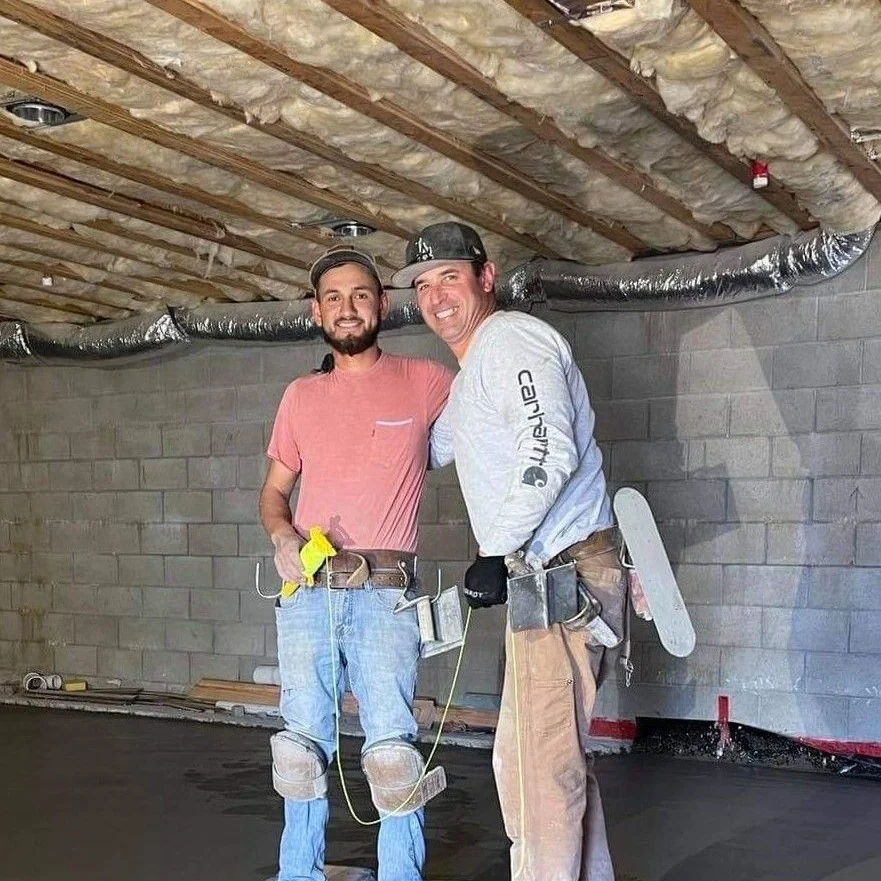
Commercial Sidewalks
Walks that carry public traffic and public liability.
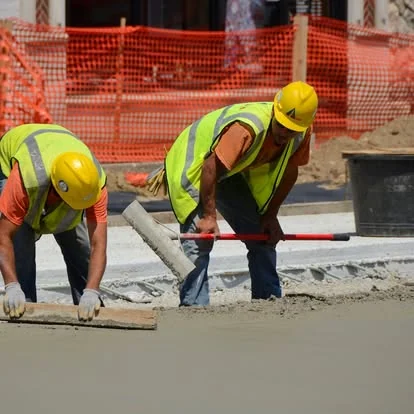
Commercial Patios
Restaurant and retail patios built for daily traffic.
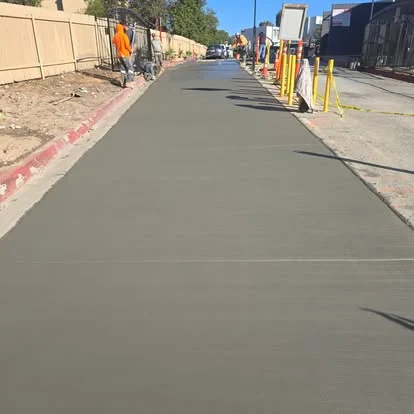
Concrete Parking Lots
Concrete instead of asphalt, for the life of it.
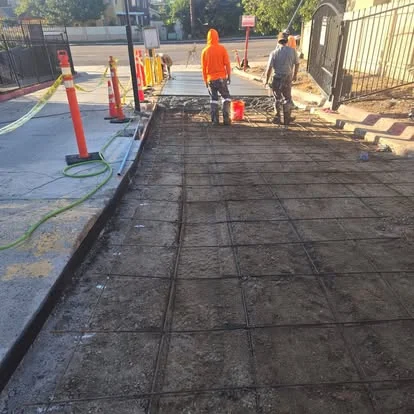
Concrete Parking Lot Repair
Failed panels replaced without closing the whole lot.
Concrete Parking Lot Replacement
A full lot rebuilt on a schedule that keeps you open.
Straight answers
Can you phase a large lot replacement?
Yes, by area, so you never lose the whole lot at once. Drainage usually gets corrected during the rebuild, because a lot that ponds was designed wrong once already.
Can you work around our operating hours?
Yes. Most commercial work gets phased so the business keeps running, with the sequence written into the schedule before anything gets broken out.
Do you build to our engineer’s drawings?
That is the normal way commercial work happens. Mix design, steel placement, joint layout and tolerances come off the sheet, and we keep the documentation that proves what was built.
How do you handle inspections?
We schedule them into the sequence so the pour is not sitting waiting on a signature. Footings and steel get inspected before anything is covered.
Concrete or asphalt for a parking lot?
Concrete costs more going in and lasts decades longer, especially where trucks turn or stop. If the lot takes heavy vehicles in the same spots, concrete usually wins on the life of it.
Tell us what the job is
We walk the job, tell you what it needs, and give you a number. Hemet and roughly 100 miles around it.