
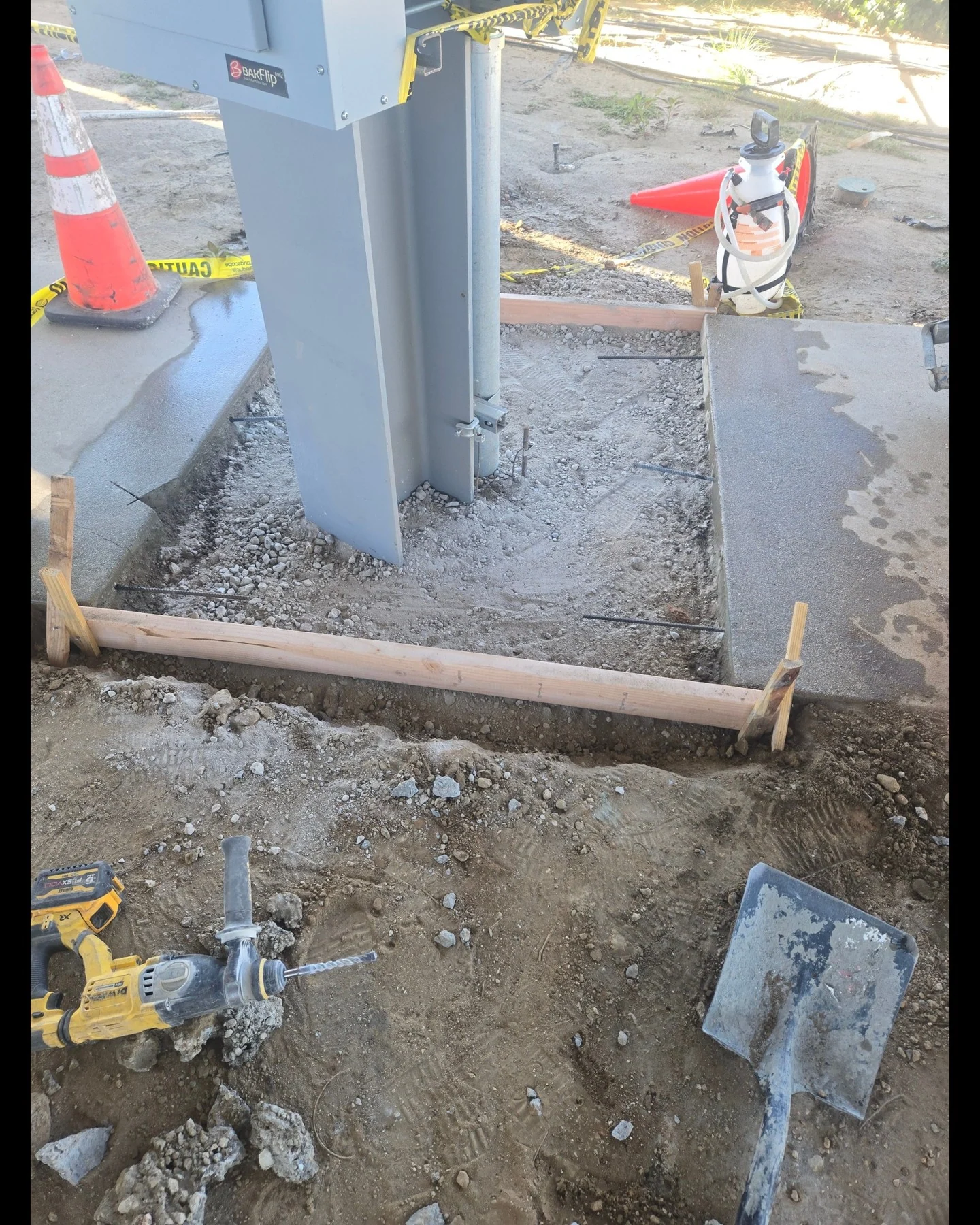
Huntington Beach slabs, built from the base up
Most concrete fails from underneath, so that is where we start. Serving Huntington Beach and Orange County with 32 years in the trade behind every pour.
Talk to us about the job


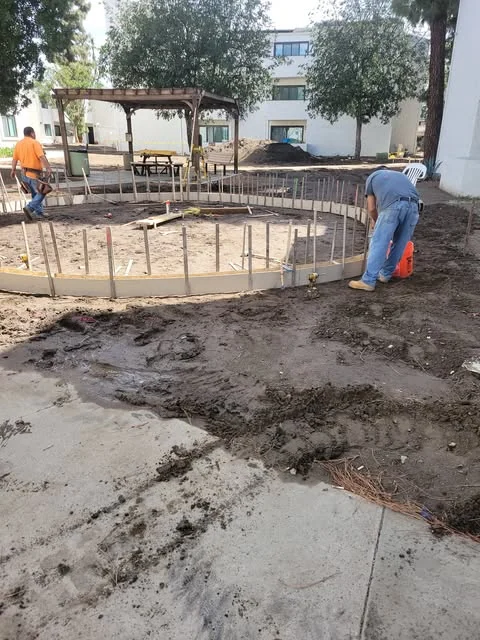
What concrete is up against around Huntington Beach
Older coastal slabs
A lot of coastal flatwork is decades old and was poured with less cover over the steel than we would use now. Rust staining and edge spalling usually mean the steel is going, not just the surface.
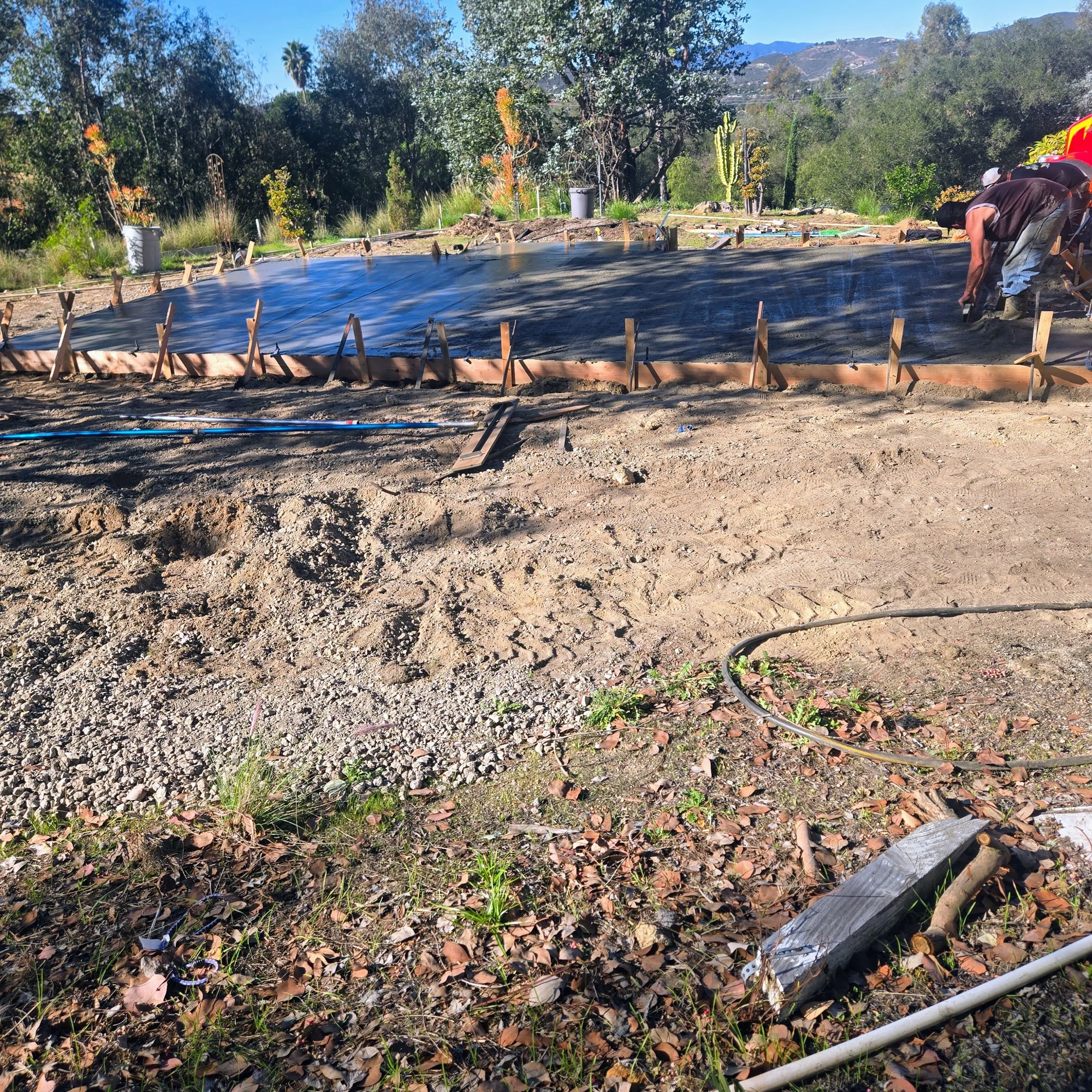
Humidity during finishing
Higher humidity slows evaporation, which sounds helpful and changes the timing of every finishing step. Bleed water sits longer and floating too early seals it in.
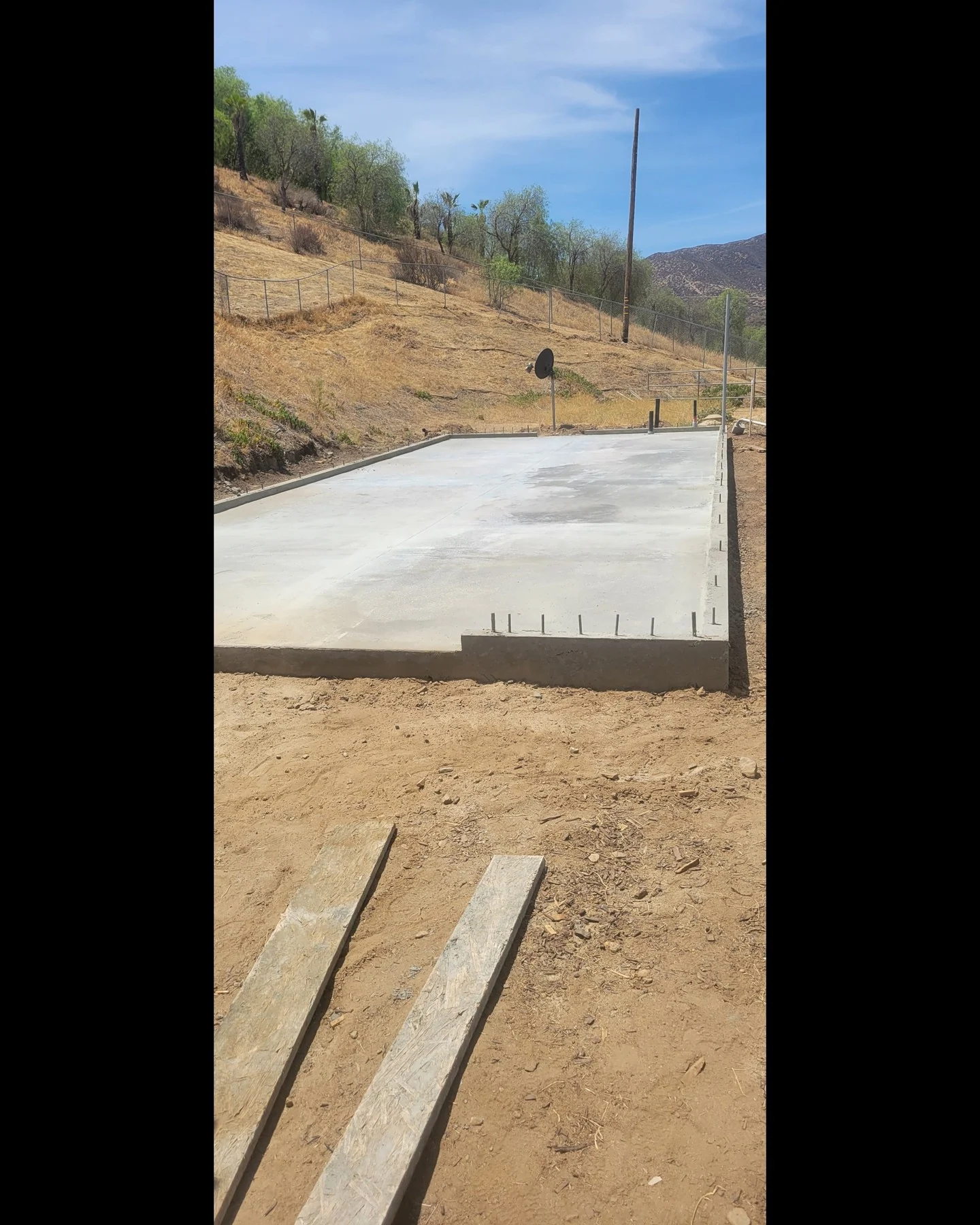
Drainage on a flat lot
Flat coastal lots make slope hard to find. Low points, channels and a planned drainage path have to be designed in, because gravity is not going to volunteer.
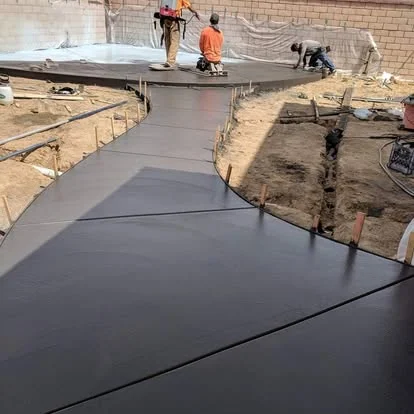
Joints planned on paper
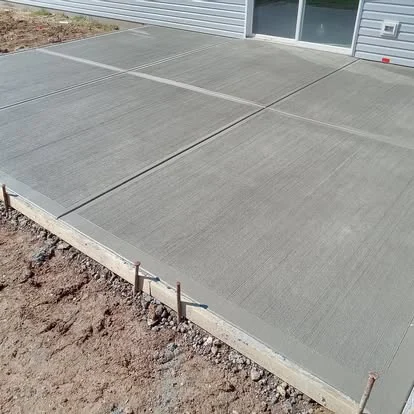
Joint layout gets worked out before the pour, spaced to the thickness and placed where the slab wants to move anyway. Then it gets cut at the right time.
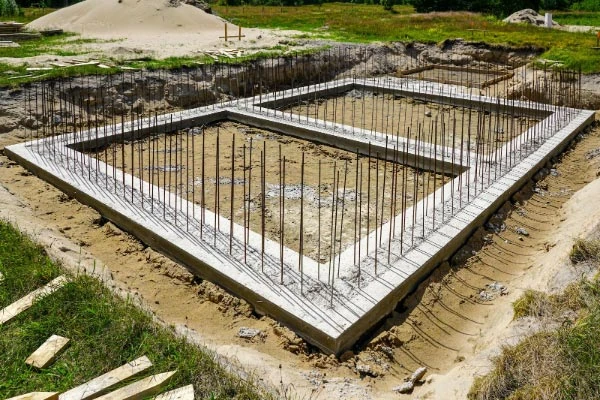
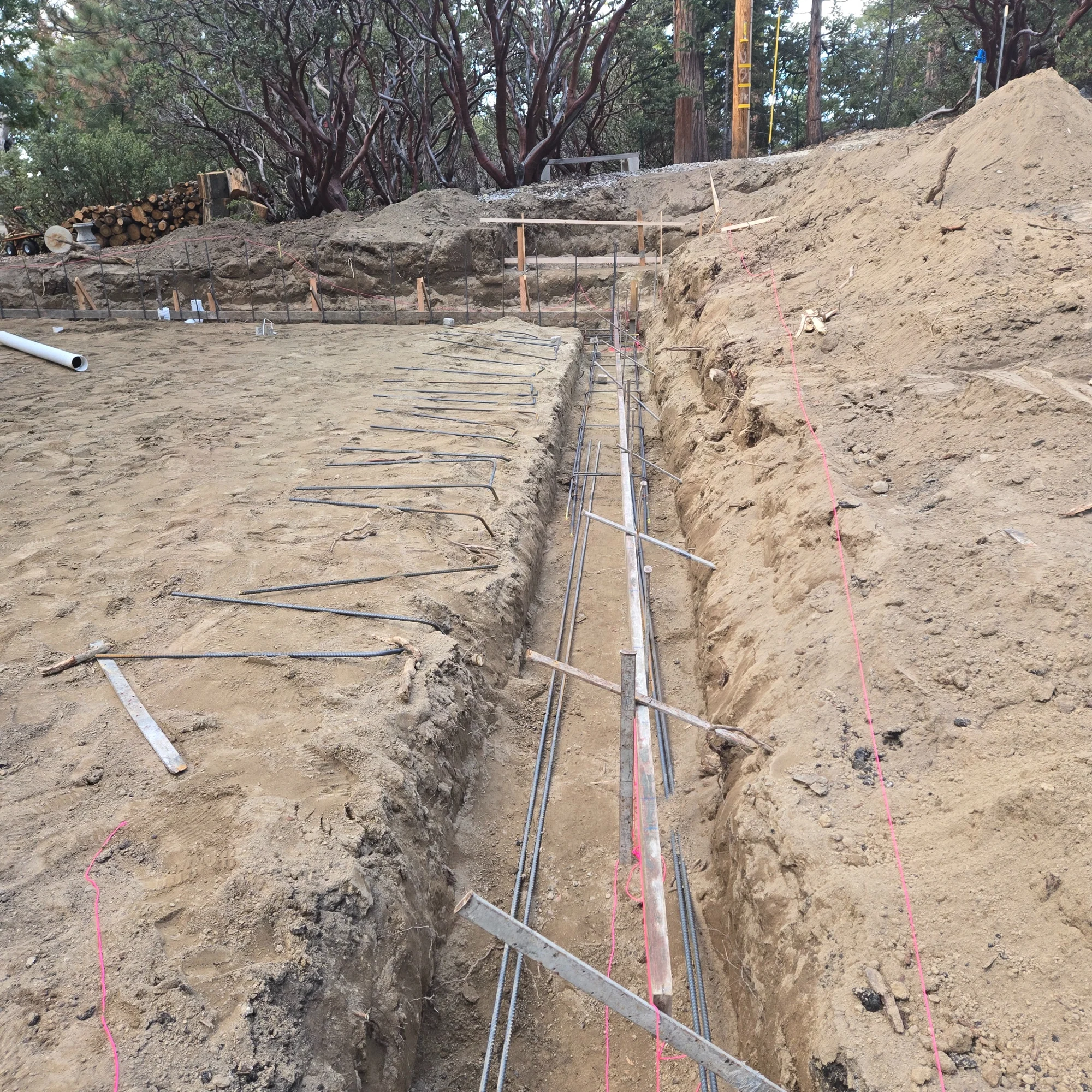
Base first, always
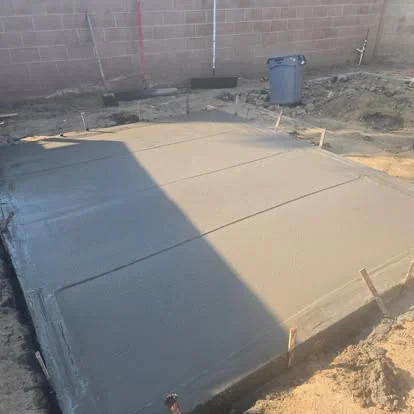
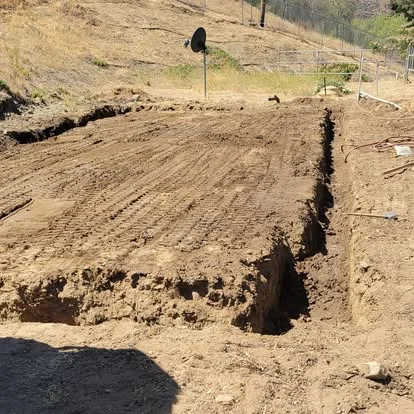
We cut to grade, fix the soft spots we find, and compact base in lifts before anything is formed. In expansive clay that step decides the whole outcome, so it is not where we save money.
Steel sized to the movement
Reinforcement gets placed for what the soil is going to do, on chairs at the right height with real cover. Steel lying on the dirt does nothing at all.
What we build in Huntington Beach
Concrete Driveway Repair
Fix what is broken and leave what is sound.
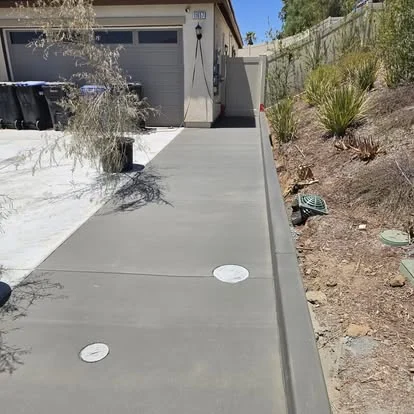
Concrete Patios
The outdoor room that starts as a flat pour.
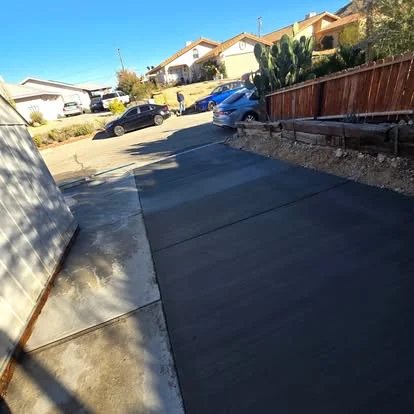
Concrete Patio Replacement
Take out the old slab, pour the one you actually wanted.
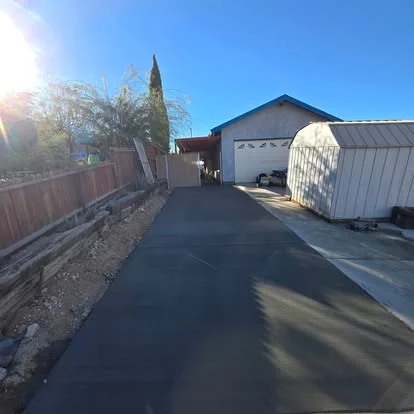
Concrete Patio Repair
Cracks, settled corners, and surfaces that have gone rough.
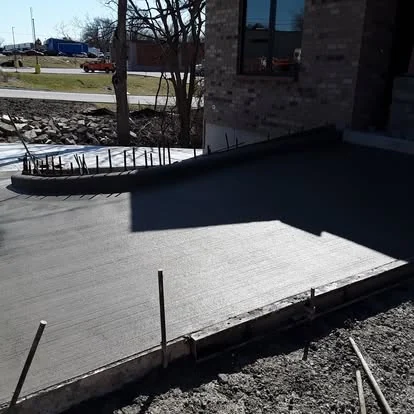
Concrete Walkways
Getting from the street to the door without a trip hazard.
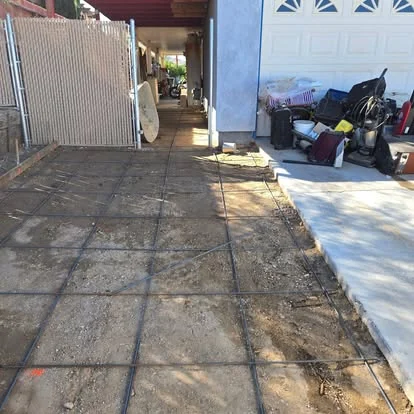
Concrete Sidewalks
Public-facing flatwork built to the spec the city will inspect.
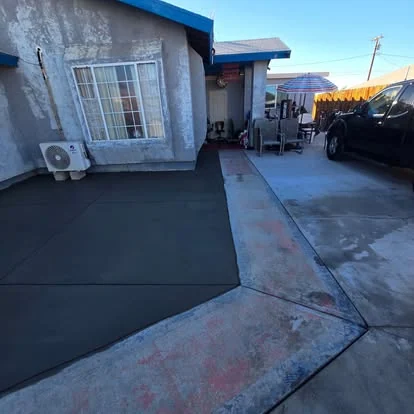
Expansion Joint Installation
Giving the slab somewhere to go.
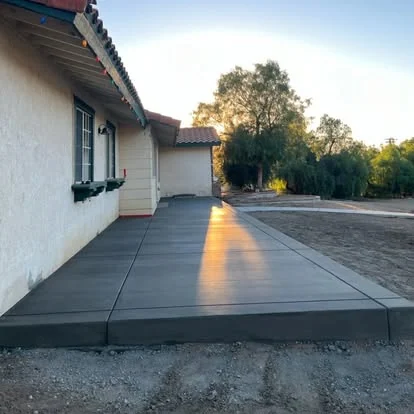
Control Joint Installation
Deciding where the crack goes.
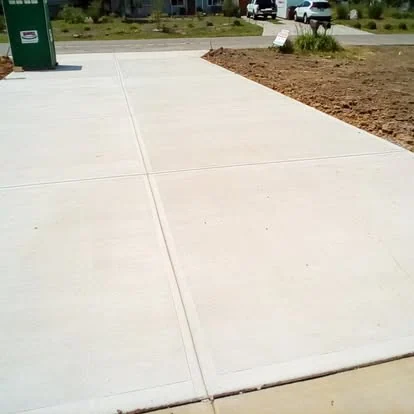
Concrete Repair
Fix the concrete that is worth fixing.
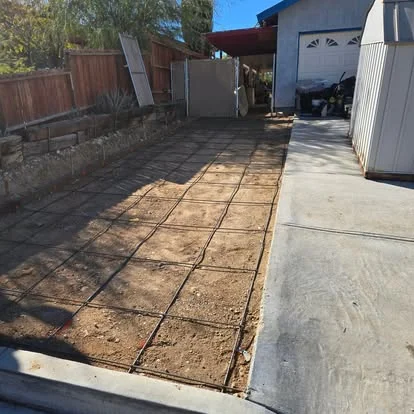
Tilt-Up Concrete
Panels cast flat on the slab, then stood up.
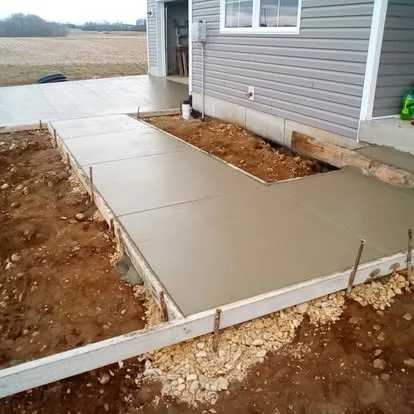
Concrete Drainage Channels
Formed channels that carry water on purpose.
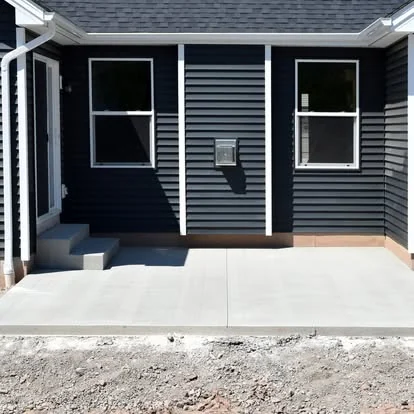
Commercial Concrete Flatwork
Flatwork built to a plan set and an inspection.
Pouring concrete around Huntington Beach
A milder climate with a slower problem
The coast does not deliver the inland heat or the mountain freezing. What it delivers is constant moisture and salt, which is a slower and more corrosive problem, and it shows up as edge spalling and rust staining on older slabs.
Sealing on the coast
Sealing here is about keeping chloride out of the pores rather than stopping water freezing in them. Different reason, same maintenance, and skipping it costs you the reinforcement eventually.
Humidity changes the finishing
Higher humidity slows evaporation, which sounds helpful and actually changes the timing of every finishing step. Bleed water sits on the surface longer, and floating too early seals it in and weakens the top layer.
Sandy soils and moving water
Coastal ground is frequently sand. It drains beautifully and it can be undermined by water moving through it, so compaction and understanding where water travels matter more than clay-style soil treatment.
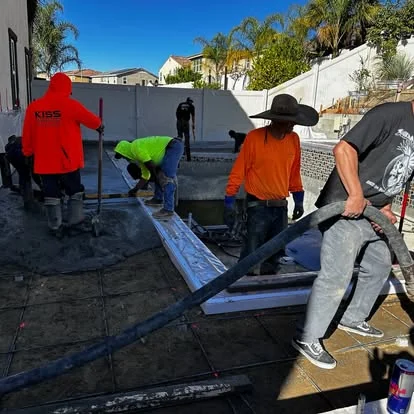
Concrete work around Huntington Beach
Flatwork, foundations and repair across Huntington Beach and the rest of Orange County, poured by the same crew that answers the phone.
How concrete fails, and why
Settlement at the apron
The strip where a driveway meets a garage takes every vehicle and sits over backfill that was disturbed during construction. It settles more than the rest of the drive and it needs its own thickness and joint.
Heaving
A slab pushed upward is usually roots or expansive soil taking on water. Both get worse with irrigation, and neither is fixed by resurfacing the top.
Pop-outs
Small conical craters come from a particle of reactive aggregate near the surface expanding and blowing the concrete off above it. Cosmetic, and a repairable surface defect.
Dusting
A surface that chalks under a broom was finished or cured badly, or had water worked into it. Sealing helps; grinding and resurfacing fixes it.
How a job runs
Permits and inspection
Structural work and anything in the public right of way gets permitted and inspected. We raise that at the start rather than at the pour.
Utilities
Anything dug or cut starts with locating. Finding a line with a saw is expensive and avoidable.
Concrete cracks. The job is deciding where.On the material
Noise and disruption
Breaking and cutting concrete is loud. We will tell you which days those are so you can plan around them.
Cleanup
Washout handled properly, spoil hauled off, surfaces washed. The site should look finished when we leave.
Around Huntington Beach
Straight answers
Why are there rust stains and cracks in straight lines?
Those lines usually match the rebar spacing, which means the steel is corroding. It is a cover and chloride problem rather than a surface one, and it needs looking at properly.
What about sandy soil near the water?
It drains beautifully and it can be undermined by moving water. Compaction and understanding where water travels matter more here than clay-style treatment.
Should I seal coastal concrete?
Yes, and the reason is chloride rather than freezing. Different mechanism, same maintenance, and skipping it eventually costs you the reinforcement.
How long before I can drive on it?
Foot traffic a day or two, vehicles longer. Mild coastal temperatures are kind to a cure and you still get the real numbers.
Do you handle demolition and haul-off?
Yes, cut clean, broken out and hauled, with the site left ready to pour.
Huntington Beach concrete, quoted properly
Access, base condition, thickness and finish decide the price. That is why we walk it first and why the number holds.