
Concrete Patios
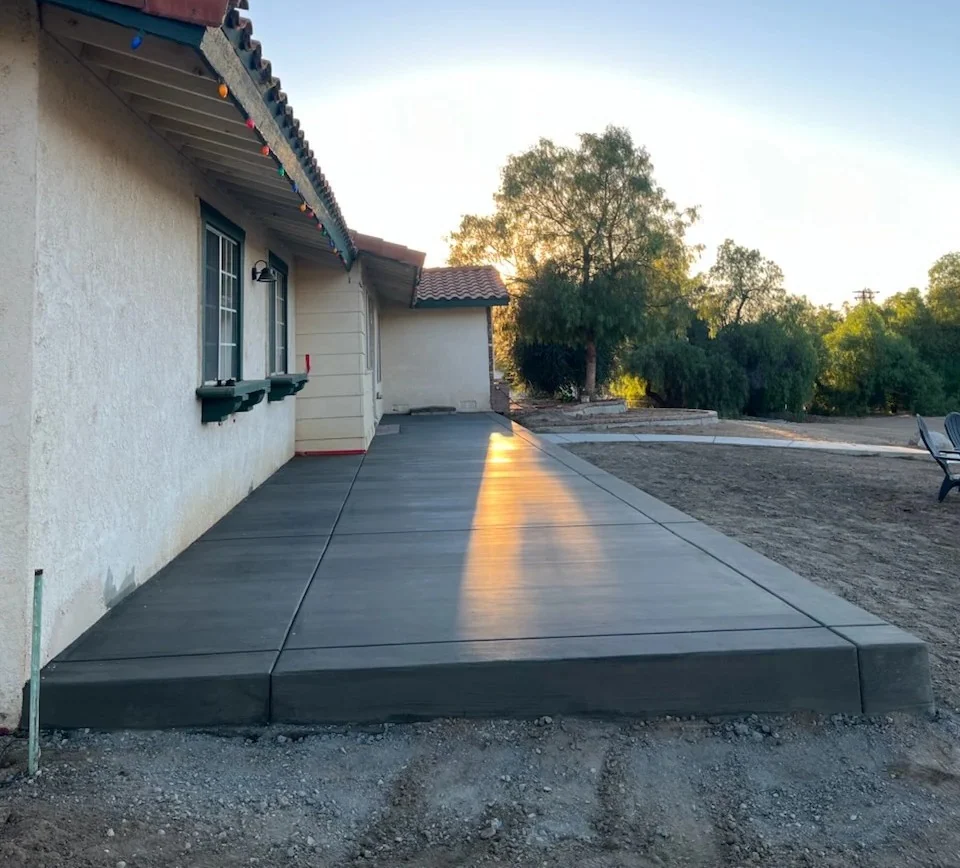
A patio is where most people first care what concrete looks like. Same rules still apply underneath: compacted base, right thickness, joints planned instead of guessed. Then the finish is a choice, and there are more of them than most people know.
Talk to us about the job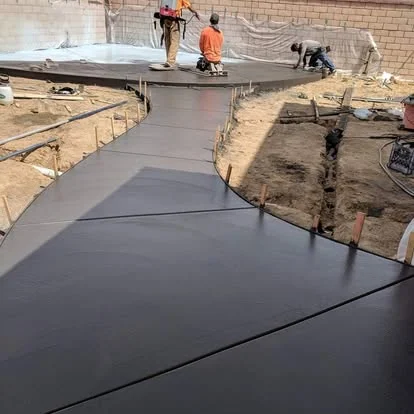



How the job runs
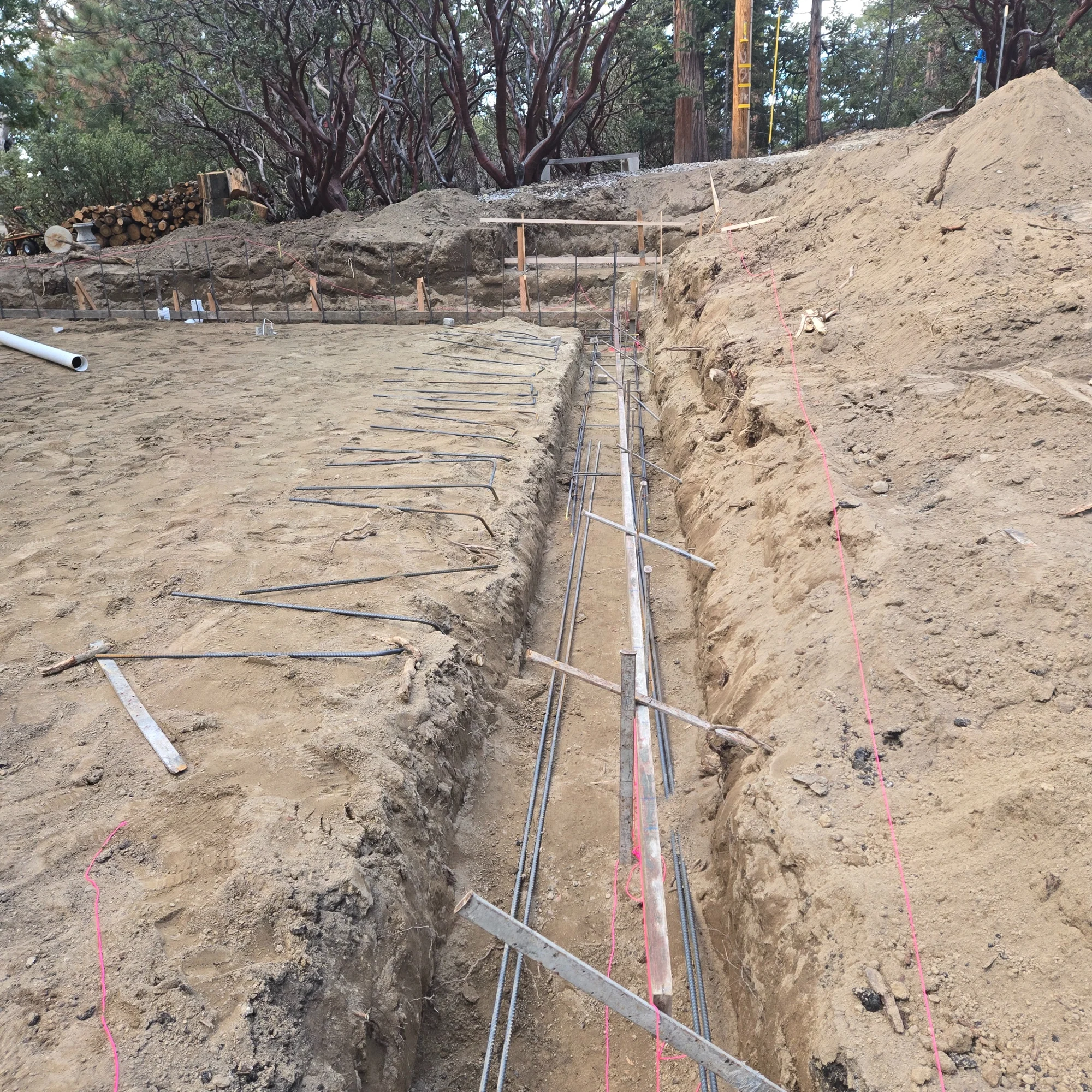
Site first
We come look. Drainage, soil, slope, access, and the condition of whatever is there now.
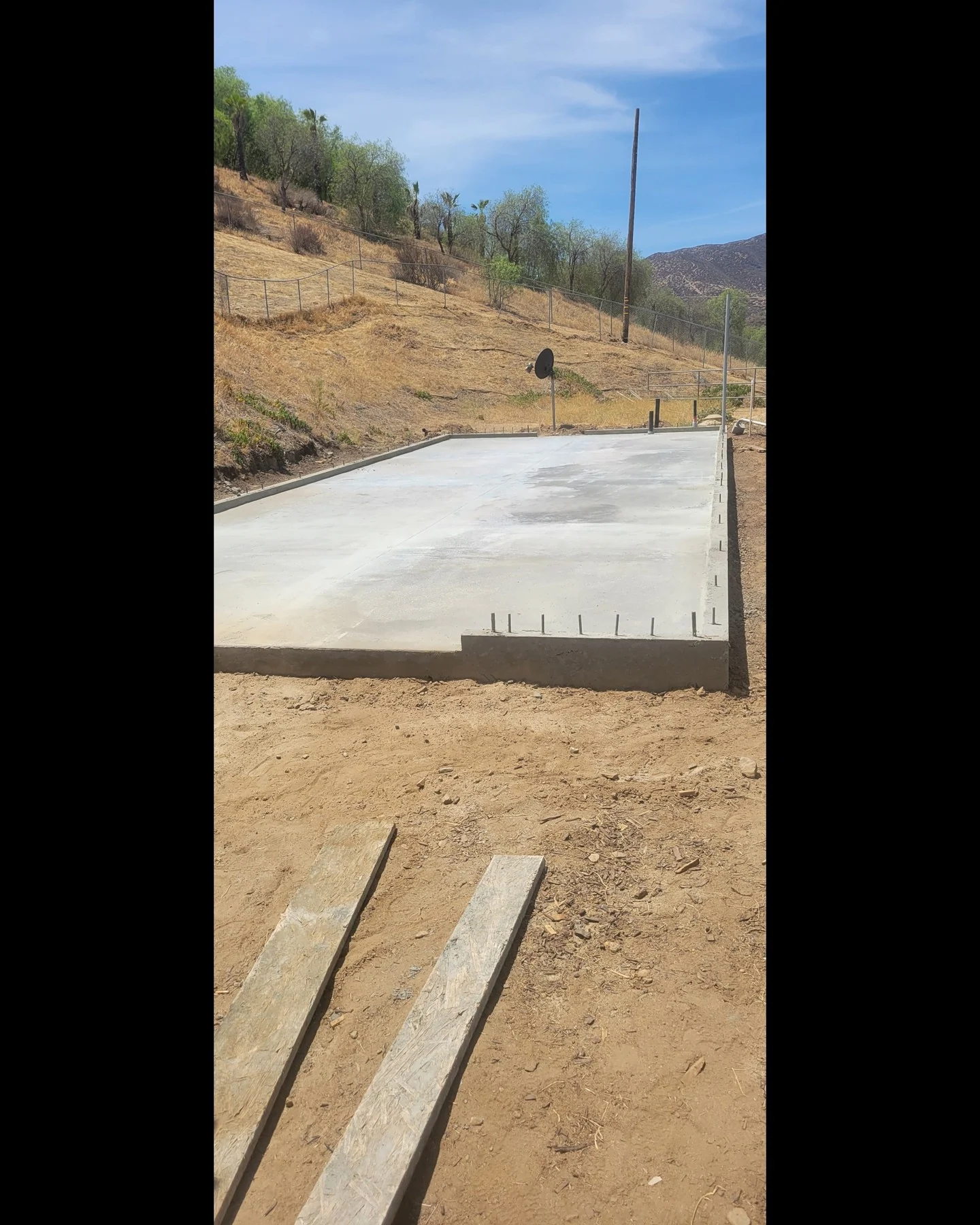
No overselling
Straight scope. A sound slab gets repaired, not replaced, and we will say so.
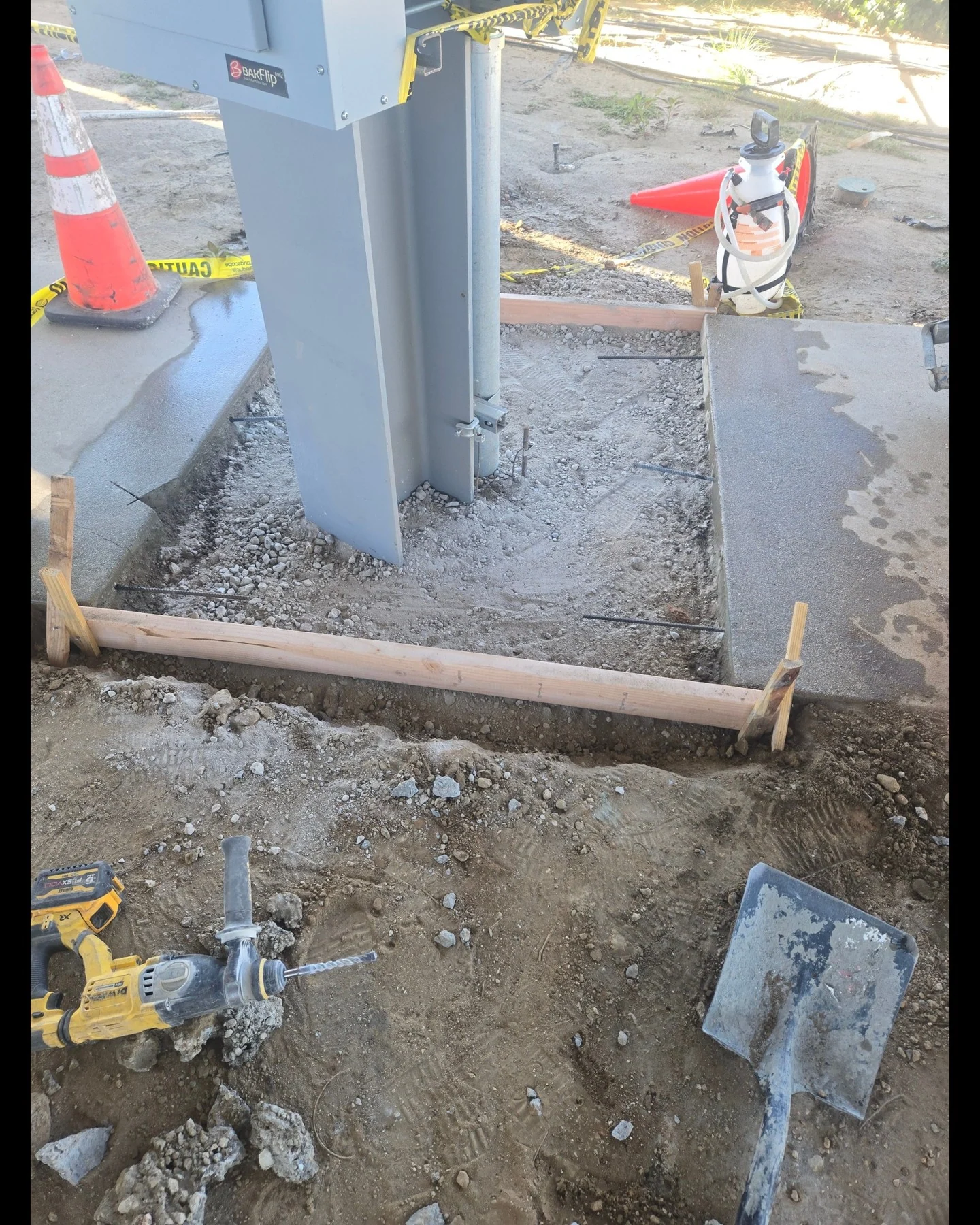
Ground preparation
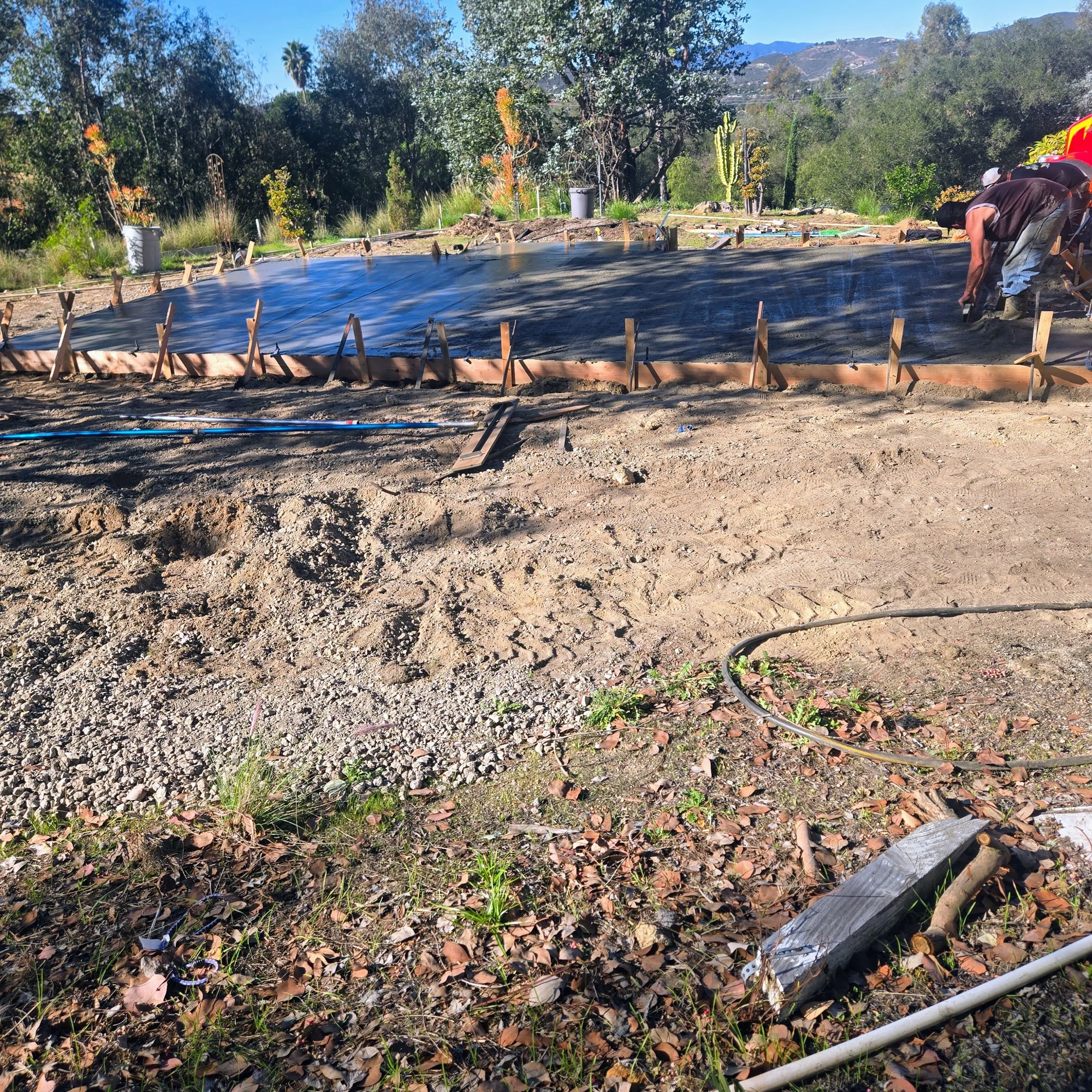
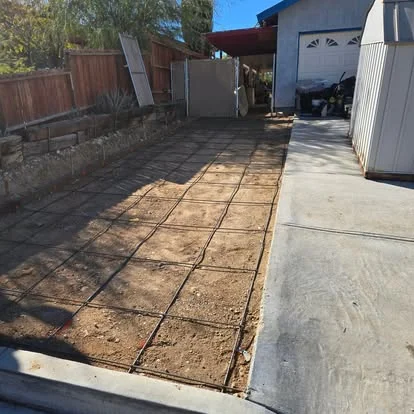
Excavate to grade, remove what will not hold, compact base in lifts.
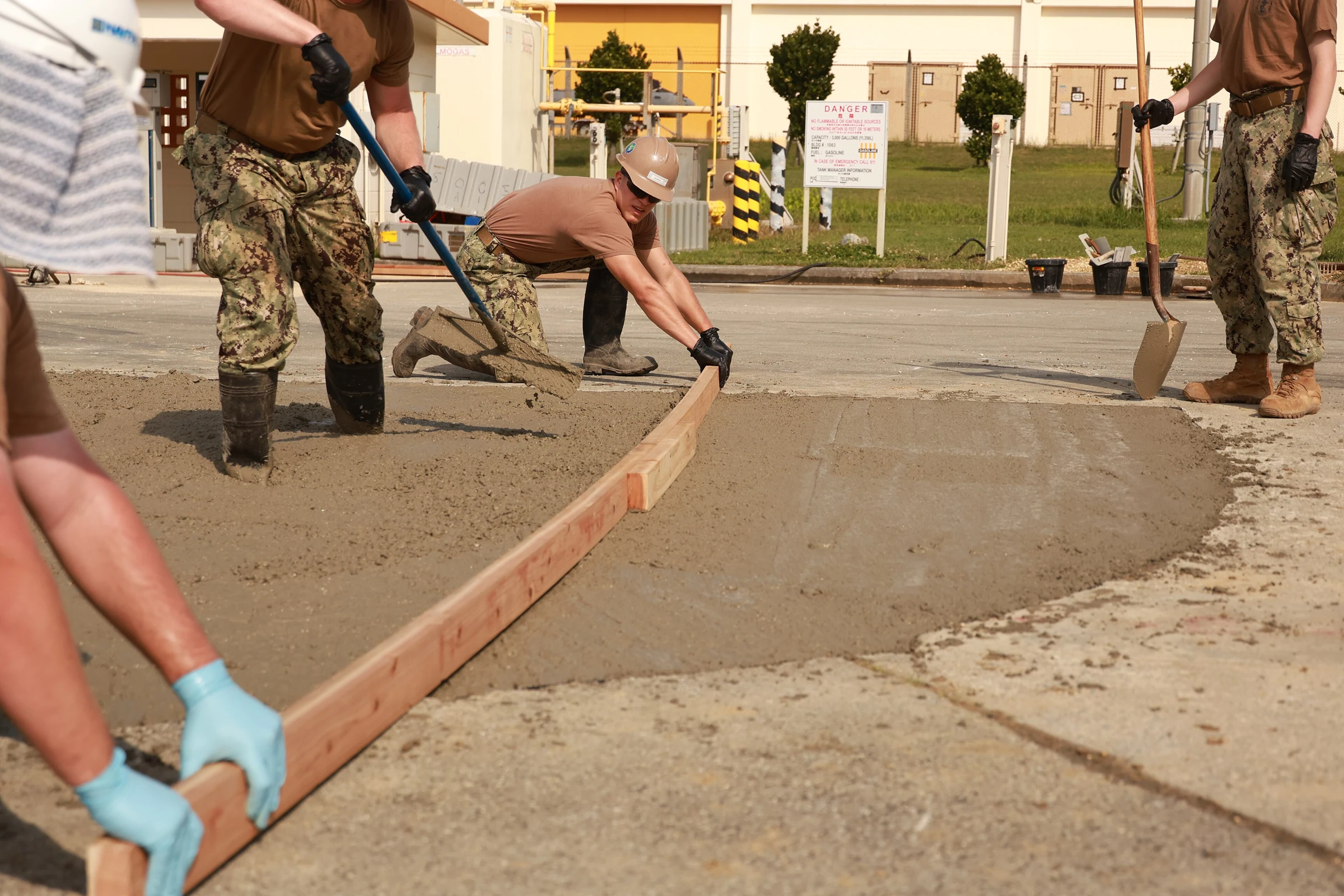
The pour
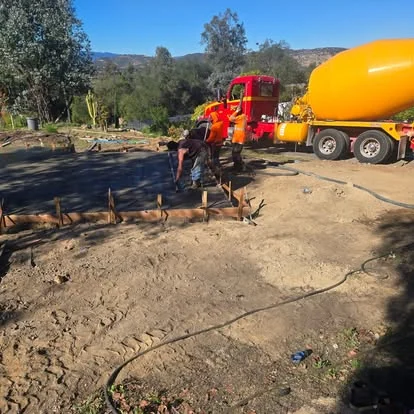
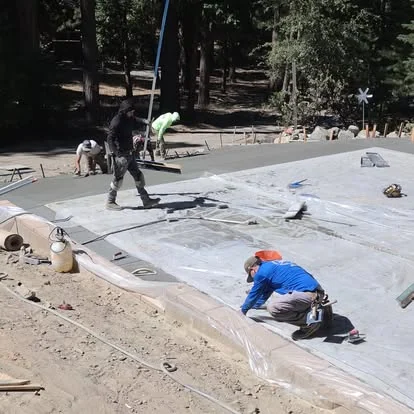
Forms braced for the pressure, steel placed and tied, concrete consolidated and finished on time.
What this job actually needs
Finish is the decision you actually make
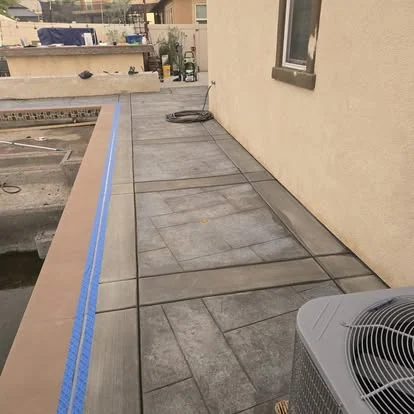
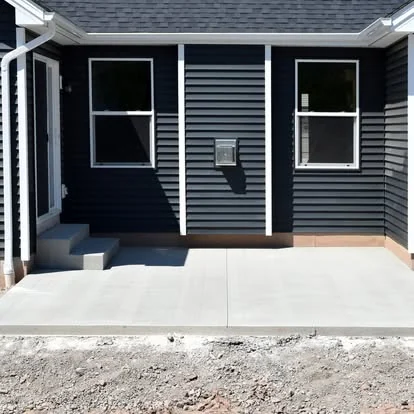
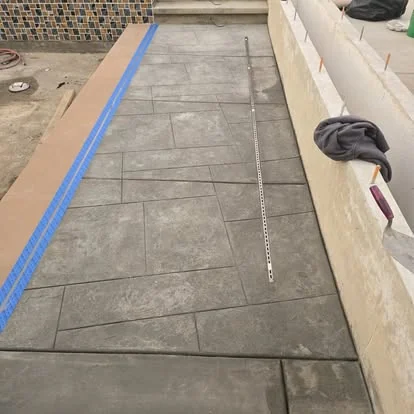
Structurally most patios are the same slab. What you are choosing is the surface: broom for grip and economy, salt finish for a softer pitted texture, exposed aggregate to show the stone and hide wear, stamped or colored where the floor is meant to be looked at. Each behaves differently wet and ages differently.
Where it meets the house
A patio tied hard to the house will crack at that line, because the slab and the building will never move together. It gets isolated on purpose with a joint that lets each do what it wants, and the slope runs away from the foundation rather than along it.
Size it for furniture, not for the drawing
The most common patio complaint is that it is too small once a table and chairs are on it. Before we form it we would rather talk about what is going on it, because adding two feet now is cheap and adding it later is a second pour with a visible joint.
Shade, heat and color choice
A dark slab in full inland sun gets hot enough to be unpleasant barefoot. Around here the color and the finish are a comfort decision as much as an appearance one, particularly on anything adjoining a pool.
What decides whether it lasts
Concrete is judged on the surface and it fails from underneath. The base, the steel, the joints and the cure are the whole job. A slab that was poured on bad ground will tell you so, usually in the third or fourth year.
Why fourth generation matters here
32 years on the tools means most of these problems have already been seen once. Reading a slab before quoting it is the part you cannot learn from a book, and it is the difference between a repair that holds and one that comes back.
What Southern California ground does to concrete patios
Irrigation against the slab
Almost every valley property waters something, and sprinklers running along a slab edge keep the base saturated year round. In expansive soil that is a slow way to undermine your own driveway. Where the water lands is worth looking at before blaming the concrete.
What the ground does here
The inland valleys run on expansive clay. It takes on water and swells, then dries out and shrinks, and it does that cycle every year. A slab poured on untreated clay rides that movement until something gives, which is why base preparation and reinforcement are the design rather than an upgrade. Where a soils report exists we build to it; where there is none, what we find during excavation tells us what the ground is going to do.
Older flatwork around here
A lot of valley concrete was poured thin, with light reinforcement, on a base that was never properly compacted. When it fails it is usually reporting on the ground rather than on the mix, and that is the difference between a repair that holds and one that comes back in a year.
Summer pours
Triple digit afternoons change how concrete behaves. It stiffens before it can be finished properly, the surface skins over while the body underneath is still soft, and water leaves the slab faster than the cement can use it. Valley pours start early, the mix gets adjusted for the heat, and curing is treated as an active step instead of something that happens on its own.
How concrete fails, and why
Settlement at the apron
The strip where a driveway meets a garage takes every vehicle and sits over backfill that was disturbed during construction. It settles more than the rest of the drive and it needs its own thickness and joint.
Heaving
A slab pushed upward is usually roots or expansive soil taking on water. Both get worse with irrigation, and neither is fixed by resurfacing the top.
Pop-outs
Small conical craters come from a particle of reactive aggregate near the surface expanding and blowing the concrete off above it. Cosmetic, and a repairable surface defect.
Dusting
A surface that chalks under a broom was finished or cured badly, or had water worked into it. Sealing helps; grinding and resurfacing fixes it.
How a job runs
What a site visit covers
Soil, slope, drainage, access, existing concrete, and what you actually want the space to do. All of it changes the work.
Ordering the concrete
Mix design comes off the application. Strength, aggregate size and admixtures are decisions, and they are made before the truck is booked.
The honest answer is sometimes the cheaper one.On quoting
Placement and finish
Placed, consolidated, screeded, floated and finished, each at the right moment. That timing is the trade.
Living with it
Keep water moving off it, reseal when it needs it, and keep an eye on the joints. That is most of concrete maintenance.
Other residential work
Concrete Driveways
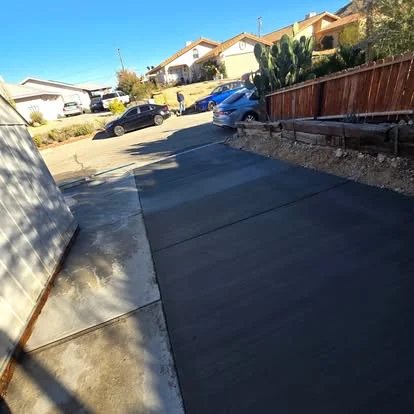
The slab that carries a car every day of its life.
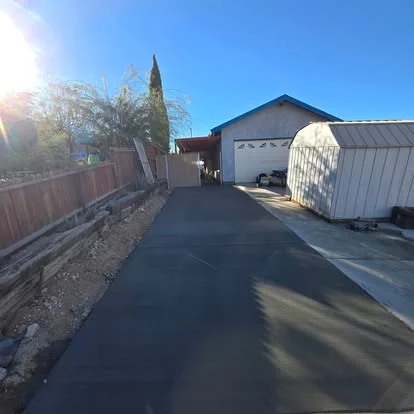
Concrete Driveway Replacement
Out to the dirt, rebuilt from the base up.
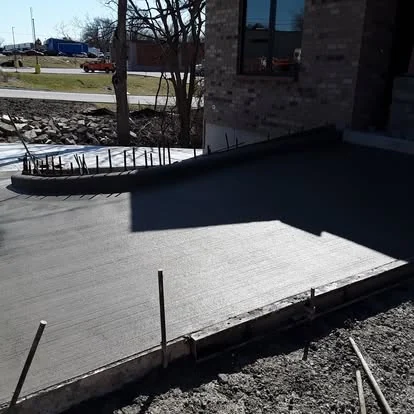
Concrete Driveway Repair
Fix what is broken and leave what is sound.
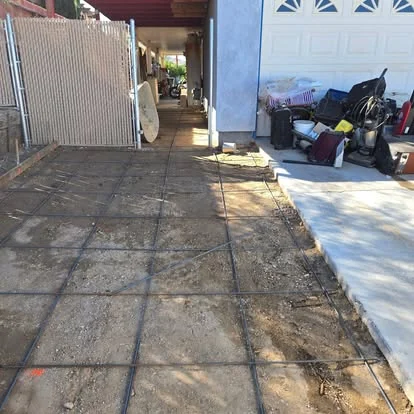
Concrete Patio Replacement
Take out the old slab, pour the one you actually wanted.
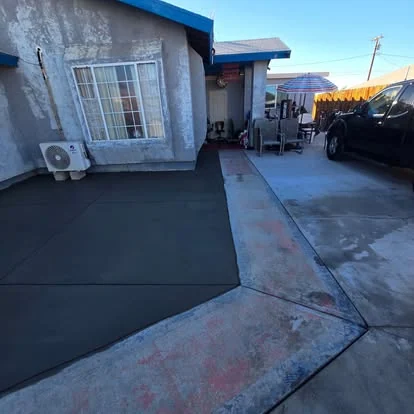
Concrete Patio Repair
Cracks, settled corners, and surfaces that have gone rough.
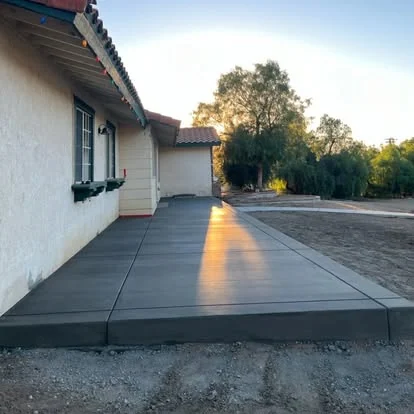
Concrete Walkways
Getting from the street to the door without a trip hazard.
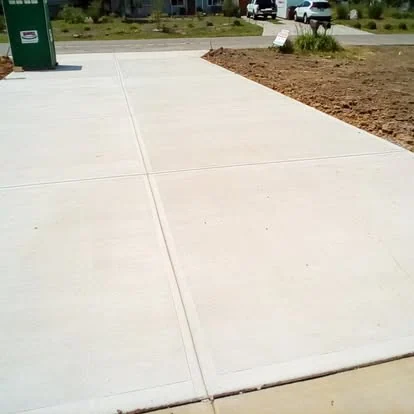
Concrete Sidewalks
Public-facing flatwork built to the spec the city will inspect.
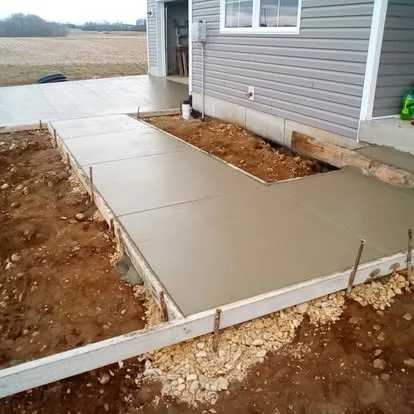
Concrete Sidewalk Repair
Lifted, cracked, or spalled panels made safe again.
Straight answers
How much does concrete cost?
It depends on access, thickness, base condition and finish, which is why we walk the job before giving a number. We will not quote a driveway off a photograph.
How long before I can drive on a new slab?
Concrete takes most of its strength in the first week and keeps gaining for a month. Foot traffic is usually fine after a day or two. Vehicles wait longer, and we will give you the actual number for your pour, because thickness and weather both change it.
Do you fix the base or just pour over it?
We fix the base. Pouring new concrete on ground that already failed once is how you get the same crack in the same place. If the base is the problem, that is the work.
Can you match my existing concrete?
Usually close, rarely exact. Concrete changes color as it ages, so a new pour next to a ten year old slab will read newer for a while. We match thickness, finish and joint pattern so it looks intentional.
Will it crack?
Yes, eventually, and that is the material rather than a defect. The job is deciding where. Control joints put the crack on a line we cut instead of one it picks. A slab with no cracking plan will still crack, just somewhere you did not want.
Tell us what the job is
We walk the job, tell you what it needs, and give you a number. Hemet and roughly 100 miles around it.