

Poured once, done right
La Palma driveways, patios, foundations and repair work. Licensed 1137822, fourth generation, and straight about what a job actually needs.
Talk to us about the job


What concrete is up against around La Palma
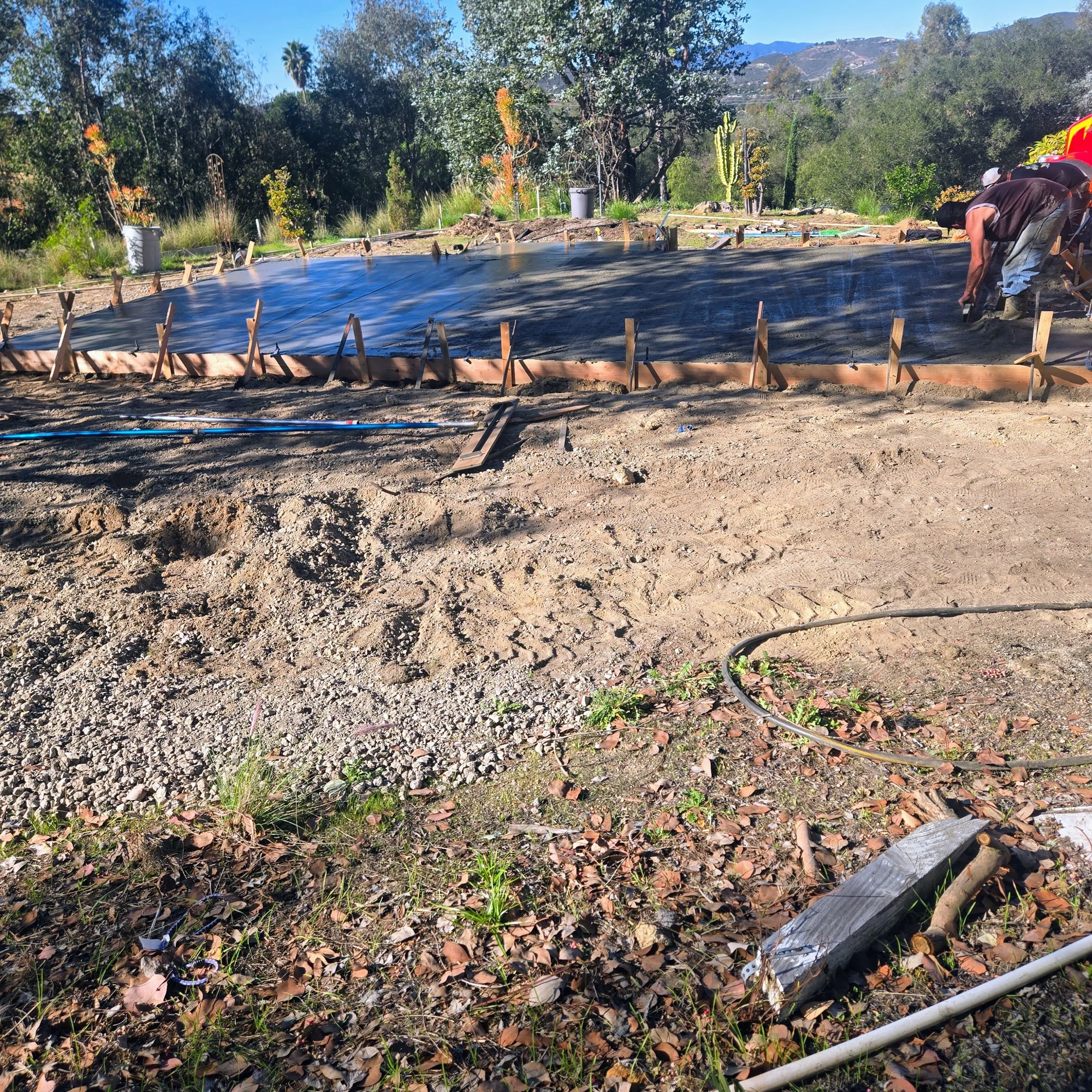
Joints decide where cracks go
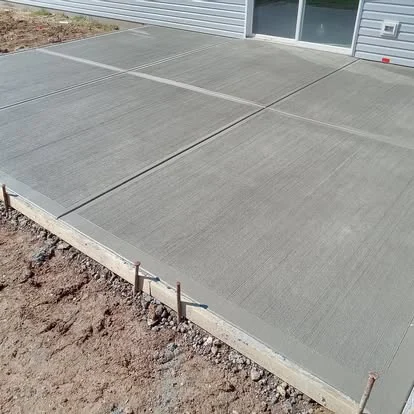
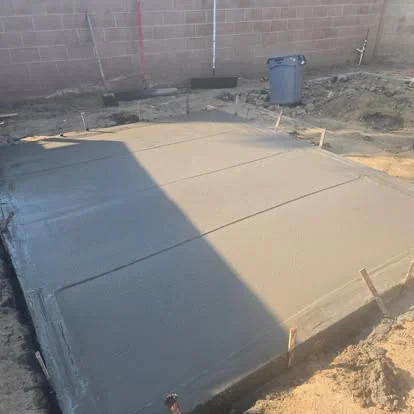
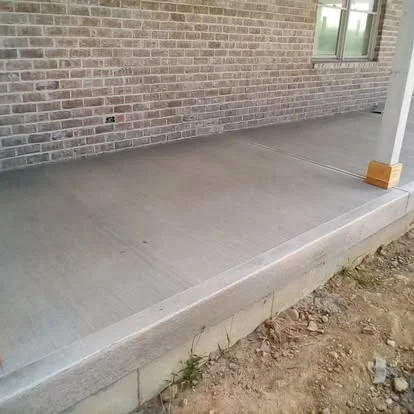
Concrete cracks. That is not a defect, it is the material. A control joint decides where, cut deep enough and early enough to work. Cut it late and the slab has already chosen.
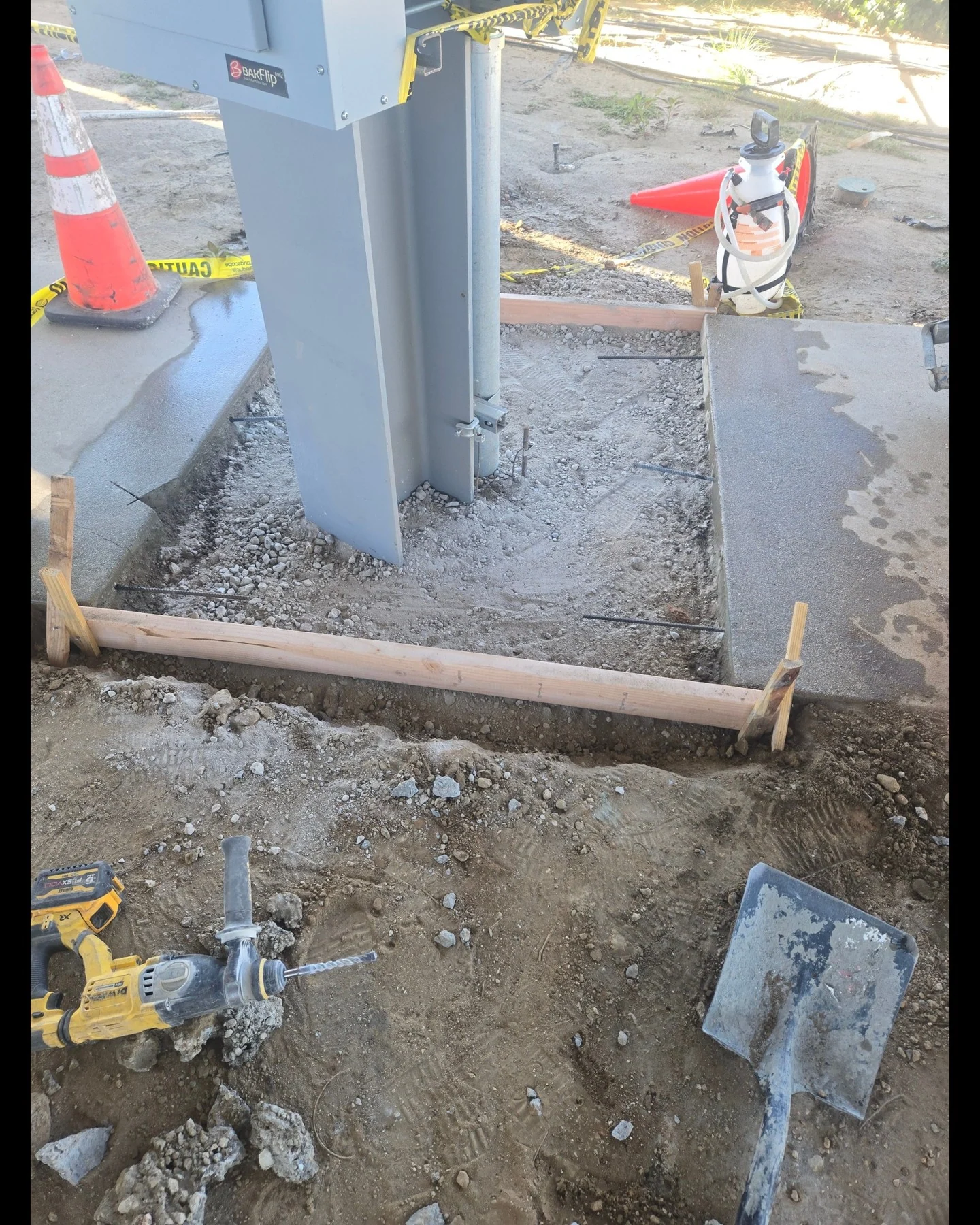
The base is the job
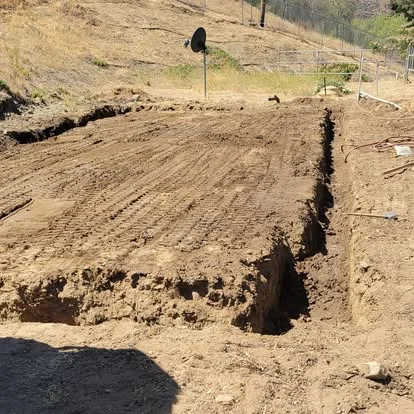
People judge concrete by the surface and it fails from underneath. Grade, material, lift thickness and compaction decide how a slab performs for thirty years. It is invisible when it is right.
Curing in dry heat
Low humidity and wind pull water out of a fresh slab faster than the concrete can use it. That is surface crazing and a weak top layer. Curing is an active step here, not something that just happens.
Cleanup is part of the job
Washout handled properly, spoil hauled, surfaces cleaned. Concrete work is messy while it happens and should be invisible when it is done.
Pours scheduled to the heat
In summer we start early and keep the mix and the crew ahead of the temperature. Concrete does not wait for anybody.
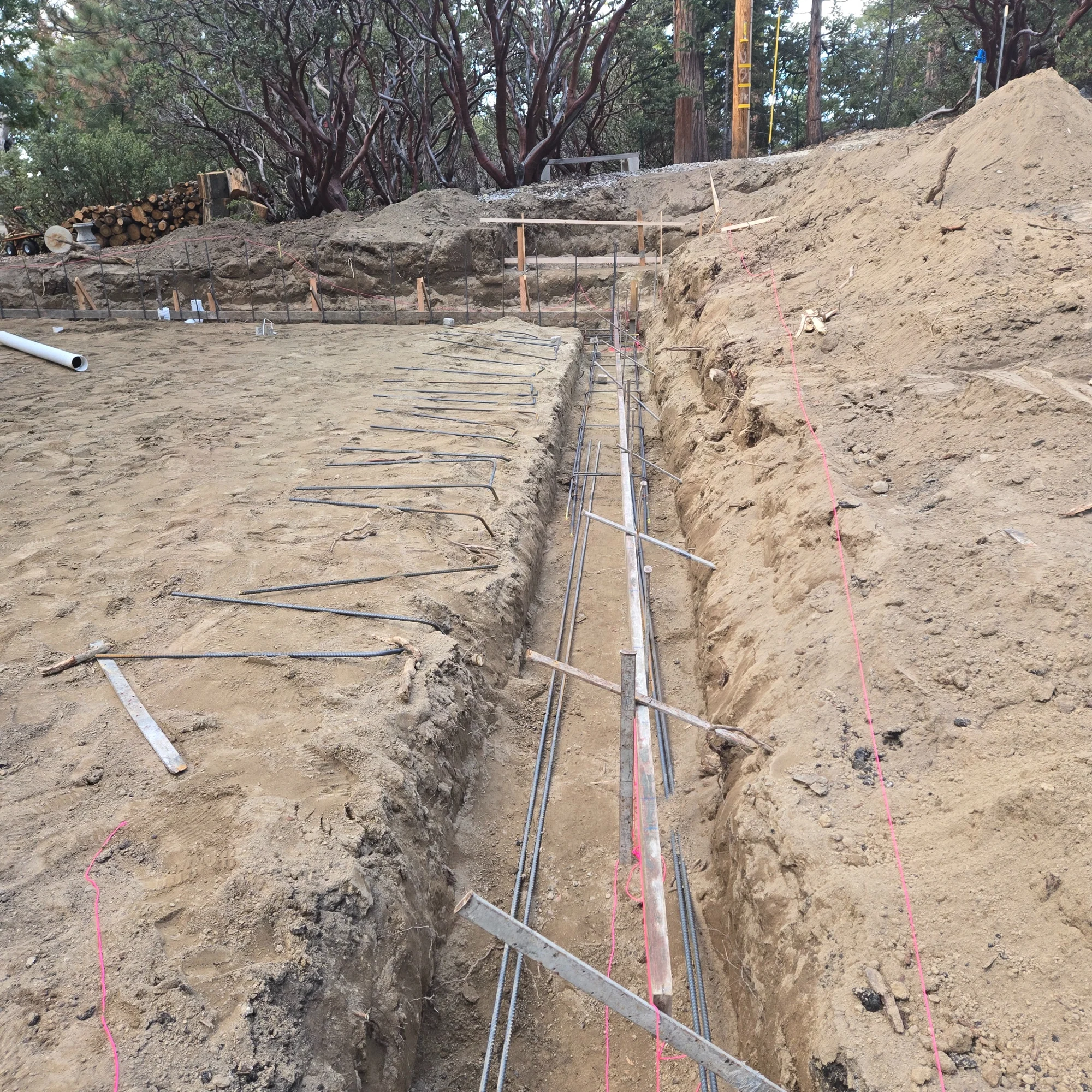
Steel sized to the movement
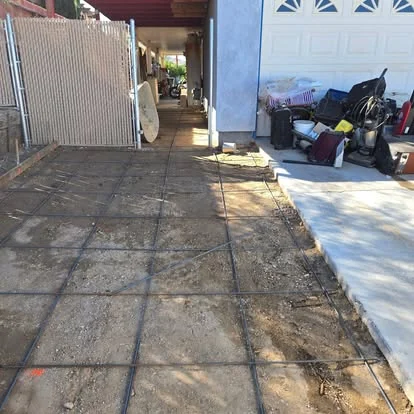
Reinforcement gets placed for what the soil is going to do, on chairs at the right height with real cover. Steel lying on the dirt does nothing at all.
What we build in La Palma
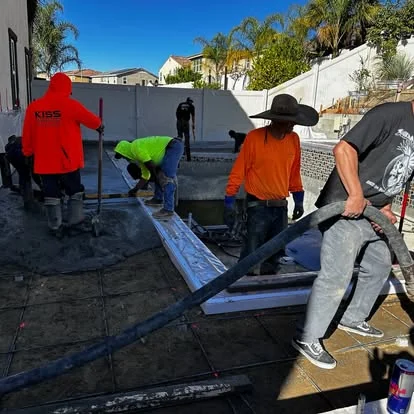
Residential Concrete Flatwork
All the flat concrete around a house, done by one crew.
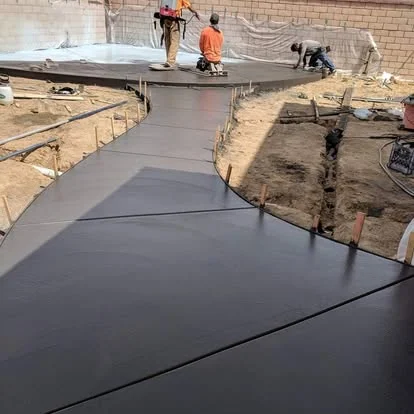
Backyard Concrete
The whole back of the property, planned as one pour.
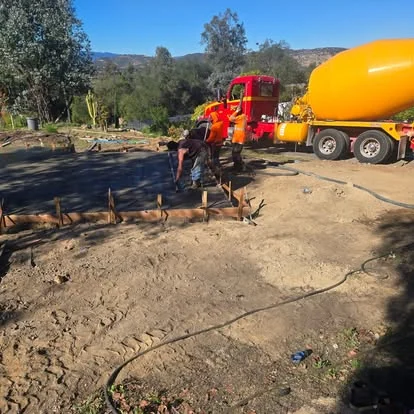
Outdoor Living Concrete
Kitchens, fire features, and seating built on concrete.
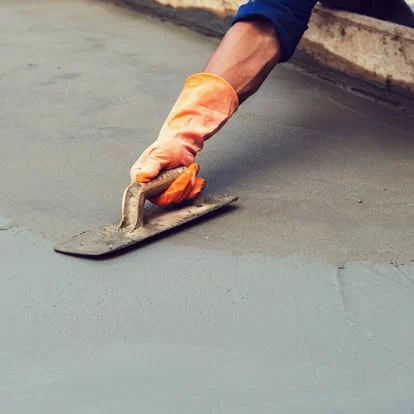
Concrete Driveways
The slab that carries a car every day of its life.

Concrete Driveway Replacement
Out to the dirt, rebuilt from the base up.
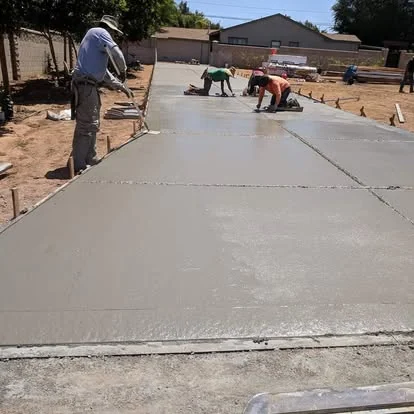
Concrete Driveway Repair
Fix what is broken and leave what is sound.

Concrete Grinding
Taking down high spots and trip lips.
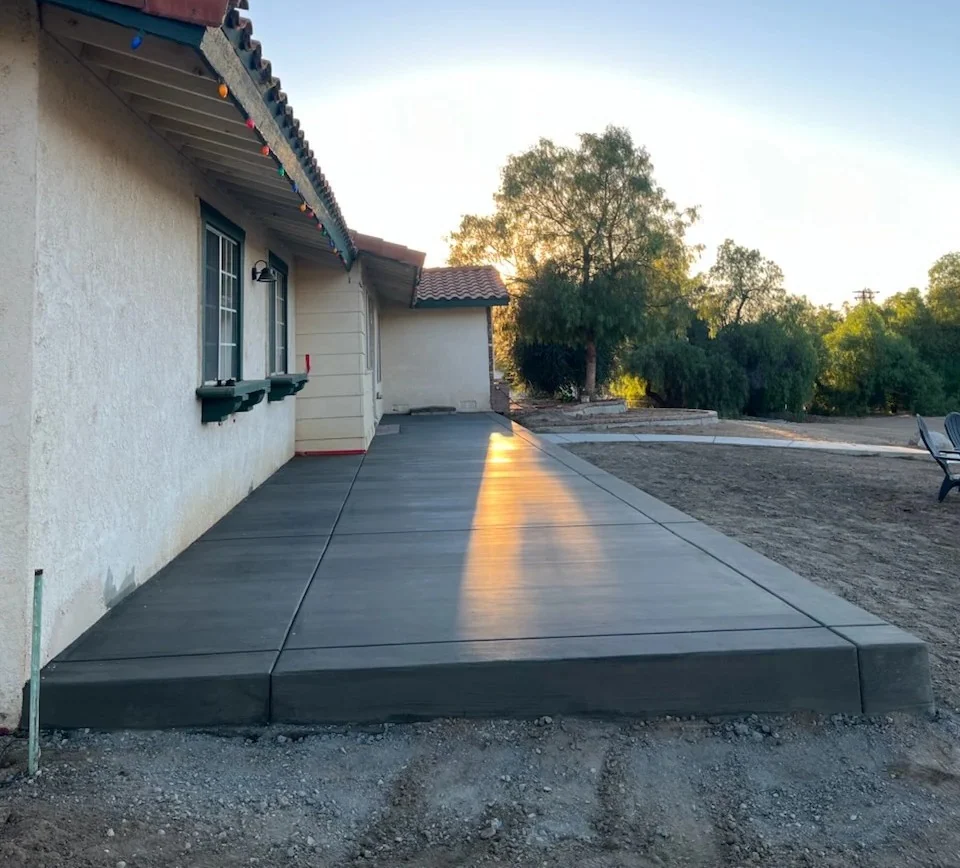
Concrete Sealing
Keeping water out of the pores.
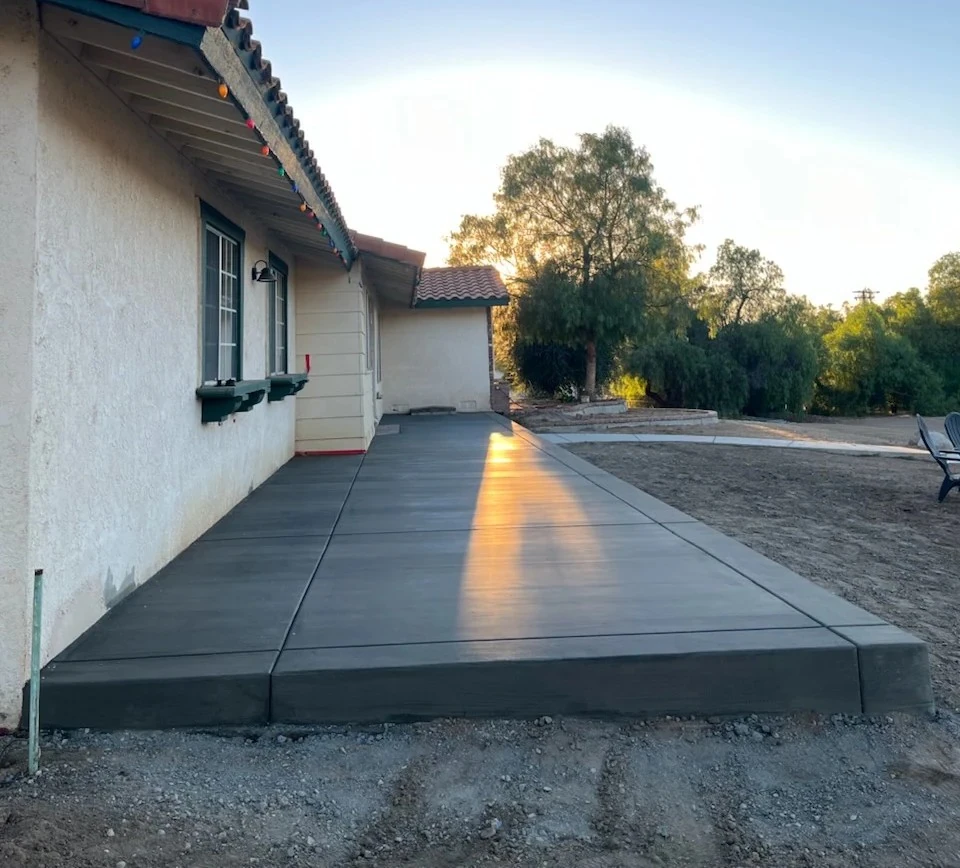
Concrete Replacement
Out with the old slab, in with one built right.
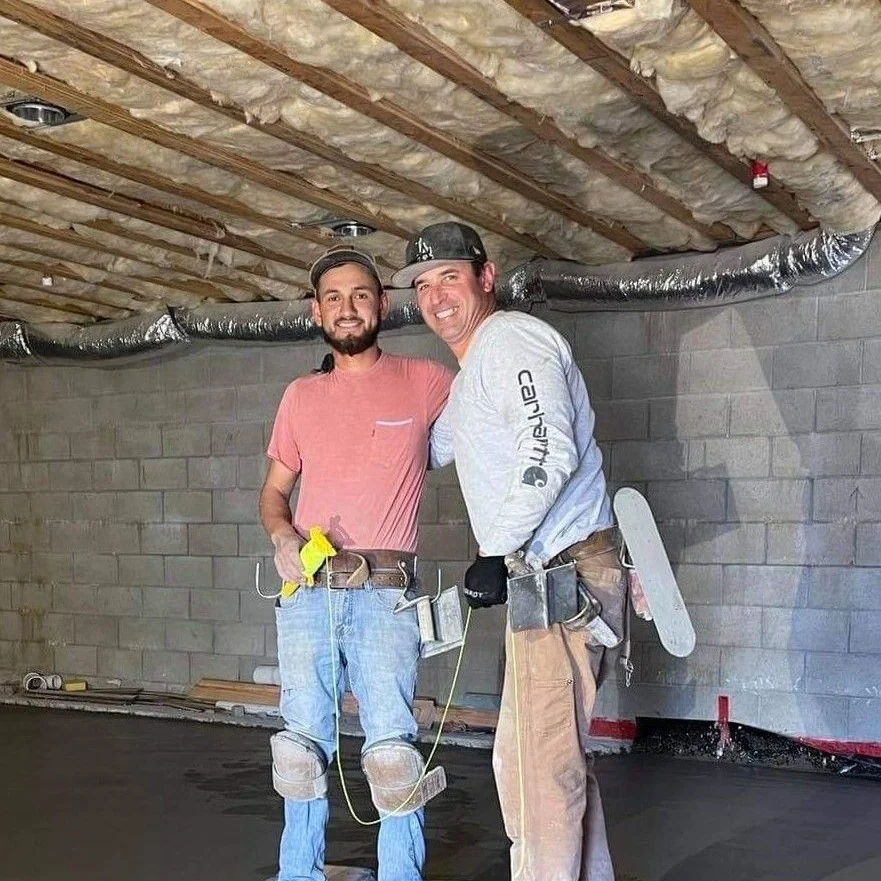
Commercial Concrete Slabs
Slabs sized for racking, equipment, and forklifts.
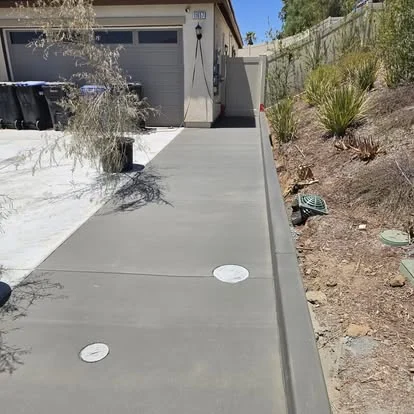
Commercial Concrete Foundations
Footings and stem walls under a commercial structure.
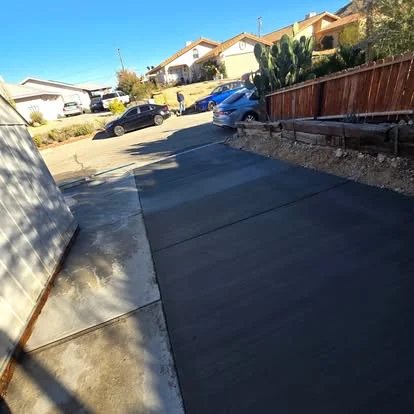
Commercial Sidewalks
Walks that carry public traffic and public liability.
Pouring concrete around La Palma
Summer pours
Triple digit afternoons change how concrete behaves. It stiffens before it can be finished properly, the surface skins over while the body underneath is still soft, and water leaves the slab faster than the cement can use it. Valley pours start early, the mix gets adjusted for the heat, and curing is treated as an active step instead of something that happens on its own.
What lasts here
A properly based, properly jointed slab with reinforcement sized to the load will outlast the house it sits beside. The variables that decide it are all underneath and all invisible once the pour is done, which is exactly why they get cut on cheap jobs.
Irrigation against the slab
Almost every valley property waters something, and sprinklers running along a slab edge keep the base saturated year round. In expansive soil that is a slow way to undermine your own driveway. Where the water lands is worth looking at before blaming the concrete.
What the ground does here
The inland valleys run on expansive clay. It takes on water and swells, then dries out and shrinks, and it does that cycle every year. A slab poured on untreated clay rides that movement until something gives, which is why base preparation and reinforcement are the design rather than an upgrade. Where a soils report exists we build to it; where there is none, what we find during excavation tells us what the ground is going to do.
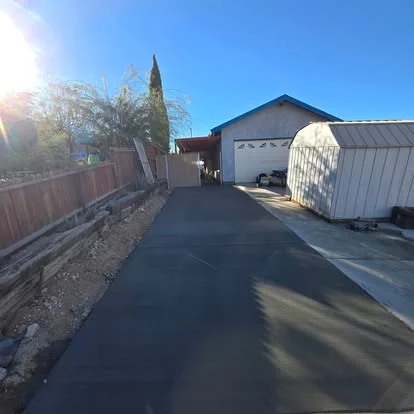
Concrete work around La Palma
Flatwork, foundations and repair across La Palma and the rest of Orange County, poured by the same crew that answers the phone.
How concrete fails, and why
Cracks after a hot pour
Concrete placed into extreme heat stiffens before it can be finished properly and shrinks harder as it cools. Hot weather practice exists for exactly this reason.
Wide joints that collect debris
Joints that were cut too wide or have lost their sealant fill with grit, which then prevents the slab from closing and spalls the joint edges.
A patch that failed
New material on old concrete only holds if the substrate was prepared and a bonding agent used. A patch troweled onto a dusty surface lets go within a season.
Movement at a retaining wall
Retaining walls fail from water pressure behind them more often than from the soil weight. Drainage behind the wall is the design.
How a job runs
Communication
One point of contact, and you hear about anything that changes before it changes. Surprises on a concrete job are almost always avoidable.
Protecting the pour
Fresh concrete gets protected from sun, wind, rain and traffic. Most surface problems that show up later started in the first forty eight hours.
Almost every failure we get called to look at is base, not concrete.On diagnosis
Inspections
Where they apply, they get scheduled into the sequence so the pour is not waiting on a signature.
The finished job
Flat where it should be flat, sloped where it should drain, jointed on a plan, and clean when we leave.
Around La Palma
Straight answers
My sprinklers run along the driveway. Is that a problem?
It can be. Constant water at a slab edge keeps the base saturated, and in expansive soil that undermines the concrete from underneath. Where the water lands is worth looking at before blaming the slab.
Do I need a permit?
Structural work and anything in the public right of way generally does. A straight replacement often does not. We raise it before anything is broken out rather than at inspection.
Can you match the concrete I already have?
Usually close, rarely exact, because concrete changes color as it ages. We match thickness, finish and joint pattern so the result reads as one surface rather than a patch.
How long before I can drive on it?
Concrete takes most of its strength in the first week. Foot traffic is usually fine within a day or two; vehicles wait longer. On a valley summer pour the numbers shift, so you get the real ones for your slab rather than a generic answer.
Should I worry about hairline cracks in the first month?
Usually not. Concrete gives up water as it cures and gets slightly smaller doing it, and fine shrinkage cracking in that window is the material behaving normally. Anything that widens or lifts is different, and worth a call.
Ready to talk about it?
Call the shop. We cover La Palma and the rest of the county from Hemet, and we will come out and read the job before quoting.